
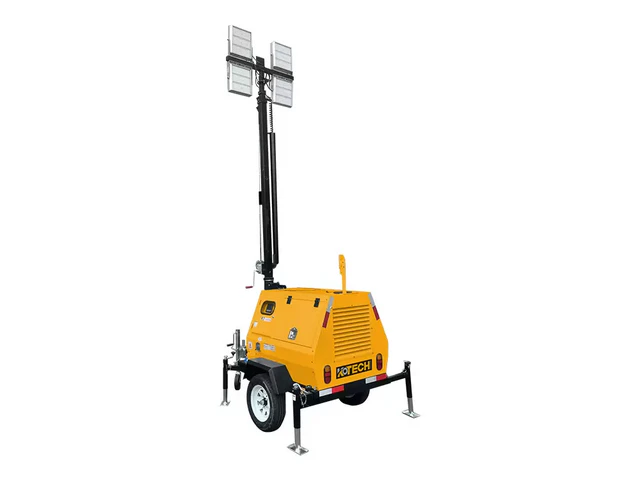
Most off-the-shelf industrial IP65 enclosures fail within 18 months at high elevation mountain mining sites, because they are not calibrated for extreme temperature swings between -10C and 45C that cause seal contraction and gaps. Custom mining-specific IP65 enclosure design eliminates this flaw with targeted material and structural adjustments.
Verified Industry Performance Data
A large portion of that premium comes from frequent seal replacement, winding re-insulation, and premature air end wear that could be avoided with proper ingress protection.
Core Design Logic Tailored for Mountain Mining Conditions
Generic IP65 enclosures use standard EPDM foam gaskets that turn brittle after 120+ freeze-thaw cycles common at high elevation mountain sites. The mining specific design switches to 70 durometer silicone gaskets rated for 3000+ freeze thaw cycles, with a double lip seal structure on all access panels.
All cable entry points use compression gland fittings with 316 stainless steel construction, instead of plastic NPT fittings that crack under constant vibration from nearby drilling and blasting operations. A sloped top surface with 15 degree angle sheds standing water and prevents fine dust accumulation, eliminating the flat panel gaps that let moisture seep in during heavy rain events.
We added a positive pressure filtered vent system that maintains 0.5 mbar of positive internal pressure inside the enclosure, to stop dust from being pulled in through tiny micro gaps when internal air cools down after the compressor shuts down.
This is a small design detail most off the shelf IP65 units skip, and it makes a massive difference in real world dusty site performance.
Critical Boundary Condition and Exclusion
This IP65 enclosure design is optimized for surface mountain mining sites only. It is not suitable for underground gassy mining zones where explosive methane concentrations are present. Those sites require additional IECEx and MSHA intrinsic safety certifications beyond standard IP65 ingress protection ratings.
If you plan to deploy the air compressor unit within 50 meters of active blasting zones with over 10kg of ANFO charge, you also need to add 2mm thick steel blast shield cladding to the outer enclosure layer to prevent flying rock debris from puncturing the seal structure.
Step by Step Deployable Implementation Guide
First, conduct a 72 hour site environmental baseline test before finalizing enclosure dimensions. Record average ambient humidity, maximum recorded dust particle size, and typical diurnal temperature swing to adjust gasket thickness and vent flow rate accordingly.
Second, position all maintenance access panels on the downhill facing side of the mountain installation, so rain and surface runoff naturally flow away from panel seams instead of pooling on top of them. Leave a minimum 60cm clearance on the access panel side, so maintenance crews do not have to climb on top of the enclosure to perform filter changes or oil top ups.
Third, install a external IP67 rated differential pressure sensor that triggers a remote alert to the mine control room if internal and external pressure difference drops below 0.3 mbar. That lets on-site crews fix a seal leak before any dust or water gets inside the compressor core components, eliminating unplanned failure events entirely.




