Designing Resilient & Efficient Mining Air Compressor Systems
The Unseen Costs: Why Integrated Design Matters in Mining
In the mining sector, compressed air is often seen as a utility, a backdrop to the heavy machinery and excavation work. The air compressor system is the lungs of your operation, powering everything from rock drills and pneumatic tools to ventilation and processing plants. Ignoring its comprehensive design leads to staggering hidden costs.
These expenses manifest as excessive energy bills, constant maintenance headaches, and, most critically, costly downtime. Every minute a production line is halted because of an air system failure directly impacts your bottom line. We’re talking about potentially hundreds of thousands of dollars per hour in large-scale operations. An integrated, holistic approach to system design addresses these vulnerabilities head-on, ensuring continuity and efficiency.
Key Industry Trends & Data Shaping Mine Air Systems
The mining landscape is shifting, and so are the demands on compressed air systems. We’re seeing a strong push towards sustainability, digitalization, and remote operation. These aren’t just buzzwords; they’re driving tangible changes in how we design and implement systems.
- Digitalization & Predictive Maintenance: Smart sensors, IoT connectivity, and SCADA (Supervisory Control and Data Acquisition) systems are no longer luxuries. They’re becoming standard. These technologies allow for real-time monitoring of pressure, temperature, flow, and power consumption, enabling predictive maintenance schedules rather than reactive repairs. This proactive approach significantly reduces unplanned downtime, a major pain point.
Components of a Robust Mine Air Compressor System
A “complete set” isn’t just a compressor. It’s an ecosystem. A truly robust system integrates several key components:
Air Compressor Units: The Powerhouse
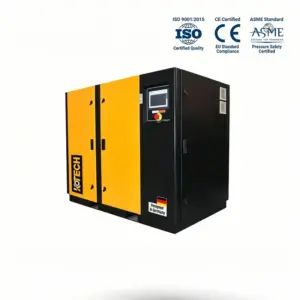
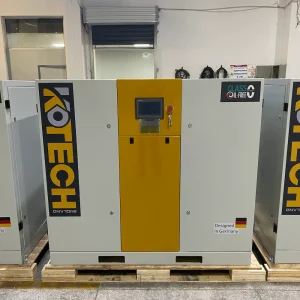
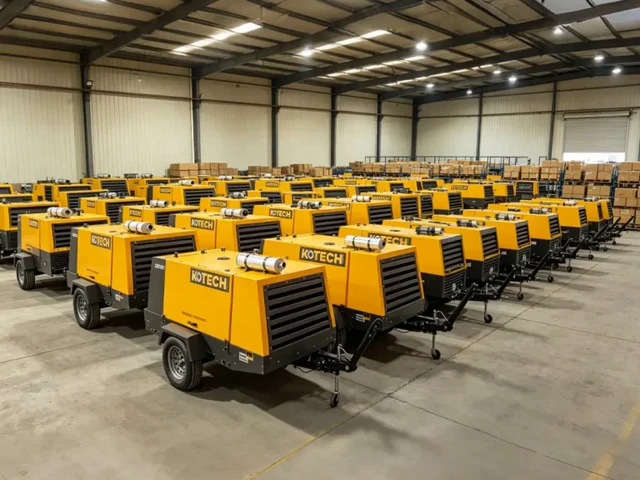
You’ll typically choose between electric and portable diesel air compressor options. Electric units (rotary screw or reciprocating) are ideal for stationary, long-term operations with stable power grids, offering lower emissions and quieter operation. Portable diesel compressors are indispensable for exploration, remote sites, or as backup, providing unparalleled mobility and independence from fixed power sources. Matching the compressor’s Free Air Delivery (FAD) to your peak demand is non-negotiable; undersizing leads to pressure drops and inefficiencies, while oversizing wastes energy.
Air Treatment & Filtration: Quality is Non-Negotiable
Mining environments are inherently dirty, dusty, and often humid. Dirty air isn’t just bad for tools; it’s catastrophic for the compressor itself and downstream equipment. A multi-stage filtration system is essential, including:
- Pre-filters: To remove large particulates.
- Coalescing filters: For oil aerosols and fine particles.
- Particulate filters: For smaller solid contaminants.
- Activated carbon filters: For odor and vapor removal, particularly crucial if air is used for breathing apparatus or sensitive processes.
Additionally, air dryers (refrigerant or desiccant) are vital to achieve the required pressure dew point, preventing condensation that can corrode pneumatic tools, contaminate processes, and freeze in cold conditions.
Air Receivers & Storage: The Buffer Zone
Air receivers (storage tanks) provide a buffer, handling sudden spikes in demand without causing the compressor to cycle excessively. They also help cool the air and drop out some moisture before it reaches the dryer. Proper sizing improves compressor efficiency and extends its lifespan.
Distribution Network: Pipes and Hoses
The piping system (often aluminum, steel, or specialized polymers) must be correctly sized to minimize pressure drop, which directly translates to wasted energy. Secure, durable hoses and quick-connect fittings are crucial for flexible tool connections, especially in dynamic underground or open-pit settings. Regular leak detection and repair programs are absolutely essential.
Portable vs. Stationary: Choosing the Right Setup
The choice between portable diesel air compressor units and stationary electric systems isn’t always straightforward; it largely depends on the mine’s specific operational profile. For exploration drilling, temporary setups, or rapidly advancing mine faces, portable diesel units offer unmatched flexibility. They can be moved quickly, require minimal infrastructure, and are self-contained. However, their fuel costs and emissions are higher.
Stationary electric systems are the preferred choice for long-term, fixed installations, such as processing plants, main workshops, or deep underground operations where power is readily available. They boast lower operating costs, reduced noise, and zero point-of-use emissions. The decision often boils down to a blend of both: a stationary primary system complemented by portable units for auxiliary or remote needs. This hybrid approach offers the best of both worlds, maximizing efficiency where possible while maintaining operational agility.
Implementing Digitalization and Predictive Maintenance
Modern mining demands more than just reliable hardware; it requires intelligent management. Integrating SCADA systems with your mining air compressor system allows for centralized control and monitoring. This means operators can adjust pressure settings, monitor power consumption, and receive alerts from a central control room, even for remote sites. Predictive maintenance, driven by data analytics, moves you beyond scheduled servicing to condition-based maintenance. Sensors track vibration, temperature, and pressure fluctuations, signaling potential issues before they escalate into costly failures.
Navigating Regulatory Compliance and Environmental Impact
Environmental regulations are tightening globally, and mining operations are under increasing scrutiny. Your complete set mining air compressor system design must factor in emissions standards for diesel units, noise pollution limits, and waste management protocols for lubricants and consumables. Opting for Tier 4 Final compliant diesel engines or electric compressors can significantly mitigate environmental impact and ensure long-term regulatory compliance. Furthermore, robust safety features—emergency stop buttons, pressure relief valves, and secure guarding—are non-negotiable for protecting personnel and meeting occupational safety standards.
Beyond the Compressor: Ancillary Systems and Safety
A truly complete system extends beyond the air generation and treatment. Consider:
- Ventilation Systems: Especially in underground mines, ensuring adequate ventilation for compressor rooms prevents overheating and extends equipment life.
- Cooling Systems: Aftercoolers are essential for removing heat from compressed air, improving dryer efficiency and preventing downstream equipment damage.
- Condensate Management: Proper condensate drains and oil-water separators are crucial for environmental compliance, preventing contaminated water from entering the ecosystem.
- Safety Interlocks: Implementing safety interlocks that prevent machinery operation if air pressure is insufficient can avert accidents and equipment damage.
These ancillary systems might seem minor, but their absence can compromise the entire operation.
The ROI of a Well-Designed System
The return on investment for a meticulously designed complete set mining air compressor system is multifaceted. It’s not just about the initial purchase price, but the total lifecycle cost (TLC). A well-engineered system delivers:
- Reduced Energy Consumption: Lower operating expenses through VSD technology, optimized pressure, and minimal leakage.
- Maximized Uptime: Fewer breakdowns mean continuous production and higher output.
- Extended Equipment Lifespan: Proper air treatment and maintenance practices prevent premature wear.
- Enhanced Safety: Compliance and robust design protect personnel and prevent costly incidents.
Investing in a comprehensive design upfront might seem like a heavier initial lift, but the long-term savings and operational stability far outweigh that early cost. Think of it as an insurance policy for your mine’s productivity.