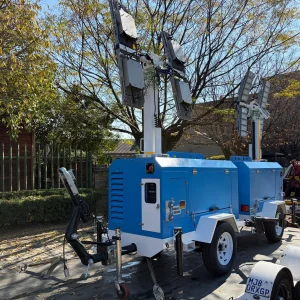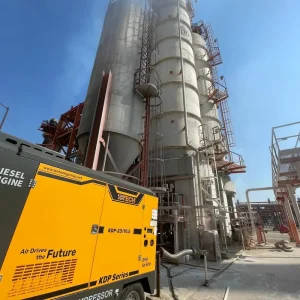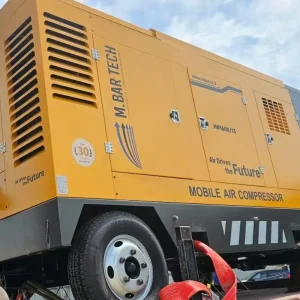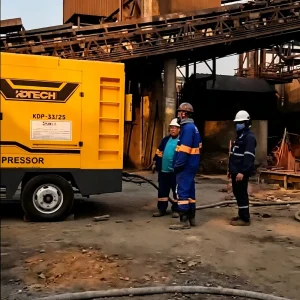

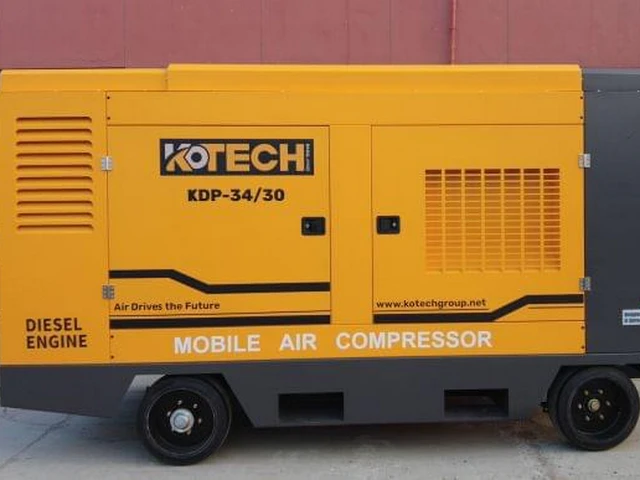
Optimizing mining air compressor implementations is no longer optional; it's a strategic imperative for operational resilience and profitability. The right compressed air systems deliver significant energy savings, enhance uptime, and navigate extreme conditions. Energy Efficiency is Paramount: Advanced VSD and permanent magnet motor compressors slash operating costs significantly. Uptime is Non-Negotiable: Remote monitoring and predictive maintenance prevent costly downtime in harsh environments. Tailored Solutions Win: Generic systems fail; customized, robust designs are essential for specific mine challenges. ESG Compliance Matters: Modern compressor technologies support sustainable mining practices and lower carbon footprints.
Unlocking Mine Efficiency with Advanced Air Compressors
Key Takeaways
- Mining air compressor optimization is critical for operational efficiency and profitability.
- Energy costs (up to 40% of op-ex) and downtime ($22K/min) are major pain points addressed by advanced systems.
- VSD compressors offer 35%+ energy savings, aligning with ESG objectives.
- Remote monitoring enables predictive maintenance, preventing costly unplanned outages.
- Customized, robust designs are essential for harsh mining environments.
- Small-scale or temporary operations may find complex systems cost-prohibitive.
- Actionable steps include air audits, VSD adoption, remote monitoring, robust designs, and strategic supplier partnerships.
Related: Industrial air compressors for mining · mine operations efficiency · compressed air systems reliability · energy-efficient mining solutions · predictive maintenance in mining · remote monitoring air compressors · sustainable mining practices · total cost of ownership mining equipment.
The Imperative for Optimized Air Compression in Mining
In the demanding world of resource extraction, reliable air compression isn’t just a utility; it’s the heartbeat of operations. From powering pneumatic tools deep underground to critical ventilation and process air, effective mining air compressor implementations are directly tied to productivity and safety. Frankly, any system that isn’t optimized for the unique rigors of a mine site is a ticking time bomb for operational headaches and financial drain. The global landscape of mining demands robust, energy-efficient, and intelligently managed compressed air solutions. We’re talking about systems that can withstand extreme dust, temperature fluctuations, and remote locations while delivering consistent performance.
Quantifying the Impact: Data Driving Strategic Choices
The economic realities of the mining sector underscore the urgent need for top-tier compressed air systems. The global mining market, for instance, was valued at approximately USD 1.84 trillion in 2023, with projections indicating a compound annual growth rate (CAGR) of 4.5% through 2030 (Grand View Research, 2024). This consistent growth fuels demand for more efficient infrastructure. But here’s the kicker: energy consumption can account for up to 40% of operating costs in some mining operations (International Energy Agency (IEA), 2023). That’s a massive chunk of overhead. Moreover, unplanned downtime in industrial settings, including mining, can cost an eye-watering $22,000 per minute (Deloitte, 2022). These numbers aren’t just statistics; they’re direct impacts on a mine’s bottom line. Investing in advanced industrial air compressors for mining isn’t merely an upgrade; it’s a strategic move to mitigate significant financial risks and improve overall profitability.
Beyond the Numbers: Why Advanced Systems Deliver Value
The reasoning behind adopting advanced compressed air systems extends far beyond simple cost-cutting. Modern mine operations efficiency relies on a holistic approach to equipment management. The latest variable speed drive (VSD) compressors, for example, can reduce energy consumption by 35% or more compared to fixed-speed models, a fact widely acknowledged by bodies like the U.S. Department of Energy. This isn’t just about saving electricity; it’s about reducing carbon footprints and aligning with increasingly stringent environmental, social, and governance (ESG) mandates.
Furthermore, intelligent control systems and remote monitoring capabilities are game-changers. These technologies provide real-time performance data, allowing for predictive maintenance rather than reactive repairs. Imagine knowing a compressor is trending towards a fault weeks before it fails. That’s the power of data-driven insights. It minimizes unscheduled shutdowns, extends equipment lifespan, and optimizes maintenance schedules, directly addressing the pain point of costly downtime. Robust designs, often featuring heavy-duty filters and enclosures, are also crucial for longevity in harsh mining environments, preventing premature wear and tear from dust and debris.
When Standard Solutions Fall Short: Recognizing Limitations
While the benefits of advanced air compressor technology are clear, it’s vital to acknowledge that not every solution fits every scenario. A high-tech, fully integrated system might not be the optimal choice for a small-scale, short-term exploration site with minimal power infrastructure, for example. In such cases, the upfront capital expenditure and complexity of a sophisticated system could outweigh the operational benefits. Similarly, implementing complex predictive maintenance protocols only makes sense when the necessary skilled personnel and connectivity infrastructure are in place. Without adequate training or reliable internet access in remote locations, sophisticated remote monitoring becomes a fancy but ineffective gadget. This is where a deep understanding of the specific mine’s operational scale, lifespan, and existing infrastructure becomes critical. Generic “off-the-shelf” solutions often fail to account for these nuances, leading to suboptimal performance and unexpected costs.
Actionable Strategies for Modern Mine Air Systems
Implementing a successful compressed air strategy requires a multi-faceted approach. Based on our experience, here are some actionable steps:
Conduct a Comprehensive Air Audit
Before any investment, get a professional audit of your existing compressed air system. This identifies leaks, inefficiencies, and oversizing issues. It’s often the quickest way to find immediate savings. This audit should cover everything from demand-side management to air quality needs.
Prioritize Energy-Efficient Technologies
Focus on VSD compressors, permanent magnet motor technology, and intelligent control systems. These offer the best return on investment through reduced energy consumption, a critical factor given rising power costs. Look for systems designed specifically for heavy-duty industrial use, not just general manufacturing.
Embrace Remote Monitoring and Predictive Maintenance
Integrate IoT-enabled sensors and software for real-time data collection. This allows for proactive maintenance scheduling, minimizing unexpected failures and maximizing equipment uptime. It also helps optimize system performance by identifying trends and potential bottlenecks.
Opt for Robust and Modular Designs
Given the harsh mining environment, select compressors built for durability. Consider modular systems that offer flexibility for expansion or relocation, especially for mines with evolving layouts or temporary operational areas. This can significantly reduce installation time and complexity.
Partner with Experienced Suppliers
Work with manufacturers and distributors who understand the mining sector’s unique demands. They can offer tailored solutions, local support, and critical spare parts availability, which is invaluable for remote operations. A strong partnership can mean the difference between seamless operation and constant headaches.
Expert Insights
From where I stand, after years in this field, the mining sector's embrace of intelligent compressed air solutions isn't just a trend; it's a fundamental shift towards sustainable and resilient operations. What we're seeing now—the integration of IoT, AI-driven diagnostics, and highly efficient VSD units—is redefining what "reliable" even means in a mine. It’s about being proactive, not reactive, and that's where the real savings and safety improvements come from.
Further Reading
- Portable Diesel Air Compressors for Off-Grid Mining & Drilling
- Compressed Air Solutions for Oil & Gas Mining & Refining
- Industrial Compressor Case Studies for Global Mining Sites
- Mining Air Compressor Projects | International Case Studies
- Mining Air Compressor Implementations, Global Success Stories – Industrial Compres
- Case Studies: Air Compressors in Global Mining Operations
- Global Mining Air Compressor Success Stories & Applications
- Industrial Air Compressor Case Studies for Mining Operations
Related Reading: Compact Portable Diesel Air Compressors for Global Mining Sites
Related Applied Cases