

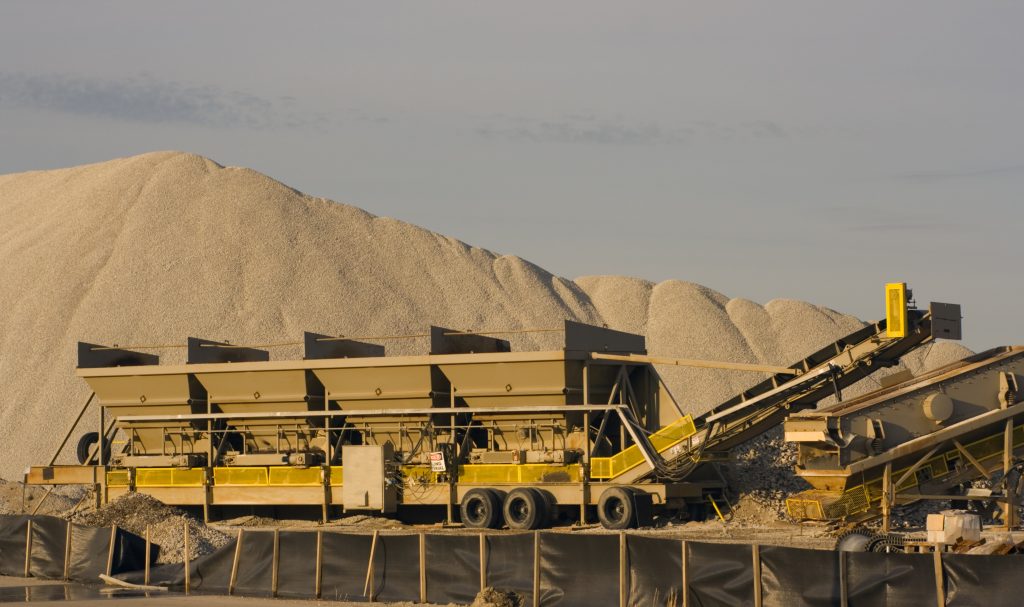
This guide explores diesel air compressors for automotive painting, covering their mechanics, advantages over electric/gas alternatives, implementation steps, and common pitfalls. It helps mobile painters achieve flawless finishes with reliable, off-grid air power.
Diesel Air Compressors for Automotive Painting
Related: portable diesel air compressor for auto painting · mobile automotive paint sprayer power · diesel-powered air compressor for HVLP guns · off-grid air supply for car painting · trailer-mounted diesel compressor for paint jobs · industrial-grade air compressor for auto refinishing
Diesel air compressors for automotive painting are robust, self-contained units that integrate a diesel engine with an air compressor, specifically engineered to deliver consistent, high-volume compressed air essential for professional-grade paint application. This specialized equipment resolves the critical challenge of executing high-quality automotive paint jobs in locations devoid of conventional power infrastructure. Their significance in the automotive repair and customization industry cannot be overstated, particularly for mobile workshops, fleet maintenance, and remote restoration projects where access to reliable electricity is either limited or non-existent. These powerful machines provide the autonomy and performance previously confined to fixed-location paint booths. The primary problem these compressors solve is the inherent constraint of electric compressors that require a grid connection or a separate, often undersized, generator, hindering the flexibility and efficiency of mobile automotive painting operations. By combining power generation and air compression into one portable unit, they empower technicians to achieve factory-level finishes anywhere, anytime.
The Mechanics of Diesel Air Compression for Automotive Painting
Based on structural analysis, a diesel air compressor for automotive painting functions by utilizing the kinetic energy from its internal combustion diesel engine to drive a robust air-end, typically a rotary screw or piston type, which then compresses atmospheric air. This process involves drawing air into an intake filter, compressing it, and subsequently directing it to an air receiver tank for storage and pressure stabilization.
From a framework perspective, key components include the high-efficiency diesel engine itself, which provides reliable and sustained power; the compressor air-end, designed for continuous duty and high CFM output; an advanced air filtration system that removes particulates and moisture crucial for paint quality; and a large capacity fuel tank enabling extended operation without frequent refueling. These elements are often mounted on a durable, often trailer-mounted, chassis for optimal portability.
The compressed air then passes through an aftercooler, which reduces its temperature, and subsequently through moisture separators and coalescing filters. This multi-stage conditioning ensures the air delivered to the spray gun is dry, oil-free, and particulate-free, preventing common paint defects like fisheyes or blushing, which are critical considerations for achieving a flawless automotive finish.
Advantages of Diesel Air Compressors in Mobile Automotive Paint Applications
The primary advantages of utilizing a diesel air compressor for automotive painting include unparalleled portability, an independent power supply, robust performance in varied environmental conditions, and a consistent, high-volume air output crucial for achieving superior quality finishes. Their self-contained nature eliminates reliance on external power grids, a significant benefit for on-site services.
These units offer exceptional durability and extended runtimes, making them ideal for prolonged painting projects without interruptions. Unlike smaller electric or gasoline units, diesel compressors are engineered for continuous, heavy-duty operation, providing the stable air pressure and volume required by professional HVLP (High Volume Low Pressure) spray guns to lay down even coats of paint.
Furthermore, the fuel efficiency of modern diesel engines, especially under load, often translates to lower operating costs over long periods compared to running a generator for an equivalent electric compressor. This combination of power, endurance, and operational independence empowers mobile automotive painters to deliver consistent, high-standard work regardless of location.
Implementing a Diesel Air Compressor for Optimal Paint Application
Optimal implementation of a diesel air compressor for automotive painting involves a structured approach encompassing thorough site assessment, precise equipment selection, proper setup, and meticulous ongoing maintenance to ensure peak performance and achieve a flawless finish. The initial step, therefore, is to accurately calculate the CFM and PSI requirements of the specific spray guns and pneumatic tools intended for use.
In practical application, selecting the right compressor requires matching its CFM output to the collective air demand of your tools, ensuring the compressor’s continuous output exceeds the total demand by at least 20-30% to prevent burnout and ensure consistent pressure. Additionally, consider the tank size for buffering air supply and the overall portability features like wheel kits or trailer mounts for ease of transport.
Upon deployment, proper setup is paramount, involving ensuring adequate ventilation to dissipate exhaust fumes, stable placement on level ground, and secure hose connections with minimal bends to prevent pressure drops. Crucial pre-painting checks include draining the air tank of any accumulated moisture, inspecting air filters, and setting the regulator to the precise pressure recommended for the paint material and spray gun being utilized. Regular post-use maintenance, such as fuel filter checks and oil changes, extends the compressor’s lifespan and maintains air quality.
Comparative Analysis: Diesel vs. Electric vs. Gasoline Air Compressors
A comparative analysis of air compressor types reveals that while electric compressors offer quiet operation and gasoline models provide basic portability, diesel air compressors for automotive painting stand out for their robust power, extended runtimes, and superior performance in demanding, often off-grid, painting environments, aligning with distinct operational needs.
From a complexity and efficiency standpoint, diesel compressors represent a moderate complexity due to their engine and compression unit but offer high fuel efficiency for prolonged, heavy-duty use. Electric compressors are simpler and highly efficient in fixed locations with reliable power, while gasoline compressors are also moderately complex but often less fuel-efficient for continuous high-demand tasks, resulting in higher operational costs.
Regarding cost and frequency of application, diesel compressors typically have a higher initial investment but prove more cost-effective for extensive mobile or remote operations due to their endurance and independence from grid power. Electric compressors boast lower initial costs and are ideal for frequent shop use. Gasoline models offer a balance for medium-duty mobile tasks but may lack the sustained power and fuel economy of their diesel counterparts for professional painting applications.
Navigating Common Pitfalls and Ensuring Quality Finishes
Avoiding common pitfalls when utilizing diesel air compressors for automotive painting, such as inadequate air filtration and improper pressure settings, is absolutely critical for achieving professional, defect-free paint applications and maximizing equipment longevity. One frequent mistake is neglecting the air quality output.
A significant pitfall is inadequate air filtration and moisture removal, leading to water or oil contaminants in the paint, causing fisheyes, blistering, or poor adhesion. The solution involves implementing multi-stage filtration systems including an air dryer (refrigerated or desiccant), coalescing filters, and regular draining of the air tank and water traps. Consistent maintenance of these components is non-negotiable for pristine air.
Another common issue is operating with incorrect pressure and CFM settings, which can result in inconsistent spray patterns, orange peel texture, or excessive overspray, compromising the finish. Professional advice mandates calibrating the air pressure precisely to the paint manufacturer’s specifications and the specific spray gun being used, ensuring the compressor’s continuous CFM output comfortably exceeds the spray gun’s requirements. Furthermore, neglecting proper ventilation for diesel exhaust is a serious safety oversight, requiring operation in open environments or with robust exhaust extraction systems.
Further Reading
- The Logic Behind Diesel Air Compressors A Structural Analysis for Heavy Industrial Operations
- Oil & Gas Air Compressor Solutions for Drilling & Production
- How 185 cfm Silent Diesel Air Compressors Are Reshaping Industrial Efficiency
- How 300 cfm Diesel Air Compressor Export to Africa Is Reshaping Industrial Infrastructure Development
- auto refinishing air supply – The Logic Behind 5
- The Logic Behind Custom 185 CFM Diesel Air Compressor for Oil Field A Structural Analysis
- How Diesel Air Compressor Spare Parts Wholesale Optimizes Operational Continuity
- The Logic Behind Low Fuel Consumption Diesel Air Compressor A Structural Analysis
Related Applied Cases
Frequently Asked Questions
- What size diesel air compressor do I need for automotive painting?
- Your compressor must deliver continuous CFM output that exceeds your spray gun’s requirements by 20-30%. Most HVLP guns need 10-20 CFM at 40-90 PSI, so a 30-60 CFM diesel unit with a large air tank is ideal for consistent pressure.
- How do I ensure the air from my diesel compressor is clean enough for painting?
- Install multi-stage filtration: a refrigerated or desiccant air dryer, coalescing filters to remove oil, and particulate filters. Drain the air tank daily and replace filters regularly to eliminate moisture, oil, and contaminants that cause fisheyes or poor adhesion.
- Can I use a standard diesel air compressor for automotive painting without modification?
- No. Standard compressors lack the moisture and oil filtration required for paint quality. You’ll need to add air treatment components (dryers, filters) and ensure the unit delivers steady, oil-free air to avoid damaging your finish.
- How do diesel compressors compare to electric ones for mobile automotive painting?
- Diesel units offer complete independence from the grid, making them ideal for remote jobs. They deliver consistent power for extended painting sessions, while electric compressors require generators or power infrastructure, limiting mobility and setup flexibility.
- What pressure and CFM settings are critical for achieving a flawless automotive paint finish?
- Calibrate pressure to your spray gun and paint manufacturer’s specs (typically 40-60 PSI for basecoats, 60-90 PSI for clearcoats). Ensure the compressor’s continuous CFM output exceeds the gun’s demand to maintain pressure and avoid inconsistent spray patterns.
- What safety precautions are needed when using a diesel compressor for painting?
- Operate the compressor in a well-ventilated area to prevent exhaust buildup, keep it away from flammable paint materials, and follow all fire safety protocols. Use PPE and ensure the compressor’s exhaust is directed away from the painting zone.