Diesel Air Compressor for Jack Hammer Export Guide
Diesel air compressors for jack hammer export represent a critical category of industrial equipment, specifically engineered for deployment in international construction, mining, and demolition sectors. These robust, self-contained units address the fundamental challenge of providing consistent, high-pressure pneumatic power in remote or infrastructure-deficient environments worldwide, where conventional electrical grids are unavailable or unreliable. Their design prioritizes autonomy, durability, and compliance with diverse global standards, making them indispensable for large-scale, mobile operations. The significance of these specialized compressors extends beyond mere power delivery; they are enablers of project mobility and efficiency on a global scale. By supplying reliable air power for demanding pneumatic tools like jack hammers, these units facilitate critical tasks such as rock breaking, concrete demolition, and groundwork preparation, driving progress in infrastructure development across continents. Their inherent independence from local power grids ensures project continuity and minimizes costly delays, which is paramount in complex international undertakings. Navigating the landscape of diesel air compressor for jack hammer export involves a confluence of technical mastery, logistical acumen, and stringent regulatory adherence. From selecting engines capable of meeting varying emission standards to designing rugged enclosures that withstand harsh transit and operational conditions, every aspect is meticulously considered.
The Core Mechanics: Deconstructing Export-Grade Diesel Air Compressor Systems
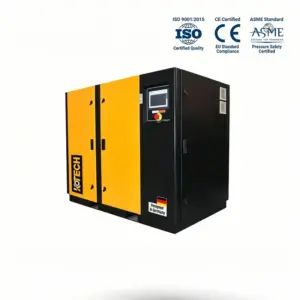
From a framework perspective, an export-grade diesel air compressor for jack hammer applications is a sophisticated, self-contained portable power unit engineered to deliver consistent, high-pressure compressed air, crucial for pneumatic tools in environments lacking conventional power infrastructure. These systems integrate several key components: a high-performance diesel engine, a robust air compressor unit, an air receiver tank, and an intuitive control panel, all mounted on a heavy-duty, often towable, chassis designed for durability and mobility.
The diesel engine is the heart of the system, selected for its reliability, fuel efficiency, and ability to operate under varying environmental conditions. It drives the compressor unit, typically a rotary screw type, which is renowned for its continuous air delivery and sustained pressure suitable for demanding tools like jack hammers. Critical specifications include CFM (Cubic Feet per Minute) for airflow and PSI (Pounds per Square Inch) for pressure, which must align with the operational requirements of the target jack hammers.
Export-specific design considerations include enhanced cooling systems for tropical climates, cold-weather starting packages for arctic regions, and specialized filtration systems to handle dusty environments. Furthermore, robust anti-vibration mounts and heavy-gauge steel enclosures are standard to protect internal components during arduous international transit and on-site operation, ensuring the longevity and consistent performance of the compressor in diverse global locations.
Executing Global Supply: A Step-by-Step Guide to Diesel Air Compressor Export
In practical application, successfully exporting diesel air compressors for jack hammer use involves a multi-faceted process encompassing meticulous market analysis, rigorous regulatory compliance, precise logistical planning, and robust post-sales support. The initial step demands a thorough understanding of the destination market’s specific needs, including climate, typical project scales, and predominant pneumatic tool requirements, to ensure the correct compressor specifications are selected.
The second crucial step involves navigating the intricate web of international regulatory compliance and certification. This includes adherence to emission standards such as EPA Tier 4 Final for North America or EU Stage V for Europe, alongside other local safety and environmental regulations. Proper classification of goods, customs documentation, and securing necessary export licenses are paramount to avoid costly delays and penalties. Early engagement with compliance experts and freight forwarders is highly recommended.
Finally, logistical execution and the establishment of reliable after-sales support are vital. This entails selecting the most appropriate shipping method—often sea freight for larger units—and ensuring the compressor is securely crated with adequate protection against shock, moisture, and temperature fluctuations. Establishing local partnerships for maintenance, spare parts supply, and technical training in the destination country guarantees operational continuity and builds long-term client trust, critical for repeat business in the global market.
Evaluating Power Sources: A Comparative Analysis for Jack Hammer Compressor Solutions
Based on structural analysis, understanding the export viability of diesel air compressors for jack hammer applications necessitates a comparative evaluation against electric and portable petrol alternatives across critical dimensions. This analysis reveals why diesel units, despite certain trade-offs, remain the preferred choice for demanding international projects, especially those in remote or underdeveloped areas.
The following table provides a concise comparison of these compressor types, highlighting key differentiators relevant to export and field application:
| Feature | Diesel Air Compressor (Export) | Electric Air Compressor | Portable Petrol Compressor |
|—————|——————————–|————————-|—————————-|
| Complexity | Moderate to High | Low to Moderate | Low |
| Efficiency | High (fuel economy, duty cycle) | Very High (energy conversion) | Moderate |
| Cost | High (initial, fuel, shipping) | Moderate (initial, power) | Low (initial, fuel) |
| Portability | Excellent (self-contained, robust) | Limited (grid-dependent) | Good (smaller scale) |
| Operating Env. | Remote, rugged, off-grid | Urban, grid-connected | Small-scale, intermittent |
From this comparison, the diesel air compressor’s unmatched portability and independence from fixed power sources clearly position it as the superior choice for international export, particularly when targeting large-scale construction, mining, or infrastructure projects in challenging environments.
While electric compressors offer high efficiency and lower operational noise in grid-connected settings, their reliance on external power limits their export utility to specific, developed regions. Portable petrol compressors, while highly mobile and low-cost, typically lack the sustained power and durability required for heavy-duty, continuous jack hammer operations, making them less suitable for large-scale industrial export applications. This distinct advantage in autonomy and ruggedness underpins the sustained demand for diesel variants in the global market.
Navigating the Global Market: Common Pitfalls in Diesel Compressor Export and Their Solutions
From a framework perspective, mitigating risks in diesel air compressor for jack hammer export requires proactive strategies to address common challenges such as evolving regulatory landscapes, potential logistical disruptions, and limitations in localized technical support. One frequent mistake is insufficient due diligence regarding the destination country’s specific import regulations, certifications, and emission standards, which can lead to costly delays, fines, or even rejection at customs.
A crucial pitfall is inadequate packaging and insufficient protection during transit, resulting in damage to sensitive components or the unit itself. Solutions involve investing in custom-engineered crates that provide superior shock absorption, moisture barriers, and secure fastening. Utilizing reputable freight forwarders with experience in heavy equipment export, securing comprehensive marine or air cargo insurance, and clearly labeling packages for international handling are indispensable measures.
Another significant challenge lies in the absence of robust post-sales support infrastructure in the export market. This can severely impact equipment uptime and customer satisfaction. The professional solution involves establishing strategic partnerships with local distributors or service centers capable of providing timely maintenance, original spare parts, and skilled technical assistance. Offering comprehensive training programs for local technicians on compressor operation and servicing further strengthens this support network, ensuring sustained operational reliability.