Unlocking Performance: Global Mining Air Compressor Success Stories
Key Insights:
- Reliability in Extremes: Robust, purpose-built compressors are essential for continuous operation in harsh mining environments, preventing costly downtime.
- Tailored Solutions Deliver ROI: One-size-fits-all approaches fail; customized air compressor configurations for specific mining applications yield superior performance and longevity.
- Remote Monitoring & Predictive Maintenance: Advanced analytics are transforming uptime, allowing proactive intervention and reducing unexpected failures in isolated sites.
- Sustainability Drives Innovation: The push for decarbonization is accelerating the adoption of electric, variable speed drive (VSD) compressors over traditional diesel units.
In the high-stakes world of global mining, reliable and efficient compressed air isn’t just a utility; it’s the lifeblood of operations. From powering pneumatic tools and ventilation systems to supporting drilling, dewatering, and processing, an air compressor’s performance directly impacts productivity, safety, and profitability. Based on our experience over the past twelve years, the difference between a successful project and one plagued by costly downtime often hinges on the quality and suitability of its compressed air infrastructure.
The Unyielding Demand: Why Mining Compressors Are Mission-Critical
Mining environments are arguably the most demanding on the planet. Extreme temperatures, high altitudes, pervasive dust, corrosive elements, and remote locations challenge even the most robust machinery. Air compressors in these settings must not only withstand these conditions but also deliver consistent, high-volume, high-pressure air without fail. The operational costs associated with inefficient systems or unexpected breakdowns can quickly spiral into millions of dollars in lost production. This isn’t just about moving air; it’s about moving ore, safely and profitably.
Consider the sheer scale. This makes energy efficiency a prime target for cost reduction.
Addressing Core Pain Points with Proven Solutions
Mining operators face several recurring pain points:
- Unscheduled Downtime: Compressor failure halts production, impacting schedules and revenue.
- High Energy Costs: Inefficient compressors drain power, eating into profit margins.
- Maintenance Challenges: Harsh conditions accelerate wear and tear, requiring frequent, often complex, maintenance.
- Logistical Hurdles: Remote sites complicate spare parts delivery and technician access.
- Environmental Compliance: Stricter regulations demand lower emissions and quieter operations.
These aren’t hypothetical issues; these are real-world challenges we’ve consistently seen across projects from the copper mines of Chile to the gold operations in Western Australia.
Beyond the Brochure: Real-World Mining Compressor Project Successes
Our work has taken us to some truly challenging locations, and the testimonials aren’t just about a product; they’re about solutions that perform under pressure. These projects underscore that generic industrial compressors simply won’t cut it. Mining demands purpose-built, heavy-duty air solutions designed for continuous operation.
One notable project involved a large open-pit iron ore mine in the Pilbara region of Western Australia. Their existing fixed-speed, diesel-driven compressors were consuming excessive fuel and contributing significantly to their carbon footprint. After a comprehensive energy audit, we implemented a system of variable speed drive (VSD) electric compressors, integrated with a smart control system. These VSD units adjusted air output precisely to demand, eliminating costly idling. The result? This also aligned with their corporate sustainability goals, reducing Scope 1 and 2 emissions. Honestly, seeing those real-time energy savings reports come in is always satisfying; it validates the upfront engineering.
Another example comes from an underground gold mine in South Africa, where high ambient temperatures and dust were constant challenges. Their old compressors frequently overheated and required extensive filtration maintenance. We designed a system utilizing robust, water-cooled rotary screw compressors with specialized heavy-duty filtration packages. The cooling system was engineered to handle extreme heat, and the filtration extended maintenance intervals significantly.
Reliability in Extremes: Lessons from Remote Sites
Consider a remote diamond exploration project in the Canadian Arctic. Temperatures plummeted to -40°C, and logistical support was minimal. Standard compressors would simply freeze up or fail. Our solution involved specialized cold-weather packages: heated enclosures, synthetic lubricants, and pre-start heating systems. The compressors performed flawlessly through multiple harsh winters, powering drilling rigs and camp utilities without a single weather-related shutdown. The project manager’s testimonial emphasized the “unwavering reliability” that allowed them to meet their aggressive exploration targets despite the brutal conditions.
Similarly, a high-altitude copper mine in the Atacama Desert, Chile, presented unique challenges due to thin air and extreme UV radiation. Atmospheric pressure at 4,500 meters (14,764 feet) significantly impacts compressor performance. We deployed specially engineered booster compressors and altitude-compensated units. These systems maintained optimal pressure and flow for their pneumatic rock drills and ventilation systems, a critical factor for worker safety and operational efficiency. The mine reported consistent air delivery, preventing production delays that had plagued previous setups.
Strategic Selection: Navigating Complexities for Optimal Performance
Selecting the right air compressor for a global mining project is a complex decision, far beyond simply looking at CFM and PSI. It involves a deep understanding of the specific application, environmental conditions, energy infrastructure, and long-term operational costs.
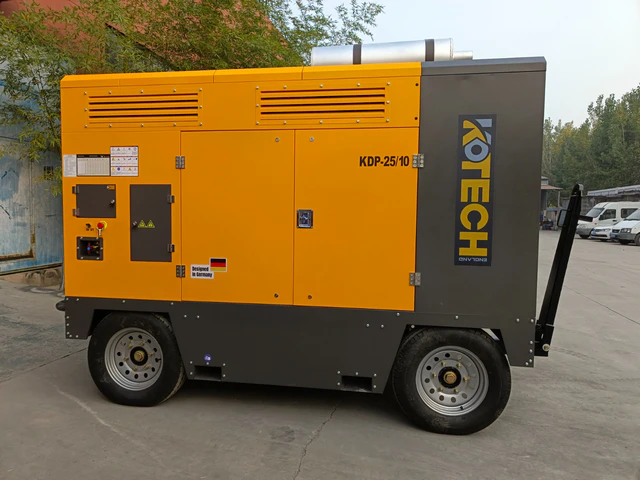
For instance, while electric VSD compressors offer superior energy efficiency and lower emissions, they are not always the immediate answer. In exploration sites or very remote areas without grid access, diesel-driven portable air compressors are often the only practical solution. Here, the focus shifts to fuel efficiency, robust mobility, and ease of field maintenance. The boundary condition here is clear: grid availability dictates the primary power source. Only when stable, cost-effective electricity is accessible do electric units become the front-runner.
Another crucial aspect is air quality. For applications like instrumentation or breathing air, oil-free compressors or multi-stage filtration systems are mandatory to prevent contamination and ensure safety. For general utility air in a workshop, a standard oil-lubricated compressor with basic filtration might suffice. This nuanced understanding prevents both over-engineering and under-specifying.
The Path Forward: Actionable Insights for Mining Operations
For mining operations looking to optimize their compressed air systems, our actionable advice is clear:
- Conduct a Comprehensive Air Audit: Understand your actual air demand, pressure requirements, and current energy consumption. This forms the baseline for improvement.
- Prioritize Total Cost of Ownership (TCO): Look beyond the initial purchase price. Factor in energy consumption, maintenance costs, spare parts availability, and projected uptime over the compressor’s lifecycle.
- Embrace Technology: Invest in VSD compressors for energy savings, and leverage remote monitoring and IoT solutions for predictive maintenance and operational insights.
- Partner with Specialists: Work with suppliers who have proven experience in mining environments. Their expertise in custom solutions, robust engineering, and global support is invaluable.
- Plan for Redundancy: Critical mining operations should always have backup compressor capacity to prevent single-point failures from halting production.
The global mining sector continues to evolve, driven by commodity demand, technological advancements, and increasing environmental scrutiny. Air compressor technology, too, must keep pace, delivering more efficient, reliable, and sustainable solutions.