
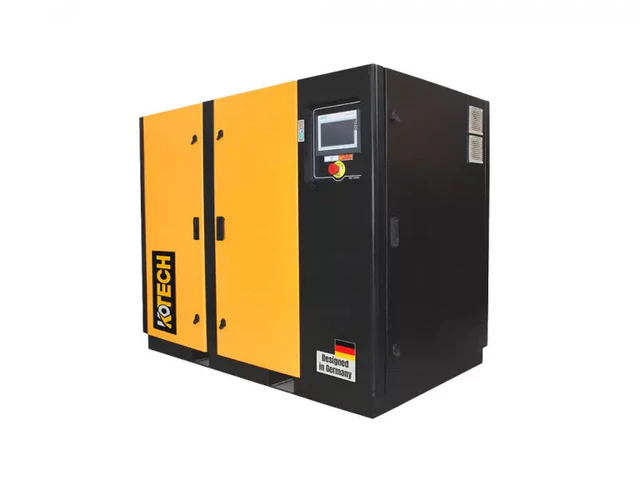
Unlocking Mine Profitability Through Advanced Air Compressor Design
Designing a truly cost-effective mining air compressor system isn’t just about the upfront price tag; it’s a strategic investment in operational longevity and efficiency. Our experience shows that optimizing these systems fundamentally reduces energy consumption and maintenance overhead, directly impacting a mine’s profitability in a sector where every dollar counts. This scheme focuses on a holistic, data-driven approach.
Here are some key insights into building a superior, cost-effective mining air compressor system:
- Smart system integration: IoT-enabled monitoring reduces downtime and optimizes performance proactively.
- Robust, modular design: Essential for harsh mining conditions and simplified maintenance.
- Lifecycle cost analysis: Initial CAPEX is secondary to long-term OPEX savings and reliability.
- Right-sizing is critical: Over- or under-specifying leads to inefficiency and premature component wear.
The Economic Imperative: Why Cost-Effectiveness Matters More Than Ever
Mining operations face relentless pressure to minimize expenses while maximizing output. Compressed air, often considered the “fourth utility,” accounts for a significant portion of energy consumption on a mine site. Mismanaged or poorly designed systems bleed profit through excessive power usage, frequent breakdowns, and high maintenance demands.
Ignoring this financial drain is simply not an option for competitive mining companies today. We’re talking about real money, not just theoretical savings.
Understanding the Total Cost of Ownership (TCO)
A cost-effective design scheme moves beyond the purchase price to embrace the Total Cost of Ownership (TCO). This includes capital expenditure (CAPEX), installation, energy consumption, maintenance (parts, labor, downtime), and eventual decommissioning. A system with a lower initial cost might prove exorbitantly expensive over its operational life if it’s energy-inefficient or prone to breakdowns.
Data-Driven Design: Leveraging Modern Insights
Modern mining demands systems that are not only powerful but also smart. Integrating data analytics and IoT (Internet of Things) capabilities into air compressor systems is no longer a luxury; it’s a necessity for optimizing performance and predicting issues before they escalate.
Key Data Points for System Design
- Energy Consumption Benchmarking: Analyze existing energy bills and specific power consumption (kW/m³ per minute) of current compressors. Identify peak and off-peak demand cycles.
- Maintenance Records: Detailed logs of component failures, service intervals, and associated costs provide crucial insights into system weaknesses.
- Operational Data: Real-time pressure, temperature, flow rates, and humidity data are invaluable for understanding system performance under actual mining conditions.
These data points inform decisions on compressor type, sizing, air treatment requirements, and control strategies. Without a clear picture of how your current system performs, any new design is just a shot in the dark.
Core Pillars of a Cost-Effective Design Scheme
1. Optimized Compressor Sizing and Type Selection
The first critical step is accurate sizing. An undersized compressor struggles to meet demand, leading to constant running at maximum load, reduced lifespan, and poor air quality. An oversized unit cycles frequently, wasting energy and accelerating wear.
For mining, portable diesel air compressors are often the workhorses, especially in remote or dynamic environments. However, for fixed installations or deeper underground mines with stable power, electric rotary screw compressors offer superior energy efficiency.
2. Advanced Air Treatment and Distribution
Clean, dry air is non-negotiable in mining to protect pneumatic tools and processes. A robust air treatment system (filters, dryers, aftercoolers) prevents corrosion, premature wear, and production slowdowns. A well-designed distribution network, using appropriately sized piping with minimal bends and leaks, ensures air reaches the point of use at the required pressure and flow, reducing pressure drop and wasted energy.
3. Predictive Maintenance and Remote Monitoring
Integrating IoT sensors for real-time monitoring of critical parameters (pressure, temperature, vibration, oil levels) allows for predictive maintenance. Instead of scheduled downtime, maintenance is performed only when needed, based on actual component health. This proactive approach minimizes unexpected failures, extends equipment life, and reduces maintenance costs significantly. Think of it as having a doctor for your compressor, always checking its vitals.
4. Energy Recovery Systems
Compressors generate a substantial amount of heat, much of which is typically wasted. Heat recovery systems can capture this energy and use it for other purposes, such as heating water for wash plants or warming ventilation air. While the initial investment might be higher, the long-term energy savings can be substantial, contributing to both cost-effectiveness and environmental sustainability.
Boundary Conditions and Counter-Examples
While a sophisticated, integrated system offers substantial long-term benefits, it’s important to acknowledge its limitations. This comprehensive design scheme might not be the most practical solution for very small-scale, short-duration exploration projects or highly temporary surface mining operations. In such scenarios, the capital expenditure for advanced controls and extensive energy recovery might outweigh the achievable savings over a limited operational lifespan. For these specific cases, simpler, highly robust, and easily deployable standard portable diesel compressors, perhaps with basic filtration, often represent the more pragmatic and cost-effective choice, even if they lack the high-tech efficiency features.
Practical Implementation Steps for Mine Operators
Implementing a cost-effective air compressor system design scheme involves several key stages:
- Conduct a Comprehensive Air Audit: Engage a qualified expert to assess current demand, system efficiency, leakages, and air quality. This audit forms the baseline for all subsequent decisions.
- Define Operational Requirements: Clearly identify the specific air pressure, flow rates, duty cycles, and environmental conditions for each application point in the mine.
- Component Selection: Choose high-efficiency compressors (e.g., VSD rotary screw, robust diesel units), appropriate air treatment equipment, and durable piping materials suitable for the mining environment.
- System Integration and Controls: Implement a centralized control system that optimizes compressor sequencing, monitors performance, and facilitates remote diagnostics.
- Training and Maintenance Protocols: Develop comprehensive training for operators and maintenance staff. Establish strict preventative and predictive maintenance schedules.
- Continuous Monitoring and Optimization: Utilize data analytics to track system performance, identify areas for further improvement, and ensure ongoing cost-effectiveness.
By meticulously following these steps, mining operations can transition from reactive, costly air management to a proactive, highly efficient system that directly enhances their bottom line.




