
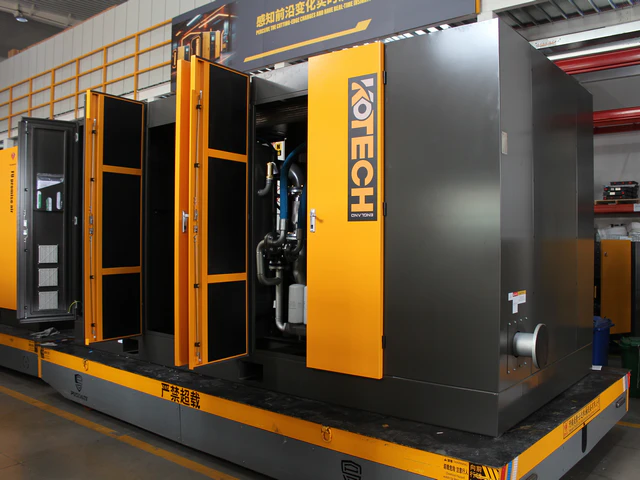
Unlocking Productivity in Arid Mines: The Role of Dust-Proof Portable Diesel Compressors
Dust-Proof Portable Diesel Compressor Applications for Dry Mining Areas
- Specialized dust-proofing is critical for equipment longevity and reduced maintenance in dry mining.
- Portability allows for agile deployment and redeployment in remote, dynamic mining landscapes.
- Diesel power provides essential autonomy and reliability where grid infrastructure is absent or unreliable.
- Investing in these robust units directly translates to enhanced safety, higher productivity, and lower total cost of ownership (TCO).
- Standard compressors simply cannot withstand the severe conditions of arid mining operations.
In dry mining operations, the air isn’t just air; it’s a constant, abrasive stream of fine particulate matter. This harsh reality demands equipment built to endure, and frankly, a standard portable diesel compressor simply won’t cut it. We’re talking about a specialized class of machinery: dust-proof portable diesel compressors. These aren’t luxury items; they are foundational to maintaining operational integrity, ensuring worker safety, and maximizing uptime in some of the most challenging environments on earth.
The Unseen Scourge: Why Dust-Proofing Isn’t Optional
Dust is the silent killer of machinery in dry mining. Fine silica and rock particles penetrate seals, clog filters, accelerate wear on internal components, and contaminate lubricants. For a conventional air compressor, this means rapid degradation, frequent breakdowns, and a significantly shortened lifespan. Think about an engine trying to breathe through a perpetually blocked nose; that’s what happens to a compressor without adequate dust protection.
The pain points are immediate and severe. Operators face constant filter changes, increased engine oil consumption, and premature failure of critical components like air ends and engine parts. This translates directly into skyrocketing maintenance costs and, more critically, unplanned downtime. Each hour a compressor is down means lost production, impacting project timelines and profitability. Beyond mechanical issues, airborne dust poses serious health risks, including silicosis, making robust dust management a non-negotiable safety imperative.
Market Realities and Operational Imperatives
The global mining sector continues its relentless pursuit of efficiency and reliability, often in increasingly remote and challenging locations. This growth underscores the critical need for equipment like dust-proof portable diesel compressors.
Dry mining areas, by their very nature, often lack stable grid power infrastructure. This makes self-contained, diesel-powered units indispensable. They provide the necessary air power for essential tasks like blast hole drilling, pneumatic tool operation, and general site maintenance, entirely independent of external power sources.
Another trend we’ve observed is the increasing focus on environmental compliance and worker health. Stricter regulations regarding airborne particulate matter mean mining companies must adopt technology that actively mitigates dust ingestion into their machinery, which in turn reduces dust emissions and exposure.
Engineering for Endurance: Key Features and Benefits
What sets these specialized units apart? It’s all in the robust engineering designed specifically to combat abrasive dust and operate reliably in extreme heat or cold.
- Multi-Stage Filtration Systems: This is the cornerstone. These compressors feature heavy-duty pre-filters, often cyclonic, to remove larger particles, followed by high-efficiency primary and secondary air filters. Some even incorporate positive pressure systems within the enclosure to prevent dust ingress.
- Sealed Enclosures and Components: Critical engine and compressor components are housed in tightly sealed enclosures, minimizing points of entry for dust. This includes sealed control panels and robust gaskets around access points.
- Heavy-Duty Cooling Systems: Dry mining areas can be intensely hot. These units are equipped with oversized radiators and oil coolers, often with wider fin spacing to prevent clogging from dust, ensuring optimal operating temperatures.
- Rugged Undercarriage and Chassis: Built for rough terrain, their chassis are reinforced, and often skid-mounted or trailer-mounted with heavy-duty axles and tires, allowing for easy, safe relocation across uneven mining sites.
- Fuel Efficiency and Extended Run Times: Equipped with efficient diesel engines and large fuel tanks, these machines are designed for prolonged operation without constant refueling, a critical factor in remote locations.
The benefits are clear: significantly extended service intervals, reduced frequency of filter replacements, lower overall maintenance costs, and a consistent, reliable supply of compressed air. This directly translates to higher productivity, enhanced safety by reducing manual intervention in dusty conditions, and a lower total cost of ownership over the equipment’s lifespan.
When Standard Compressors Just Won’t Cut It
Trying to use a standard industrial portable compressor in a dry mining environment is a recipe for disaster. Such units, designed for less hostile conditions, lack the specialized filtration and sealing necessary to withstand the constant bombardment of abrasive dust. Their air filters will clog almost immediately, leading to reduced airflow, overheating, and rapid wear on the compressor’s air end and the diesel engine itself.
These specialized dust-proof units are not universal solutions for every mining scenario. For instance, in wet mining environments where water is readily available for dust suppression, the extreme level of dust-proofing might be overkill. Only when significant airborne particulate matter is a constant threat to equipment integrity and worker health do these specialized units truly shine. Their higher initial investment is justified by the extreme conditions they are built to conquer.
Strategic Deployment: Best Practices for Dry Mining Operations
Maximizing the value of a dust-proof portable diesel compressor involves more than just purchasing the right machine. Strategic deployment and meticulous maintenance are key.
- Site-Specific Selection: Match the compressor’s CFM (Cubic Feet per Minute) and PSI (Pounds per Square Inch) output precisely to the demands of your pneumatic tools and drilling equipment. Over-specifying wastes fuel; under-specifying leads to inefficiency.
- Optimal Placement: Position the compressor upwind from major dust-generating activities whenever possible. This minimizes the amount of particulate matter entering the air intake, even with superior filtration.
- Operator Training: Ensure all personnel operating and maintaining these units are thoroughly trained on their specific features, maintenance requirements, and the unique challenges of the dry mining environment. In our experience, the best equipment in the world is only as good as the team running it and the maintenance schedule they follow.
- Genuine Parts Usage: Always use manufacturer-recommended genuine spare parts, especially for filtration systems. Aftermarket filters may not meet the stringent specifications required for dust-proof performance.
By integrating these robust, dust-proof portable diesel compressors with smart operational practices, mining companies can significantly enhance their productivity, reduce operational costs, and create a safer working environment in dry mining areas.




