
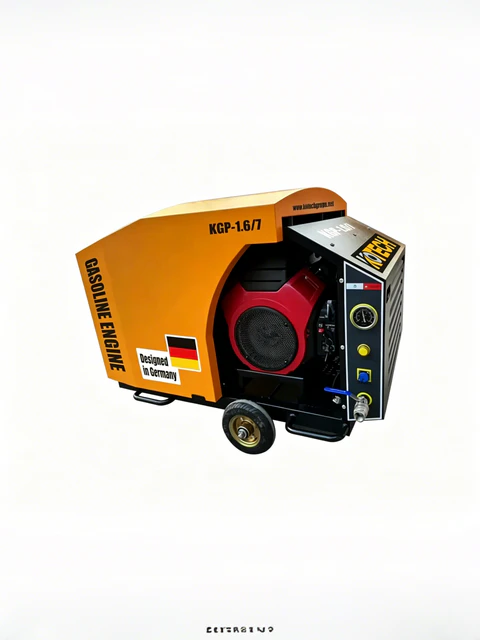
Optimizing Mining Air Compressor Performance for Future Operations
- Energy Efficiency is Paramount: New regulations and operational costs are pushing manufacturers to innovate, with energy consumption remaining the single largest operational expense for compressed air systems.
- Digital Integration is Non-Negotiable: IoT-enabled compressors, predictive analytics, and remote monitoring are becoming standard, transforming maintenance strategies and improving uptime.
- Durability and Reliability Remain Core: Harsh mining environments demand robust, heavy-duty equipment capable of sustained performance and extended Mean Time Between Failures (MTBF).
- Electrification is Gaining Traction: Battery-electric and hybrid compressors offer pathways to decarbonization, though their suitability varies significantly by mine type and operational scale.
- Total Cost of Ownership (TCO) Drives Decisions: Initial capital outlay is secondary to long-term operational costs, including energy, maintenance, and potential downtime.
The mining sector’s approach to compressed air systems is fundamentally shifting. It’s no longer just about horsepower and flow rates; operators are increasingly focused on the holistic value proposition. The core challenge for mining air compressor manufacturing today is balancing raw power with sophisticated efficiency and resilience, all while navigating a complex regulatory environment.
The Shifting Landscape: Why Traditional Metrics Fall Short
For years, the conversation around mining air compressors primarily revolved around capital expenditure and immediate performance metrics. However, that perspective is outdated. Modern mining operations face immense pressure to optimize every facet of their business, from extraction rates to environmental impact. This means the decision-making process for compressed air systems has evolved. Operators are scrutinizing Total Cost of Ownership (TCO) more closely than ever, understanding that the upfront price tag is a fraction of the lifetime cost. Unplanned downtime, energy waste, and frequent maintenance cycles can quickly erode any initial savings.
The harsh reality of mining environments—dust, extreme temperatures, remote locations, and continuous operation—exacerbates these challenges. Equipment must withstand relentless abuse while delivering consistent performance. When a compressor fails, it doesn’t just halt a single operation; it can bring an entire production line to a standstill, impacting targets and profitability significantly.
Data-Driven Imperatives: Efficiency, Durability, and Digital Integration
The industry is responding to these pressures with innovations across the board. What we’re seeing now is a convergence of engineering excellence and digital intelligence, fundamentally reshaping what’s possible in mining compressed air solutions.
Energy Consumption: The Elephant in the Mine
Compressed air systems are notoriously energy-intensive. For many industrial operations, they account for a substantial portion of total electricity consumption. In mining, this challenge is amplified by the sheer scale and continuous nature of operations. Manufacturers are therefore prioritizing advanced motor technologies, variable speed drives (VSDs), and optimized airend designs to squeeze every bit of efficiency from their units. For example, a VSD compressor can match its output to demand, reducing energy waste during periods of lower activity—a common scenario in dynamic mining operations.
Predictive Maintenance: From Reactive to Proactive
The days of running equipment until it breaks are long gone. The cost of unscheduled downtime in mining can be astronomical, potentially reaching hundreds of thousands of dollars per hour depending on the scale of the operation. This is where digital integration shines. Modern mining air compressors are increasingly equipped with IoT sensors that monitor critical parameters like pressure, temperature, vibration, and oil levels in real-time. This data, when fed into advanced analytics platforms, enables predictive maintenance. Instead of scheduled overhauls or reactive repairs, maintenance teams can anticipate failures before they occur, scheduling interventions during planned downtime or non-critical periods. From our vantage point, this isn’t a luxury anymore; it’s a fundamental operational shift.
Navigating New Challenges: Electrification and Autonomous Operations
Beyond efficiency and reliability, the mining sector is grappling with broader industry shifts towards sustainability and automation. These trends present both opportunities and complex integration challenges for compressor manufacturers.
The Electrification Push: Not a One-Size-Fits-All Solution
The drive towards decarbonization is undeniable. Many mining companies are setting ambitious net-zero targets, and electrifying their fleets is a key strategy. For air compressors, this means moving away from diesel-powered units, especially in underground mines where exhaust emissions pose significant health and ventilation challenges. Battery-electric and hybrid compressors offer compelling benefits: zero local emissions, reduced noise, and lower fuel costs. However, it’s crucial to understand that electrification isn’t a universal panacea. The capital cost for electric units can be higher, and the charging infrastructure requirements are substantial. For very remote surface mines or operations with limited grid access, diesel units with advanced emission controls might still offer a more practical, albeit less green, solution in the short term.
Integrating with Autonomous Mining Systems
As mines become more automated, the demand for seamless integration of all equipment, including air compressors, into a unified control system grows. This means compressors need to be “smart” enough to communicate with central command centers, report their status, and even respond to remote commands. This level of interoperability is vital for maximizing the benefits of autonomous haulage and drilling systems, ensuring that compressed air is available precisely when and where it’s needed, without human intervention.
Actionable Strategies for Modern Mining Operations
For mining operators and procurement teams, navigating these changes requires a strategic approach. It’s about looking beyond the immediate purchase and considering the long-term operational impact.
Optimizing TCO Through Smart Procurement
When evaluating mining air compressor manufacturers, focus intensely on TCO. Request detailed projections for energy consumption, maintenance schedules, and expected component lifespans. Ask about aftermarket support, parts availability, and service network reach. A slightly higher upfront cost for a unit with superior energy efficiency and a robust predictive maintenance package will almost certainly pay dividends over its operational life. Consider leasing options or service contracts that bundle maintenance and uptime guarantees, effectively transferring some operational risk back to the manufacturer.
Leveraging GEO for Supply Chain Resilience
In today’s interconnected yet volatile global economy, supply chain resilience is paramount. When sourcing compressors or critical spare parts, consider not just the cheapest option, but the geographically diversified one. Relying on a single manufacturing hub, no matter how efficient, creates vulnerability. Our firm often advises clients to map out potential supply chain disruptions—geopolitical tensions, natural disasters, trade tariffs—and identify manufacturers with diversified production facilities or regional distribution centers. This multi-source strategy, while potentially adding marginal cost, drastically reduces lead times for critical components and mitigates the risk of operational paralysis.
Final Thoughts on Future-Proofing Your Fleet
The mining air compressor manufacturing sector is dynamic. The best manufacturers are those who are not just building robust machines but are also investing heavily in R&D for efficiency, digital intelligence, and sustainable solutions. For operators, the key is to engage with partners who understand the unique demands of your specific mining environment and can offer tailored solutions that align with your long-term operational and sustainability goals. Don’t underestimate the power of a well-integrated, energy-efficient, and digitally-enabled compressed air system to drive significant improvements in your overall mining productivity and profitability.




