Navigating the Next Generation of Mining Air Compressors
The global mining air compressor industry is experiencing a profound transformation, driven by a relentless pursuit of efficiency, sustainability, and operational intelligence. We’re seeing a clear pivot towards electrified, smart, and highly reliable compressed air systems, fundamentally altering how mines operate and manage their critical pneumatic infrastructure. This shift addresses escalating energy costs, stringent environmental regulations, and the need for enhanced safety and productivity in remote and challenging environments.
Here are the key insights:
- Electrification is accelerating, shifting away from diesel power sources.
- Smart, IoT-enabled compressors are becoming standard for predictive maintenance.
- Energy efficiency remains paramount, with Variable Speed Drive (VSD) technology leading the charge.
- Sustainability and reduced environmental footprint are non-negotiable design priorities.
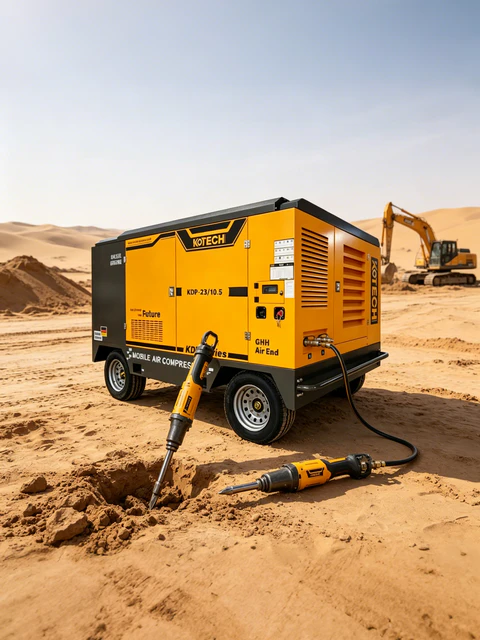
- Modular and portable solutions are gaining traction for operational flexibility.
The Shifting Landscape: Key Drivers for Innovation
For years, mining operations relied on robust, often diesel-powered, air compressors to drive everything from pneumatic tools to ventilation systems. But those days are rapidly changing. The pressures on mining companies are immense: fluctuating commodity prices, stricter environmental regulations, and a constant push for higher productivity at lower costs. These factors directly translate into a demand for more sophisticated compressed air solutions.
Miners are looking for equipment that can handle extreme conditions without excessive downtime. They need reliability, yes, but also a system that integrates seamlessly into their broader digital ecosystems. Honestly, the old “set it and forget it” mentality for air compressors is dead. We’re dealing with complex, interconnected systems now.
The push for decarbonization is also a massive driver. Mines are under scrutiny to reduce their carbon footprint, and diesel compressors are a major contributor. This has accelerated the development of electric and hybrid solutions, even in remote areas where power infrastructure is challenging.
Data-Driven Transformations: What the Numbers Say
The market reflects these shifts.
Energy consumption remains a critical pain point for mine operators.
Beyond energy, operational uptime is king.
Tech Breakthroughs: Efficiency, Electrification, and Smart Operations
Electrification and Hybrid Solutions
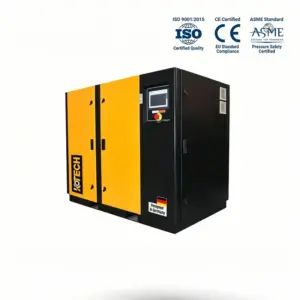
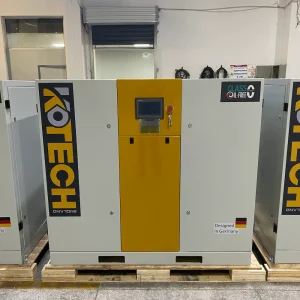
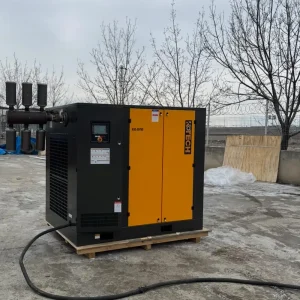
The move to electric is perhaps the most significant trend. Battery-electric vehicles (BEVs) are gaining traction in underground mining, and the same principle applies to compressed air systems. Electric compressors eliminate diesel emissions, improve air quality for workers, and reduce noise levels. For surface operations, high-voltage electric compressors are becoming the standard, offering superior efficiency and lower running costs where grid power is accessible. Hybrid models, combining electric motors with smaller, efficient internal combustion engines for peak demand or backup, are bridging the gap in more challenging locations.
IoT and Predictive Maintenance
Modern mining air compressors are no longer isolated machines. They’re equipped with sensors that monitor everything: pressure, temperature, vibration, oil levels, and energy consumption. This data feeds into cloud-based platforms, allowing for real-time monitoring and predictive analytics. Imagine knowing a bearing is about to fail weeks in advance, rather than discovering it during an emergency shutdown. This capability minimizes expensive downtime and optimizes maintenance schedules, a huge win for remote mining sites.
Advanced Energy Recovery Systems
Compressed air generates a significant amount of heat. New systems are designed to capture this waste heat and reuse it for other mine processes, such as heating water for wash plants or warming ventilation air. This isn’t just a feel-good measure; it’s a direct way to reduce overall energy consumption and operational costs, effectively turning a waste product into a valuable resource.
Sustainability & Safety: More Than Just Compliance
Environmental, Social, and Governance (ESG) factors are no longer buzzwords; they’re core to investor decisions and public perception. Mining companies are actively seeking solutions that reduce their environmental footprint. This extends to air compressors through:
- Oil-free technology: Eliminates the risk of oil contamination in the compressed air, crucial for certain applications and for environmental discharge.
- Reduced noise pollution: Quieter compressors improve working conditions and minimize impact on surrounding communities.
- Lower emissions: Electrification directly addresses greenhouse gas emissions from the compressor itself, contributing to the mine’s overall decarbonization strategy.
Safety is also paramount. Remote monitoring reduces the need for personnel to enter hazardous areas for routine checks. Automated systems can respond faster to changing conditions, preventing potential accidents. This integrated approach to sustainability and safety is becoming a key differentiator in the market.
Challenges and Nuances: Where Innovation Meets Reality
While the advancements are exciting, it’s important to be realistic. These new technologies aren’t a magic bullet for every operation. For instance, full electrification can be cost-prohibitive in extremely remote greenfield sites without existing grid infrastructure. In such cases, a hybrid approach or advanced diesel units with robust emission controls might still be the only viable option initially, particularly for exploration or temporary setups. It’s a balance of investment versus immediate need.
Another point: connectivity. While IoT is powerful, reliable high-bandwidth internet access isn’t a given in many mining regions. This means local data processing capabilities and robust edge computing become crucial for maintaining system intelligence even when the cloud is intermittently out of reach. We can’t assume ubiquitous connectivity when planning these deployments.
Strategic Moves: What Miners Need to Prioritize Now
To navigate this evolving landscape, mining companies should focus on a few key areas:
- Conduct a comprehensive energy audit: Understand your current compressed air demand and identify areas for efficiency gains. This audit should be the first step before any major investment.
- Embrace digitalization: Invest in IoT-enabled compressors and predictive maintenance platforms. The ROI on reduced downtime and optimized maintenance is compelling.
- Plan for electrification: Even if full electrification isn’t immediate, develop a roadmap. Consider how your power infrastructure can evolve to support electric equipment.
- Prioritize Total Cost of Ownership (TCO): Look beyond the initial purchase price. Factor in energy consumption, maintenance costs, and potential downtime over the equipment’s lifespan. A cheaper unit upfront can be a money pit later.
- Seek modularity and scalability: As operations change, being able to easily expand or reconfigure your compressed air system offers significant flexibility and cost savings.
The future of mining air compressors is undeniably intelligent, efficient, and clean. Staying ahead means understanding these trends and strategically integrating them into your operational planning.
Conclusion
The global mining air compressor industry is undergoing a significant transformation, driven by demands for greater efficiency, sustainability, and operational intelligence. Electrification, IoT integration for predictive maintenance, and advanced energy recovery are no longer niche concepts but core expectations. For mining operations, embracing these innovations means substantial reductions in operating costs, improved safety, and a demonstrably smaller environmental footprint. The path forward is clear: smart, sustainable, and connected.