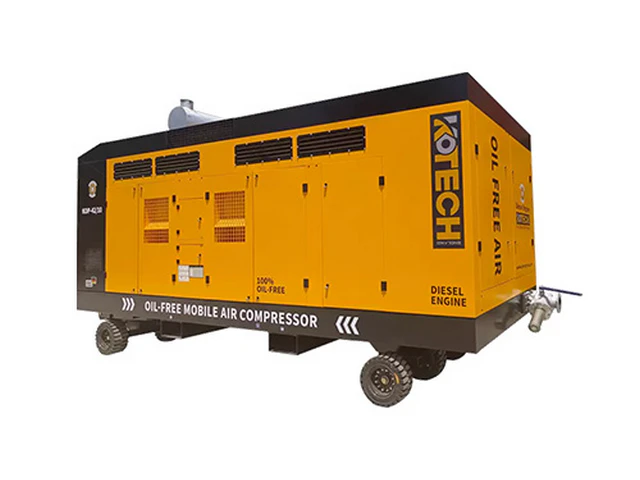
Unlocking Exploration Success: The Right Mobile Air Compressor
- Reliability is Non-Negotiable: Downtime from air compressor failure in remote mining exploration costs exponentially more than the initial equipment savings.
- Fuel Efficiency Drives Profit: Significant operational savings come from selecting advanced, fuel-optimized mobile air compressors, directly impacting project viability in distant locations.
- Purpose-Built Design Matters: Standard construction compressors rarely withstand the extreme conditions and demanding duty cycles of mining exploration.
- Integrated Solutions Reduce Complexity: Prioritize suppliers offering comprehensive support, including parts, service, and training, crucial for remote camp logistics.
Getting air power right in mining exploration isn’t a luxury; it’s fundamental to project success and, frankly, survival in the field. Many operations overlook the true cost of inadequate mobile air compressor solutions until breakdowns hit, halting critical drilling or pneumatic tool work hundreds of miles from the nearest service center. We’re talking about equipment that needs to perform flawlessly under extreme pressure, often far from any paved road.
The Unseen Costs of Inefficient Air Power in Mining Exploration
The challenges of mining exploration are unique: extreme temperatures, dust, vibration, and immense logistical hurdles. When a mobile air compressor fails in this environment, the ripple effects are catastrophic. It’s not just the repair cost; it’s the lost drilling time, the idle crews, the delayed geological data, and the escalating project budget. We often see companies try to cut corners with standard industrial compressors, only to learn the hard way that these units are simply not built for the relentless demands of a remote exploration site. The cost of a single day of downtime can easily eclipse the price difference between a robust, purpose-built unit and a cheaper, less reliable alternative.
Beyond the Purchase Price: True Cost of Ownership
The sticker price of a mobile air compressor is only a fraction of its true cost over its operational lifespan in mining exploration. Fuel consumption, maintenance, spare parts, and transport all contribute significantly to the total cost of ownership (TCO). In remote camps, fuel transport alone can add a substantial premium per gallon, making fuel-efficient compressors a strategic imperative. Furthermore, the logistical nightmare of flying in a specialized technician or parts to a remote site can quickly decimate an exploration budget.
The Numbers Don’t Lie: Why Robust Mobile Air is Critical
Let’s talk numbers, because that’s where the rubber meets the road. This massive investment underscores the high stakes involved. Any factor that can introduce delays or increase operational costs directly threatens the viability of these projects. While exploration isn’t “production,” the principle of lost operational time translates directly to budget overruns.
Fuel Efficiency: A Game Changer for Remote Sites
Consider fuel. Diesel prices fluctuate, but the cost of getting that diesel to a remote exploration camp often doubles or triples the pump price. Frankly, ignoring this aspect is leaving money on the table.
What to Look For: Key Features of Exploration-Ready Compressors
Selecting the right mobile air compressor for mining exploration camps requires a deep understanding of the operating environment and application. It’s not about buying the biggest or cheapest unit; it’s about finding the one engineered for resilience and efficiency under duress.
Ruggedization and Durability
The chassis, enclosure, and internal components must withstand constant vibration, extreme temperatures (from sub-zero to scorching deserts), corrosive dust, and heavy-duty transport across challenging terrain. Look for units with heavy-gauge steel, reinforced frames, and robust paint finishes. Undercarriage protection is also vital for navigating rocky or uneven ground.
Optimized Fuel Efficiency and Extended Run Times
Prioritize compressors with advanced engine management systems, variable speed drives (VSD) where applicable for specific applications, and large fuel tanks. These features extend operational hours between refueling, reducing logistical demands and overall fuel consumption. Modern diesel engines compliant with Tier 4 Final or equivalent emissions standards often integrate technologies that enhance fuel economy.
Serviceability and Maintenance Access
In remote locations, quick and easy access to service points is paramount. Compressors designed with large access panels, clearly labeled components, and common service intervals simplify routine maintenance. This reduces the time technicians spend on site and minimizes the need for specialized tools.
Cold-Start Capability and Extreme Weather Packs
For exploration in arctic or high-altitude regions, robust cold-start packages are essential. These can include engine block heaters, battery blankets, and specialized lubricants to ensure reliable startup in freezing conditions. Conversely, enhanced cooling systems are critical for operations in tropical or desert climates.
Remote Monitoring and Telematics
Modern mobile air compressors offer telematics systems that provide real-time data on performance, fuel levels, maintenance alerts, and GPS location. This capability is invaluable for managing a fleet across multiple remote sites, allowing proactive maintenance scheduling and rapid response to issues, thereby maximizing uptime.
The Pitfalls: When Standard Compressors Fall Short
It’s tempting to use a standard construction-grade mobile air compressor for a mining exploration camp. After all, they’re readily available and often less expensive upfront. However, this is a classic false economy. Construction compressors are typically designed for shorter duty cycles, less extreme environmental conditions, and easier access to service. They lack the enhanced filtration systems required for fine mineral dust, the robust cooling packages for continuous operation in extreme heat, or the heavy-duty chassis to endure constant movement over rough terrain.
Not Applicable for Continuous, High-Demand Operations
A standard unit might suffice for an intermittent, low-demand task like powering a small impact wrench for a few hours. However, it is absolutely not suitable for powering a drill rig that runs for 12-18 hours a day, day after day, in an environment where dust ingress can quickly destroy air filters and internal components. Only when the duty cycle is light, intermittent, and the environmental conditions are mild would a standard construction compressor even be a consideration – and frankly, those conditions rarely apply to serious mining exploration.
Implementing Your Fleet: Best Practices for Uptime and ROI
Beyond selecting the right equipment, successful deployment of mobile air compressor solutions in mining exploration hinges on strategic planning and operational excellence.
Comprehensive Maintenance Schedules
Establish rigorous preventative maintenance schedules, adhering strictly to manufacturer recommendations. This includes frequent air filter changes, oil analysis, and regular inspections of hoses, connections, and safety systems. Train on-site personnel for basic daily checks to catch issues before they escalate.
Strategic Spare Parts Inventory
For remote sites, a well-stocked inventory of critical spare parts is non-negotiable. This should include common wear items like filters, belts, and hoses, along with essential components like sensors or small electrical parts. Relying on just-in-time delivery for remote locations is a recipe for extended downtime.
Operator Training and Safety Protocols
Ensure all personnel operating or maintaining the compressors are thoroughly trained. This includes proper startup/shutdown procedures, troubleshooting common issues, and strict adherence to safety protocols for compressed air systems. A well-trained operator can prevent many failures and ensure efficient operation.
Partnerships with Reputable Suppliers
Choose a supplier with a proven track record in the mining or heavy industrial sector. They should offer robust technical support, readily available parts, and potentially on-site training. A strong supplier relationship can be the difference between a minor hiccup and a project-halting crisis.