Ensuring Safety and Efficiency with Explosion-Proof Portable Diesel Compressors in Mining
- Safety First, Always: In hazardous mining zones, explosion-proof compressors are non-negotiable for preventing catastrophic incidents.
- MSHA Compliance is Mandatory: These units must meet stringent MSHA Part 7 and Part 36 standards for safe operation in gassy or dusty mines.
- Beyond Standard: Traditional diesel compressors lack the critical safeguards required for explosive atmospheres.
- Downtime Prevention: Reliable, purpose-built equipment reduces risks, ensuring operational continuity and protecting investments.
- Strategic Investment: Choosing the right explosion-proof unit significantly impacts both safety records and long-term operational costs.
Understanding the Urgent Need for Safety in Mining
In the mining industry, particularly within hazardous zones, safety isn’t a buzzword; it’s the absolute foundation of every operation. The presence of methane, coal dust, and other flammable particulates transforms routine tasks into high-stakes endeavors. That’s why explosion-proof portable diesel compressors aren’t just an upgrade; they are an indispensable piece of equipment, purpose-built to eliminate ignition sources and safeguard personnel and assets. This isn’t about cutting corners; it’s about adhering to the highest safety standards to protect lives and maintain operational integrity.
The Escalating Risks and Regulatory Landscape
The reality of mining dictates that risks are inherent. However, modern technology and stringent regulations aim to mitigate these as much as possible. This stark reality underscores the need for specialized equipment.
The regulatory environment reflects this critical need. In the United States, MSHA sets forth rigorous standards, particularly for “permissible” equipment in gassy mines (30 CFR Part 7 and Part 36). These regulations aren’t just guidelines; they are legal mandates designed to prevent explosions. Any equipment operating in these environments, including portable air compressors, must be certified to these standards. Failing to comply can result in severe penalties, operational shutdowns, and, most importantly, tragic loss of life.
Why Standard Compressors Simply Don’t Cut It
A common misconception among newer operators is that a robust, standard industrial diesel compressor can handle the demands of a hazardous mine. This couldn’t be further from the truth. Standard compressors are designed for general industrial applications where flammable atmospheres are either nonexistent or strictly controlled through other means. They contain numerous potential ignition sources: exposed electrical components, hot exhaust surfaces, sparking switches, and unshielded air intakes that could ingest explosive gases.
Introducing such a unit into a methane-rich or highly dusty environment is akin to bringing a match into a gas station. It’s an unacceptable risk. These compressors lack the specialized enclosures, flame traps, exhaust gas coolers, and intrinsically safe electrical systems necessary to contain potential sparks or high temperatures. The difference isn’t just a matter of price; it’s a fundamental divergence in design philosophy driven by safety.
Key Features Defining a True Explosion-Proof Solution
What truly makes a portable diesel compressor “explosion-proof” for mining? It’s a combination of meticulously engineered features, all aimed at preventing ignition.
- Flame Traps and Spark Arrestors: These are critical on both the engine intake and exhaust systems, preventing sparks or flames from exiting the engine and igniting external gases.
- Engine Overheat Protection: Sensors monitor engine and exhaust temperatures, automatically shutting down the unit if safe limits are exceeded. This is vital because hot surfaces can easily ignite methane.
- MSHA-Approved Electrical Systems: All electrical components – starters, alternators, wiring, and control panels – are housed in explosion-proof enclosures or are intrinsically safe, meaning they cannot generate enough energy to cause an ignition.
- Exhaust Gas Coolers: Exhaust gases are cooled significantly before being discharged, ensuring they are below the auto-ignition temperature of hazardous gases.
- Robust Enclosures: The entire unit is typically enclosed in a heavy-duty, sealed housing designed to contain any internal explosion and prevent flame propagation to the outside atmosphere.
- Emergency Shutdown Systems: Manual and automatic shutdown systems are integrated, often triggered by methane detection or overheating.
These aren’t optional extras; they are fundamental design elements that earn a compressor its “permissible” or “explosion-proof” certification.
Operational Advantages Beyond Compliance
Beyond the obvious safety benefits, investing in a certified explosion-proof portable diesel compressor brings significant operational advantages.
Enhanced Reliability and Reduced Downtime
These units are built to withstand the harshest conditions found in mining. Their robust construction and specialized components mean less susceptibility to environmental damage and mechanical failure.
Improved Worker Confidence and Productivity
When workers know their equipment is specifically designed for their hazardous environment, their confidence levels soar. This isn’t just anecdotal; a safer work environment demonstrably leads to increased morale and efficiency. Reduced anxiety about potential hazards allows teams to focus entirely on their tasks, boosting overall productivity.
Fuel Efficiency and Environmental Considerations
Modern explosion-proof diesel compressors are increasingly engineered for fuel efficiency. While safety is paramount, manufacturers are integrating advanced engine technologies that reduce fuel consumption and emissions. This not only lowers operating costs but also aligns with growing environmental regulations.
Selecting the Right Unit: More Than Just Horsepower
Choosing the ideal explosion-proof portable diesel compressor involves more than simply matching CFM to air tool requirements. It demands a holistic approach.
Assess Your Specific Hazardous Zone Classification
Understand the exact MSHA classification of your mine (e.g., gassy, dusty, specific gas concentrations). This dictates the level of explosion protection required. A compressor permissible for a less gassy mine might not be suitable for a highly volatile coal seam.
Consider Portability and Maneuverability
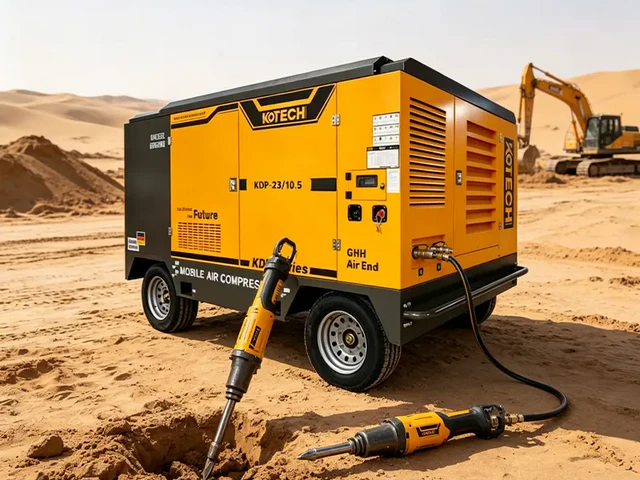
“Portable” can mean different things. For underground applications, units might need to be skid-mounted or designed for rail transport. For surface operations, robust trailer-mounted units are common. Evaluate the terrain, space constraints, and how frequently the unit needs to be moved.
Maintenance and Serviceability
Even the best equipment requires maintenance. Look for designs that allow for relatively easy access to service points without compromising the explosion-proof integrity. Availability of spare parts and local service support from the manufacturer or dealer is also crucial.
Total Cost of Ownership (TCO)
While the initial investment for an explosion-proof unit is higher than a standard compressor, focus on the TCO. Factor in fuel efficiency, maintenance costs, expected lifespan, and, critically, the cost of potential accidents or downtime if an uncertified unit is used. The long-term savings in safety and reliability far outweigh the upfront price difference.
The Future of Safe Air Power in Mining
The trend in mining equipment is clear: increasing automation, enhanced safety features, and greater efficiency. We’re seeing more integration of remote monitoring capabilities, allowing operators to track compressor performance and potential issues from a safe distance. Predictive maintenance algorithms are also becoming more sophisticated, helping to prevent failures before they occur. These advancements, coupled with an unwavering commitment to explosion-proof design, will continue to shape the next generation of portable diesel compressors for hazardous mining zones.