Effective Noise Reduction for Mining Air Compressors
The Unavoidable Truth: Why Mining Compressor Noise Matters
Air compressors, the workhorses of many mining sites, are indispensable. Yet, they are also prime culprits for generating intense, sustained noise. This isn’t just an annoyance; it’s a critical safety and operational issue. The constant roar from an industrial air compressor, often exceeding 100 dB, creates a hazardous environment.
Think about it: prolonged exposure to such levels doesn’t just make communication difficult; it causes permanent damage. The Centers for Disease Control and Prevention (CDC) reported in 2020 that approximately 22 million U.S. workers are exposed to hazardous noise levels at work annually. While this isn’t solely mining, our sector contributes significantly. A 2022 MSHA report highlighted that despite decades of regulations, hearing loss claims persist, underscoring the ongoing challenge. This isn’t just a statistic; it’s someone’s quality of life permanently impacted.
The pain points are real: high noise leads to worker fatigue, increased stress, and a higher risk of accidents because warnings aren’t heard. This directly impacts productivity and, frankly, your bottom line through compensation claims and potential regulatory fines.
Navigating the Regulatory Landscape
Compliance with noise regulations isn’t optional; it’s a legal and ethical imperative. In the United States, mining operations fall under the purview of both the Occupational Safety and Health Administration (OSHA) and, more specifically, MSHA.
OSHA’s general industry standard (29 CFR 1910.95) sets a Permissible Exposure Limit (PEL) of 90 dBA for an 8-hour Time-Weighted Average (TWA). When exposure exceeds this, employers must implement a hearing conservation program. However, MSHA’s regulations (30 CFR Part 62) are even more stringent and directly applicable to mining. MSHA’s PEL is also 90 dBA for an 8-hour TWA, but they have specific requirements for noise monitoring, audiometric testing, and hearing protection usage, especially when noise levels exceed 85 dBA (Action Level). Exceeding these limits without proper controls can lead to significant citations and penalties. For instance, a 2023 MSHA enforcement report detailed several large fines levied against mining companies for persistent noise violations.
International mining operations face similar, if not stricter, standards. For example, many European Union countries adhere to directives that mandate lower exposure action values and more comprehensive risk assessments for noise. Understanding the specific regulatory framework for your geographical location is the first step in effective noise management.
Proven Strategies for Noise Abatement
Effective mining air compressor noise reduction requires a multi-pronged strategy. There’s no single magic bullet, but rather a combination of engineering controls, administrative measures, and personal protective equipment.
Source Control: Tackling Noise at its Origin
The most effective approach is to reduce noise where it’s created.
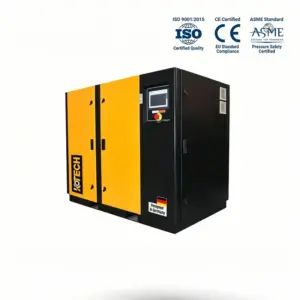
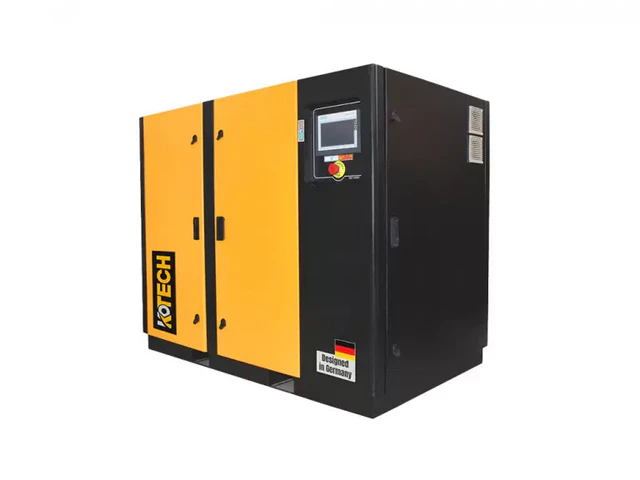
- Low-Noise Compressors: Modern air compressors are designed with noise reduction in mind. Look for models featuring advanced acoustic enclosures, optimized fan designs, and improved internal baffling. Specifying “low-noise industrial compressors” or “quiet mining air compressors” during procurement can significantly reduce baseline noise levels.
- Vibration Isolation: Compressors inherently vibrate, and this vibration often transmits through the floor or mounting structures, amplifying noise. Installing anti-vibration mounts, spring isolators, or rubber pads beneath the compressor can dramatically reduce structural noise transmission.
- Maintenance and Lubrication: A well-maintained compressor runs quieter. Worn bearings, loose components, or insufficient lubrication can all contribute to increased operational noise. Regular preventative maintenance, including checking and replacing worn parts, is fundamental.
Transmission Path Modification: Blocking the Sound
Once noise is generated, the next step is to prevent it from reaching workers.
- Acoustic Enclosures: Custom-designed “soundproof compressor enclosures” are highly effective. These typically feature sound-absorbing materials on the interior and a robust, airtight exterior. Ensure proper ventilation within the enclosure to prevent overheating, which can be a common oversight.
- Sound Barriers and Walls: Strategically placed acoustic barriers can block direct line-of-sight noise from compressors to work areas. These barriers need to be dense and tall enough to be effective.
- Duct Silencers: For compressors with intake or exhaust ducts, installing “industrial duct silencers” can significantly reduce noise propagating through these pathways.
Administrative Controls & PPE: Managing Exposure
While engineering controls are paramount, administrative measures and personal protective equipment (PPE) fill the gaps.
- Work Rotation: Limiting the time workers spend in high-noise areas helps keep their daily noise exposure below regulatory limits.
- Remote Operation: Where feasible, operating compressors from a sound-isolated control room or using remote monitoring systems can remove workers from the noise source entirely.
- Hearing Protection: Earplugs and earmuffs are the last line of defense. They must be properly fitted, maintained, and worn consistently to be effective. Relying solely on PPE, however, indicates a failure in implementing adequate engineering controls.
Advanced Technologies & Future Trends
The landscape of noise control is constantly evolving.
- Active Noise Cancellation (ANC): While more common in smaller applications, large-scale ANC systems are being explored for industrial environments. These systems generate “anti-noise” sound waves to cancel out specific frequencies, offering a more dynamic solution than passive absorption.
- Advanced Materials: Research into metamaterials and other novel acoustic materials promises even more effective and compact sound absorption and isolation solutions. These could lead to lighter, more efficient enclosures.
Addressing Specific Challenges & Limitations
It’s important to acknowledge that not every solution fits every scenario. For instance, while a full acoustic enclosure is ideal, it might not be practical in extremely confined underground mining spaces where airflow and accessibility are paramount. In such cases, focusing on direct source vibration isolation and specialized, compact silencers for intake/exhaust becomes crucial. Similarly, retrofitting older, large-scale compressors can be cost-prohibitive. For these legacy systems, a combination of targeted localized barriers, enhanced PPE programs, and strict work rotation schedules might be the most realistic approach, rather than a complete overhaul. The key is a thorough site-specific assessment.
Implementing a Comprehensive Noise Control Program
A robust noise control program isn’t a one-time fix; it’s an ongoing commitment. Here’s how to approach it:
- Conduct a Baseline Noise Assessment: Map out all noise sources, their levels, and worker exposure points. This establishes your starting point and identifies priority areas.
- Engineer Controls First: Prioritize engineering solutions—source control and transmission path modification—as they are the most effective and sustainable.
- Implement Administrative Controls: Use work scheduling, job rotation, and quiet zones to further reduce exposure.
- Provide and Enforce PPE: Ensure appropriate hearing protection is available, properly fitted, and consistently used.
- Regular Monitoring and Audiometric Testing: Continuously monitor noise levels and conduct regular hearing tests for all exposed workers to track effectiveness and detect any issues early.
- Worker Training and Education: Educate your workforce on the risks of noise, the importance of controls, and proper use of PPE.
- Review and Update: Regularly review your program’s effectiveness and update it as new technologies emerge or regulations change.
Frankly, skipping any of these steps is like trying to fix a leaky pipe with a band-aid. It might temporarily hold, but it won’t solve the underlying problem.