Optimizing Portable Air Compressor Use in Oilfield Construction
In the demanding world of oilfield construction, reliable, on-demand air power isn’t a luxury; it’s a fundamental operational necessity. Portable air compressors, specifically, are the unsung workhorses that keep projects moving, whether we’re talking about a remote drilling pad or a miles-long pipeline build-out. They provide the muscle for a vast array of tasks, directly influencing project timelines, safety, and overall cost-effectiveness. The right mobile compressed air solution can make or break a job on these challenging sites.
The Indispensable Role of Mobile Air Power in Today’s Energy Landscape
The global energy sector, particularly oil and gas, continues to drive significant construction activity, albeit with evolving priorities. Here, portable air compressors are not just convenient; they are central to project execution.
This growth signals a persistent need for robust, reliable, and increasingly specialized compressed air solutions capable of operating in the harshest conditions imaginable.
Core Challenges & Why Portable Air Compressors Deliver
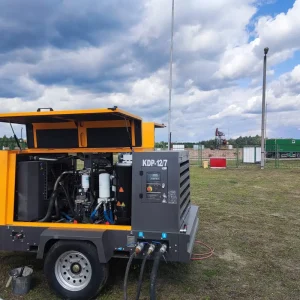
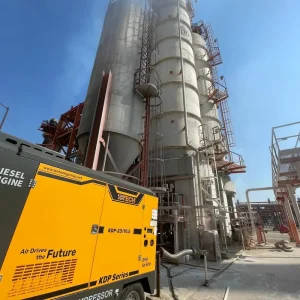
Oilfield construction sites present a unique gauntlet of challenges. We’re talking about extreme temperatures, abrasive dust, corrosive atmospheres, and often, highly remote locations with limited infrastructure. Stationary compressors are often impractical or impossible to deploy. This is precisely where portable units prove their worth. Their ability to move with the project, providing immediate air power where and when it’s needed, is unmatched.
From powering heavy-duty impact wrenches for assembling rig components to providing clean, dry air for sensitive instrumentation, these machines are the backbone of many operations. The flexibility offered by a mobile air compressor rental fleet, for instance, allows project managers to scale air supply up or down without the massive capital expenditure of purchasing specialized equipment for every single job. This agility is a huge advantage in an industry known for project scope changes.
Precision Applications: Where Mobile Compressors Shine in Oilfield Construction
Let’s get down to the brass tacks of where these portable powerhouses actually make a difference on an oilfield construction site.
Pipeline Integrity Testing
This is arguably one of the most critical applications. Before a new pipeline segment goes into service, it undergoes rigorous pressure testing—either hydrostatic (water) or pneumatic (air). Portable air compressors are essential for pneumatic testing, providing the high-volume, high-pressure air required to pressurize long sections of pipe. They’re also used for drying pipelines after hydrostatic testing, preventing internal corrosion. The stakes here are immense; a failed test or, worse, a leak in an operational pipeline, can lead to environmental disaster and massive financial penalties. The Pipeline and Hazardous Materials Safety Administration (PHMSA), for example, reported over 1,000 significant pipeline incidents between 2018 and 2022, underscoring the absolute necessity of flawless integrity testing.
Surface Preparation and Coating Applications
Before any protective coating is applied to pipes, tanks, or structural steel, the surface must be meticulously cleaned. Sandblasting (or grit blasting) is a common method, and it demands a consistent, high-volume supply of dry, oil-free compressed air. Portable units are ideal for this, allowing crews to prepare large surfaces efficiently on-site. Following blasting, pneumatic paint sprayers, also air-powered, apply corrosion-resistant coatings, crucial for the longevity of infrastructure in harsh oilfield environments.
Powering Heavy-Duty Pneumatic Tools
From the moment ground is broken, pneumatic tools are everywhere. Impact wrenches for bolting up flanges, chipping hammers for breaking rock, grinders for metal fabrication, and drills for structural work all rely on compressed air. These tools offer superior power-to-weight ratios and are often safer in hazardous environments compared to electric tools, as they don’t produce sparks. A reliable air compressor ensures these tools operate at peak efficiency, preventing slowdowns.
Instrumentation and Control Systems
Many critical control systems on well sites, including pneumatic actuators for valves and various instrumentation, require a steady supply of clean, dry instrument air. Portable compressors equipped with appropriate filtration and drying systems can provide this essential utility, ensuring the precise operation of automated processes and safety systems.
Drilling Fluid Agitation and Mud Mixing
During drilling operations, maintaining the consistency of drilling mud is vital. Compressed air can be used for agitation in mud pits, ensuring solids remain suspended and additives are thoroughly mixed. While specialized mud pumps handle the primary circulation, air can play a supplementary role in certain mixing and transfer applications.
Navigating Equipment Selection: When & When Not to Opt for Portables
Choosing the right portable air compressor isn’t just about horsepower. It involves a nuanced assessment of several factors. For instance, if you’re dealing with a long-term, fixed-location project with easy access to utility power, a high-capacity electric stationary unit might be more cost-effective in the long run due to lower operating costs and reduced emissions. However, for the vast majority of oilfield construction scenarios, mobility is paramount.
When selecting a portable unit, consider the following:
- CFM (Cubic Feet per Minute) & PSI (Pounds per Square Inch): Match these to the cumulative requirements of all tools and processes that will run simultaneously. Undersizing leads to poor tool performance and downtime.
- Fuel Type: Diesel is the dominant choice for remote oilfield sites due to its availability and energy density, but electric portables are gaining traction for specific applications where grid power or large generators are accessible, offering quieter operation and zero emissions at the point of use.
- Hazardous Location Compliance: This is non-negotiable. Many oilfield environments are classified as hazardous (e.g., Class 1 Division 2). Compressors for these areas must be specifically designed and certified to prevent ignition of flammable gases or vapors. Failing to comply here isn’t just a regulatory issue; it’s a catastrophic safety risk.
- Environmental Robustness: Look for features like heavy-duty enclosures, cold-weather packages, and advanced filtration to withstand dust, extreme temperatures, and moisture.
It’s a false economy every single time.
Best Practices for Deployment & Maintenance in Demanding Environments
Even the best equipment fails without proper deployment and maintenance. In oilfield construction, these practices are elevated to an art form due to the harsh conditions.
Strategic Placement & Security
Position portable compressors on level ground, away from heavy traffic or potential impact zones. Ensure adequate ventilation to prevent overheating. Security is also a concern; these are valuable assets, so securing them against theft or vandalism is essential, especially on remote sites.
Fuel Management & Air Quality
Consistent, clean fuel supply is vital for diesel compressors. Implement strict protocols for fuel storage and transfer to prevent contamination. For applications requiring clean, dry air (like instrumentation or painting), ensure filters and dryers are regularly inspected and maintained. Moisture and oil carryover can ruin sensitive equipment and compromise coating quality.
Proactive Maintenance Schedules
This is where experience truly pays off. Follow manufacturer-recommended service intervals rigorously, but also adapt them based on actual operating conditions. In dusty oilfield environments, air filters might need daily checks and more frequent replacement. Oil changes, fluid level checks, and hose inspections should be part of a daily pre-shift routine.
Investing in operator training is also crucial. A well-trained operator can spot potential issues before they escalate, saving significant time and money.
The Future of Oilfield Air Compression: Efficiency and Integration
The industry is continuously evolving. We’re seeing a push towards more fuel-efficient compressors, often incorporating advanced engine management systems and variable speed drives to match air output precisely to demand. Telematics and IoT integration are also becoming standard, allowing for remote monitoring of compressor performance, fuel levels, and maintenance alerts. This data-driven approach promises to further optimize uptime and reduce operational costs, making portable air compressors even more effective tools for oilfield construction work.