
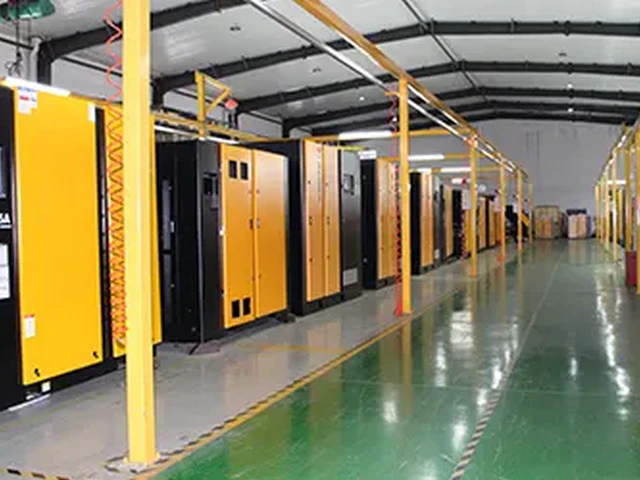
Maximizing Textile Production with Advanced Air Compression
Look, if you’re running a textile factory today, your compressed air system isn’t just a utility; it’s a major energy sink and a critical driver of production quality. It’s not just about raw power; it’s about smarter, cooler air delivery that directly translates to your bottom line.
The Undeniable Case for Two-Stage: Beyond Raw Power
The primary goal in any textile operation is efficiency: produce more, use less, maintain quality. Compressed air, powering everything from air jet looms to dyeing machines and pneumatic controls, is a huge part of that equation. Single-stage compressors, while cheaper upfront, often fall short in demanding environments. They compress air in one go, generating more heat and requiring more energy for the same output.
Two-stage systems, conversely, divide the compression process. Air is compressed to an intermediate pressure in the first stage, then cooled by an intercooler, and finally compressed to the desired pressure in the second stage. It reduces the heat of compression, making the second stage more efficient and lowering the overall energy consumption. Less heat also means less thermal stress on components, which is a big win for longevity and reliability. We’re talking about a system that works smarter, not just harder, to deliver the pneumatic power your textile machinery demands.
Quantifying the Impact: Real-World Data & ROI
The benefits of two-stage compression aren’t just theoretical; they’re measurable and impactful on your operational expenditure (OpEx). Energy costs are a notorious pain point for textile factories, where compressed air can account for a substantial portion of the total electricity bill.
In energy-intensive sectors like textiles, this percentage can be even higher. Upgrading to a two-stage system can significantly reduce this load.
Furthermore, the cooler discharge temperatures from two-stage units reduce the load on downstream air treatment equipment, like dryers and filters. This extends the life of those components and reduces the risk of moisture contamination, which can cause significant damage to sensitive textile machinery and affect product quality.
The Engineering Behind the Savings: Why Two Stages Work
The magic happens with the intercooler. When air is compressed, its temperature rises. Hot air is less dense, meaning more energy is required to compress it further. By cooling the air between compression stages, the volume of air entering the second stage is reduced. This allows the second stage to work with a smaller volume of cooler, denser air, requiring less horsepower to reach the final pressure. This process, known as intercooling, brings the compression closer to an ideal isothermal compression, which is the most thermodynamically efficient way to compress gas.
Think about it: less heat generated translates directly to less energy wasted. This also means the compressor components themselves operate at lower temperatures. Lower operating temperatures significantly reduce thermal stress on bearings, rotors, and seals. This directly extends the lifespan of the compressor package and reduces the frequency of costly maintenance and unexpected breakdowns. For a textile factory relying on continuous operation, this boost in reliability is invaluable.
When Single-Stage Still Makes Sense: A Critical Boundary
While two-stage compressors offer compelling advantages, they aren’t always the universal answer. For smaller textile operations with highly intermittent air demands, or applications requiring very low pressure (e.g., specific aeration tasks not tied to production machinery), a single-stage unit might still be a more cost-effective initial investment. The capital cost of a two-stage compressor is generally higher. If your total compressed air usage is minimal, or if the demand fluctuates wildly with long periods of no activity, the return on investment for a two-stage system might take longer to materialize. Only when there’s a consistent, high demand for compressed air, typically above 100 horsepower and running for most of the workday, do the efficiency and reliability benefits of two-stage systems truly shine and justify the higher upfront cost. It’s all about matching the technology to the application’s actual needs, not just chasing the latest trend.
Implementing Two-Stage Systems: Practical Steps for Textile Operations
Making the switch to a two-stage system requires careful planning, but the payoff is substantial. Here are some actionable steps:
- **Conduct a Comprehensive Air Audit:** Before anything else, understand your current air demand, pressure requirements, and leakage points. A professional audit will identify your true needs and help size the new system correctly. Oversizing is a common, expensive mistake.
- **Integrate Variable Speed Drives (VSD):** For textile factories with fluctuating production schedules, a two-stage VSD compressor is the ultimate combination. VSD technology adjusts motor speed to match air demand, preventing wasted energy from unloaded compressor operation. This is especially critical in dyeing and finishing plants where air demand can vary significantly throughout a batch process.
- **Prioritize Air Treatment:** Even with cooler discharge, proper air drying and filtration are non-negotiable for textile applications. Invest in refrigerated or desiccant dryers, and high-quality particulate and oil removal filters to protect sensitive pneumatic components and ensure product integrity.
- **Establish a Robust Maintenance Schedule:** Even the best equipment needs care. Regular checks, oil changes, and filter replacements are crucial for maintaining peak efficiency and preventing premature wear. Leverage predictive maintenance technologies if possible; many modern compressors now offer remote monitoring capabilities.
- **Consider Heat Recovery:** Two-stage compressors still generate heat, just less of it. This waste heat can often be recovered and used for other processes in the textile factory, such as heating water for dyeing or space heating, further boosting overall energy efficiency. This is a crucial step towards true operational sustainability.





