Maximizing Efficiency and Profitability in Plastic Injection Molding with Two-Stage Compressors
Why Dual-Stage Compression is Non-Negotiable in Modern Molding
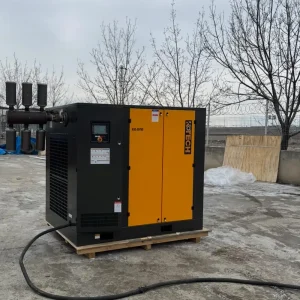
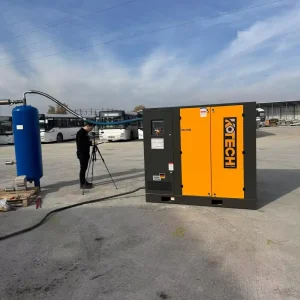
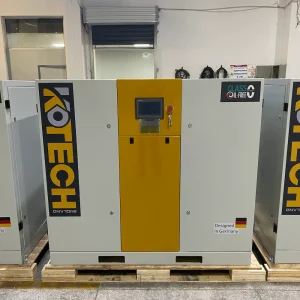
Let’s cut right to it: if you’re running a plastic injection molding facility and not seriously evaluating dual-stage air compressors, you’re leaving money on the table, plain and simple. In our line of work, where margins are often tight and uptime is king, the air system isn’t just a utility; it’s a strategic asset. The days of treating compressed air as an afterthought are long gone. The pressure requirements for mold clamping, part ejection, and pneumatic controls demand not just volume, but consistent pressure and quality.
A single-stage compressor simply can’t match the efficiency or stability of a multi-stage unit for the sustained, high-pressure demands of injection molding. The core issue boils down to how these machines convert electrical energy into pneumatic power. Single-stage units compress air in one go, generating more heat and requiring more energy to reach target pressures. Dual-stage compressors, however, divide the compression process into two steps with intercooling, which drastically improves thermal efficiency. This isn’t just theory; it’s a measurable difference on your power bill.
The Hard Numbers: Energy Savings and ROI
Electricity is typically the largest operating expense after labor in many molding operations. This is where dual-stage systems shine. For injection molding, it’s often on the higher end due to continuous demand.
Consider a medium-sized facility running a 100 HP air compressor for 6,000 hours a year. That kind of return on investment (ROI) makes the slightly higher upfront cost of a multi-stage unit a no-brainer. Frankly, any plant not exploring this is missing a huge opportunity to boost their bottom line and gain a competitive edge.
Maintenance costs also factor in. This directly impacts your operational budget and reduces costly downtime.
Beyond the Bill: Operational Advantages and Performance
Beyond the obvious energy savings, the operational benefits of dual-stage air compressors are crucial for consistent, high-quality plastic parts.
Stable Pressure Delivery
Injection molding requires precise and stable air pressure for various pneumatic components—think robot grippers, valve gates, and ejector pins. Fluctuations in air pressure can lead to inconsistencies in part quality, flashing, short shots, or even damage to expensive molds. Two-stage systems inherently provide a more stable air supply because the compression process is more controlled and efficient, leading to less pressure drop and more consistent performance at the point of use. This directly improves your scrap rate and product consistency.
Enhanced Air Quality
Intercooling in two-stage compressors reduces the air temperature between compression stages. Cooler air carries less moisture, which is critical for downstream air treatment. While dryers and filters are still essential, starting with cooler, drier air from the compressor reduces the load on these components, extending their life and improving overall compressed air quality. Contaminants like water and oil vapor can wreak havoc on sensitive pneumatic valves and cylinders, leading to premature wear and costly repairs.
Reduced Wear and Tear
Lower operating temperatures within the compressor itself mean less thermal stress on internal components. This translates to extended lifespan for bearings, seals, and rotors. For anyone who’s dealt with compressor rebuilds or early failures, the value of reduced wear is undeniable. It means less unexpected downtime, lower replacement part costs, and a more reliable production schedule. From our experience, these machines just run harder, longer.
When Single-Stage Still Makes Sense (And When It Doesn't)
They have their place, primarily in applications with intermittent demand, lower pressure requirements, or smaller scale operations where the upfront capital cost is the absolute primary concern and energy consumption isn’t a major factor. Think small workshops, hobbyists, or very light-duty industrial tasks.
However, for plastic injection molding, particularly in continuous, high-volume production environments, a single-stage unit is almost always a false economy. The energy penalty, coupled with potential pressure instability issues that impact part quality, quickly negates any initial cost savings. If your operation depends on consistent, high-quality output and you’re running your compressor for more than a few hours a day, a single-stage system will cost you more in the long run. It’s simply not designed for the sustained, demanding environment of a modern molding plant.
Implementing a Two-Stage System: Practical Considerations
When you’re ready to upgrade or install a new system, there are a few practical points to consider.
Sizing and Demand Analysis
Don’t just replace like-for-like. Conduct a thorough compressed air audit to understand your actual demand profile. Many facilities are running oversized compressors, leading to inefficient cycling. A properly sized two-stage compressor, often with variable speed drive (VSD) technology, can further optimize energy use by matching air output precisely to demand.
Air Treatment Integration
While multi-stage compressors deliver cooler, drier air, robust air treatment is still paramount. This includes refrigerated or desiccant dryers, particulate filters, and oil removal filters, especially if your molding process is sensitive to air quality. Integrating these components correctly ensures a complete, reliable system.
Installation and Maintenance
Ensure proper installation by certified technicians. Regular preventive maintenance is non-negotiable for maximizing the lifespan and efficiency of any compressor, but especially a high-performance two-stage unit. This includes routine oil changes, filter replacements, and monitoring for leaks in the distribution system. A small leak can negate significant energy savings.
Future-Proofing Your Operations
The trend in manufacturing is towards greater automation, precision, and sustainability. Two-stage compressors align perfectly with these goals. By delivering reliable, energy-efficient compressed air, they support advanced robotic systems, intricate mold designs, and stringent quality control standards. As energy prices continue to fluctuate and environmental regulations tighten, investing in efficient technology like multi-stage compression isn’t just about saving money today; it’s about building a resilient, future-proof operation. It’s a foundational element for any serious player in the plastics industry.