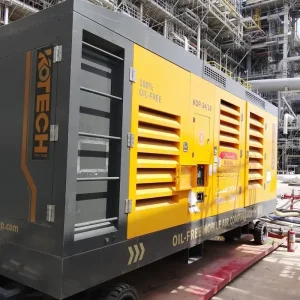
The Unseen Threat: Why Oil-Free Air is Non-Negotiable for High-Purity Minerals
Why Oil-Free is Non-Negotiable for Sensitive Mineral Processing
Let’s cut to the chase: if you’re processing sensitive minerals, oil contamination from your compressed air system isn’t just a risk; it’s a ticking time bomb. It compromises product purity, triggers expensive rework, and can fundamentally undermine your market reputation. For operations dealing with high-value minerals like lithium, rare earths, or specialized industrial sands, ensuring an absolutely clean air supply is no longer a luxury. It’s an operational imperative that directly impacts your profitability and competitive edge.
Traditional oil-lubricated compressors, even with robust filtration, always carry the inherent risk of oil carryover. This microscopic oil mist can infiltrate your product streams, affecting flotation cells, drying processes, and pneumatic instrumentation. The consequences range from subtle quality degradation to outright batch rejection, costing millions in lost revenue and processing time.
The Hidden Costs of Contamination: Data Doesn’t Lie
The true cost of oil contamination extends far beyond the visible. We’re talking about compromised end-product quality, which can lead to customer rejections, warranty claims, and even regulatory fines. This signals a clear industry shift towards cleaner air solutions.
Consider the impact on downstream equipment. Oil mist can foul delicate instruments, clog pneumatic lines, and degrade the performance of air-actuated valves, leading to increased maintenance and premature equipment failure.
The cost of remediation for contaminated mineral batches can be astronomical. While direct mining data on this specific issue is harder to isolate, the principle holds: compromise purity, pay dearly.
Operational Purity: Beyond Regulatory Compliance
While regulatory compliance is a significant driver, the benefits of oil-free compressed air extend into core operational excellence. Implementing oil-free solutions ensures consistent product quality, which is crucial for meeting stringent client specifications and securing long-term contracts for high-purity minerals. This isn’t merely about avoiding penalties; it’s about building a reputation for reliability and quality that sets you apart.
Furthermore, the environmental benefits align perfectly with growing ESG (Environmental, Social, and Governance) pressures. Oil-free compressors eliminate the need for costly oil disposal and significantly reduce the environmental footprint associated with potential oil spills or mist emissions. This commitment to cleaner operations can enhance your social license to operate, a critical factor in today’s mining landscape. It demonstrates a forward-thinking approach to sustainability, which is increasingly valued by investors and communities alike.
When Not to Go Oil-Free: Understanding the Edge Cases
Now, it’s important to acknowledge that oil-free isn’t a universal panacea for every single mining application. For instance, in very basic, non-sensitive bulk material handling or extremely remote, low-cost operations where purity is not a factor whatsoever, and capital expenditure is severely constrained, a well-maintained oil-lubricated compressor with basic filtration might still be considered. However, these scenarios are becoming increasingly rare as industry standards evolve.
The key differentiator is the “sensitive mineral processing” aspect of our discussion. If your process involves any stage where oil contamination could degrade the final product’s chemical composition, physical properties, or market value, then oil-free is the only truly viable option. Frankly, the long-term risks and hidden costs of even minor contamination almost always outweigh the initial capital savings of an oil-lubricated unit in these sensitive applications.
Implementing Oil-Free: A Strategic Playbook
Transitioning to oil-free mining air compressors requires a strategic approach, not just a simple equipment swap. Start by thoroughly assessing your current air quality requirements and future needs. What ISO 8573-1 air quality class do you truly need? What are your peak flow rates and pressure demands? These questions are fundamental.
Next, evaluate the total cost of ownership (TCO). While the initial capital outlay for an oil-free unit might be higher, consider the long-term savings. You’ll also see lower maintenance costs due to fewer oil changes, less frequent filter replacements, and extended lifespan for downstream pneumatic tools.
Integration is another critical factor. Ensure your new oil-free system can seamlessly connect with your existing infrastructure, including piping, dryers, and receivers. Don’t overlook the importance of proper sizing and system design to avoid bottlenecks or inefficiencies. Partnering with a reputable compressed air system provider who understands the unique demands of mining environments is essential for a smooth transition and optimized performance.
The Future of Mining Air: Sustainability and Smart Operations
The trajectory for mining air compression points towards greater sustainability, efficiency, and intelligence. We’re seeing more integration of IoT and predictive maintenance into oil-free compressor systems. This allows for real-time monitoring of performance, proactive issue identification, and optimized energy usage, further enhancing the operational benefits.
Investing in oil-free technology isn’t just about solving a contamination problem; it’s about future-proofing your mining operation. It aligns with global trends towards cleaner industrial processes, stricter environmental stewardship, and the relentless pursuit of higher-purity materials. For any mining operation involved in sensitive mineral processing, making the shift to oil-free is not just a smart move, it’s an indispensable one for long-term viability and success.