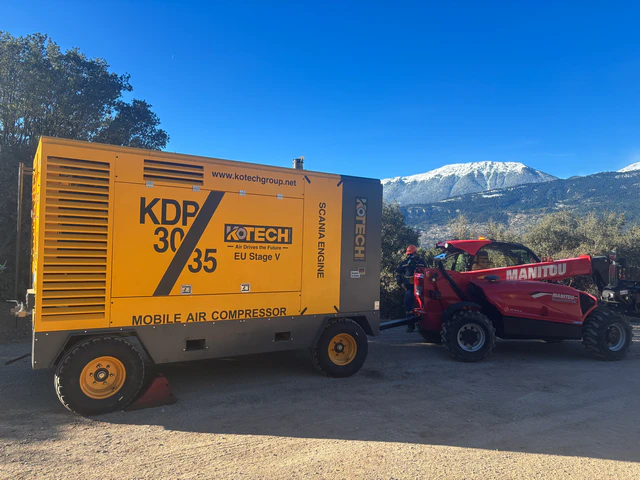
Unlocking Uptime: The Unseen Value of Durable Diesel Air Compressors in Mining
The mining sector, by its very nature, is an arena of extremes. Equipment here isn’t just working; it’s battling dust, vibration, temperature swings, and isolation daily. In this relentless environment, a reliable air compressor isn’t a luxury; it’s the heartbeat of operations, powering everything from rock drills and pneumatic tools to ventilation systems. When we talk about durable diesel-powered air compressors for mining applications, we’re discussing mission-critical assets that directly impact safety, productivity, and profitability.
Why Robust Diesel Compressors Are Non-Negotiable for Mining
Mining environments are notoriously tough. Surface mines contend with abrasive dust, wide temperature ranges, and heavy vibrations from blasting and haulage. Underground operations add humidity, confined spaces, and the ever-present risk of methane. Standard industrial compressors simply don’t cut it. They fail prematurely, leading to costly interruptions.
The financial implications of equipment failure are staggering. Diesel-powered units provide the necessary independence for remote sites, where grid power is either nonexistent or unreliable. Their self-contained nature means they can be deployed wherever needed, from initial exploration drilling to full-scale production pits, delivering consistent pneumatic power without external electrical infrastructure.
Critical Features Defining True Mining Durability
Real durability in a mining air compressor extends far beyond a thick coat of paint. It’s engineered into every component. You need a machine that’s not just tough, but smart about how it handles stress.
Heavy-Duty Chassis and Enclosures
A robust, skid-mounted chassis is fundamental. This isn’t just for transport; it absorbs constant shock and vibration, protecting internal components. Enclosures should be fabricated from high-gauge steel, designed to resist impact damage and provide superior protection against ingress of dust, moisture, and debris. Consider units with reinforced lifting points and tow bars, built for the rough treatment common on mine sites.
Advanced Filtration Systems
Dust is the enemy. Both the engine and the compressor air-end require multi-stage, heavy-duty filtration. Engine air filters should feature pre-cleaners and safety elements, extending service intervals in dusty conditions. For the compressed air output, robust aftercoolers and moisture separators are essential, preventing water ingress into pneumatic tools and processes, which can cause corrosion and premature wear. Fuel filtration is equally critical, especially when sourcing diesel from various on-site tanks.
Engine Reliability and Performance
The diesel engine is the heart of the system. Look for industrial-grade engines from reputable manufacturers known for their reliability and global service networks. Fuel efficiency is a major driver of operational cost. The U.S. Energy Information Administration (EIA) reported significant volatility in diesel fuel prices throughout 2023, directly impacting operational budgets for heavy machinery. A compressor with an optimized engine and intelligent control system can significantly reduce fuel burn, translating into substantial savings over its lifespan.
Serviceability and Accessibility
A durable machine that’s impossible to service quickly is still a liability. Ease of maintenance is a cornerstone of true durability. Access panels for filters, fluid checks, and major service points should be generous and user-friendly. Quick-drain systems for oil and coolant save time. Design for maintainability reduces mean time to repair (MTTR), directly boosting uptime.
Navigating Operational Challenges with the Right Compressor
The selection process isn’t just about raw power; it’s about fit and foresight. A unit’s compatibility with existing tools and its adherence to safety protocols are paramount.
Powering Essential Mining Tools
Air compressors are versatile workhorses. They power rock drills, down-the-hole (DTH) hammers, blast hole drilling rigs, and shotcrete machines in underground operations. On the surface, they’re critical for exploration drilling, pneumatic conveying systems, and powering heavy-duty impact wrenches for equipment maintenance. Matching CFM (cubic feet per minute) and PSI (pounds per square inch) to the specific tools and applications is critical. Over-specifying can lead to unnecessary fuel consumption, while under-specifying results in poor tool performance and frustration.
Safety and Compliance Considerations
Safety is non-negotiable in mining. MSHA (Mine Safety and Health Administration) data consistently highlights equipment-related incidents as a leading cause of injuries. Compressor design must integrate safety features like emergency stops, pressure relief valves, and robust guarding. Beyond immediate safety, environmental compliance is increasingly stringent. Modern diesel engines must meet Tier 4 Final or equivalent emissions standards, reducing particulate matter and nitrogen oxides. Ignoring these regulations isn’t an option; fines and operational shutdowns are real consequences.
Total Cost of Ownership (TCO) vs. Initial Investment
While a low initial purchase price might seem attractive, it’s often a false economy in mining. A cheaper, less robust unit will invariably incur higher operational costs through increased fuel consumption, frequent breakdowns, and expensive parts replacements. Conversely, a high-quality, durable diesel compressor, while requiring a larger upfront investment, offers a lower Total Cost of Ownership (TCO) over its operational life. This is where the long-term view pays off. For instance, in a small, short-term surface exploration project that’s only running for a few weeks, a rental unit might make more sense than a capital purchase. But for continuous production over years, investing in top-tier durability is the only viable strategy.
Strategic Sourcing and Deployment: Practical Steps
Choosing the right compressor is only half the battle. How you acquire and manage it dictates its true value.
Assessing Your Specific Site Needs
Before even looking at models, conduct a thorough audit of your air requirements. What tools will be powered? What is the maximum simultaneous air demand? What are the ambient temperatures and altitudes? These factors directly influence compressor sizing and engine performance. Don’t guess; calculate. Consult with reputable suppliers who understand mining-specific challenges.
Considering Rental vs. Purchase for Flexibility
For fluctuating demands, short-term projects, or capital conservation, renting durable diesel compressors can be an excellent option. It allows access to the latest technology without the upfront investment and maintenance burden. For sustained, high-demand operations, purchasing offers long-term cost savings and greater control over maintenance schedules and customization. Weigh your capital expenditure budget against your operational flexibility needs.
Implementing Proactive Maintenance Schedules
Even the most durable compressor won’t last without diligent maintenance. Implement a strict preventive maintenance schedule, adhering to manufacturer guidelines. This includes regular oil changes, filter replacements, and system checks. Predictive maintenance technologies, using sensors to monitor vital signs like vibration and temperature, can anticipate failures before they occur, scheduling interventions during planned downtime rather than reacting to catastrophic breakdowns.