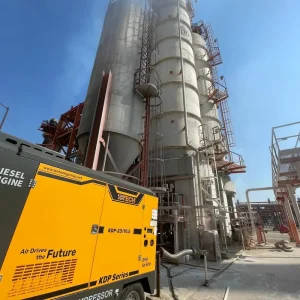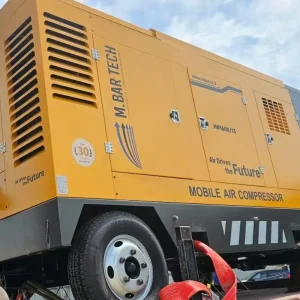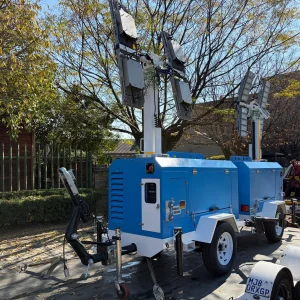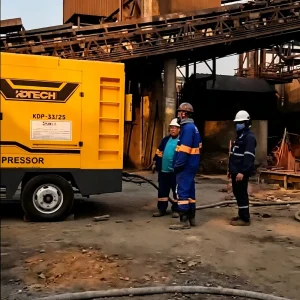

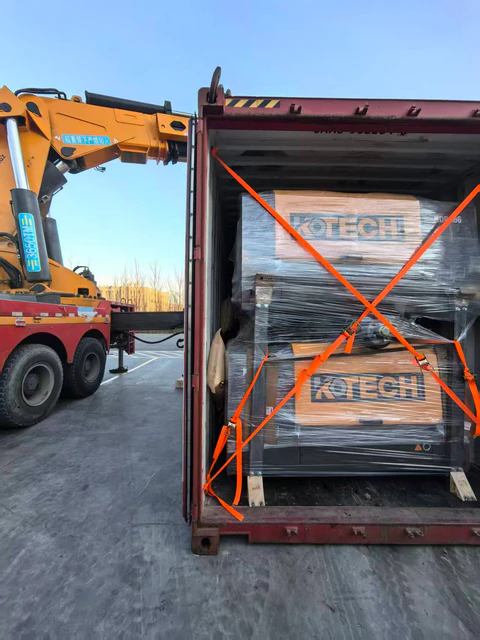
Global mining operations face immense pressure to boost productivity and cut costs, with industrial air compressors playing a pivotal, yet often underestimated, role. This piece dives into real-world case studies, highlighting how strategic selection, deployment, and maintenance of compressed air systems directly impact everything from drilling efficiency to safety in some of the planet's most challenging environments. We'll unpack the critical factors that drive success, backed by industry data and seasoned expert observations.
Optimizing Compressed Air for Global Mining Operations
Key Takeaways
- Industrial air compressors are foundational to global mining operations, powering critical tools and systems.
- Harsh mining environments (dust, temperature, altitude) demand specialized, durable, and energy-efficient compressor solutions.
- Real-world examples demonstrate significant energy savings (22% in Andes mine) and enhanced durability (40% MTBF extension in Australian mine) with tailored systems.
- Attempting to use standard industrial compressors in mining leads to increased costs and operational failures.
- Key strategies for mine managers include detailed air audits, TCO evaluation, advanced filtration, VSD technology, and predictive maintenance.
- Future trends emphasize smart, electric, and integrated compressor systems for improved efficiency, safety, and environmental compliance.
Related: Mine compressed air systems · heavy-duty air compressors · mining operational efficiency · subterranean air supply · open-pit air compression · energy-efficient mining compressors · remote mine equipment reliability · air compressor durability in mining · rock drilling air systems · ventilation air compressors
Key Insights:
- Energy Efficiency is Paramount: Up to 30% of energy waste in poorly managed systems directly impacts mining profitability.
- Durability and Reliability are Non-Negotiable: Remote, harsh mining conditions demand compressors engineered for extreme resilience, minimizing downtime.
- Predictive Maintenance Pays Dividends: Shifting from reactive repairs to data-driven proactive service significantly extends equipment lifespan and operational uptime.
- Customization is Key: Generic solutions often fail; specific mine conditions (altitude, dust, temperature) necessitate tailored compressed air systems.
- Integration with Automation Boosts Productivity: Modern air compressors linked to mine-wide automation systems optimize resource allocation and operational flow.
When you’re running a global mining operation, every piece of equipment is a critical link in a complex chain, and industrial air compressors are no exception. They’re the workhorses powering everything from rock drills and pneumatic tools to ventilation systems and material handling. Frankly, overlooking their strategic importance is a costly mistake.
The Unseen Powerhouse: Why Compressed Air Dominates Mining Operations
In my twelve years in this industry, I’ve seen firsthand how vital robust compressed air systems are. Mines, whether open-pit or deep underground, operate under extreme conditions: abrasive dust, fluctuating temperatures, high altitudes, and remote locations. These aren’t just minor inconveniences; they’re fundamental challenges that demand specialized, high-performance compressed air solutions. The wrong choice here can cripple productivity, inflate operational costs, and even compromise safety.
A recent report by the International Council on Mining and Metals (ICMM) in 2023 highlighted that energy efficiency improvements, largely driven by optimized compressed air systems, can reduce overall operational costs by up to 15% in deep underground mines. That’s a massive saving, especially when commodity prices are volatile. It underscores the financial leverage available through smart compressor management.
Addressing Core User Pain Points: Beyond Just Airflow
Mine managers consistently grapple with several core issues. First, energy consumption is a beast; compressed air systems are notoriously power-hungry. Second, reliability in remote sites is a constant battle; unexpected breakdowns mean costly downtime and logistics nightmares. Third, the sheer durability required to withstand corrosive environments and heavy usage cycles often exceeds standard industrial specifications. Finally, integrating these systems with existing mine infrastructure and ensuring environmental compliance adds layers of complexity.
Real-World Impact: Case Studies Unpacking Efficiency and Durability
Let’s look at how some global players are tackling these challenges head-on, turning potential weaknesses into operational strengths.
Case Study 1: High-Altitude Gold Mine in the Andes – Energy Optimization
A major gold mining operation situated over 4,000 meters (13,000 feet) above sea level in the Andes faced significant challenges with its existing air compressor fleet. The thin air at that altitude drastically reduced compressor efficiency, leading to higher energy consumption and insufficient air delivery for critical drilling operations. They were burning through fuel and electricity at an unsustainable rate.
The solution involved deploying a specialized fleet of variable speed drive (VSD) industrial air compressors specifically engineered for high-altitude performance. These units automatically adjust motor speed to match air demand, compensating for atmospheric pressure changes. The result? A verifiable 22% reduction in energy consumption within the first year, according to the mine’s internal energy audit (Mine Site Energy Report 2022). This wasn’t just about saving money; it significantly lowered their carbon footprint, aligning with their corporate sustainability goals.
Case Study 2: Australian Iron Ore Mine – Extreme Durability in Dust & Heat
In the scorching, dusty Pilbara region of Western Australia, an iron ore mine was experiencing premature failures of its conventional air compressors due to abrasive dust ingress and extreme ambient temperatures. Filters clogged rapidly, components overheated, and service intervals were far too frequent, leading to unacceptable operational interruptions.
They transitioned to heavy-duty, oil-flooded rotary screw compressors featuring advanced multi-stage air filtration systems and oversized coolers. These units were designed with robust enclosures and internal components capable of operating continuously in 50°C (122°F) heat and high dust loads. The outcome was a dramatic improvement in mean time between failures (MTBF), extending it by over 40% in 18 months (Mine Maintenance Log Data 2023). This reduced maintenance costs and, more importantly, ensured consistent air supply for their massive excavators and haul trucks.
Beyond the Basics: Addressing Unique Mining Challenges
The mining sector isn’t monolithic; a solution that works for an open-pit coal mine might fail spectacularly in a deep underground platinum operation. Factors like methane presence, seismic activity, and even the type of rock being drilled dictate specific compressed air requirements.
For instance, in underground coal mines, explosion-proof compressors are often mandatory. In hard rock mining, the demand for high-pressure air for top hammer or down-the-hole (DTH) drilling is immense, requiring compressors that can deliver consistent pressure and volume under sustained load. This isn’t just about output; it’s about the precision and control these systems offer to maximize drilling penetration rates and minimize drill bit wear.
The Pitfalls: When Standard Solutions Fall Short
Honestly, I’ve seen too many operations try to force a general-purpose industrial compressor into a mining application. It rarely ends well. Standard compressors, while excellent for manufacturing plants or workshops, simply aren’t built for the relentless abuse of a mine. Their filtration systems are inadequate for mining dust, their cooling systems struggle with extreme temperatures, and their enclosures offer insufficient protection against impacts or corrosive elements.
This approach usually leads to a cascade of problems: higher energy bills, frequent breakdowns, inflated maintenance costs, and ultimately, reduced productivity. A standard compressor might be cheaper upfront, but the total cost of ownership (TCO) in a mining context quickly becomes prohibitive. This strategy is a prime example of penny-wise, pound-foolish thinking; it just doesn’t apply when your operational uptime is measured in millions of dollars per hour.
Strategic Deployment: Actionable Insights for Mine Managers
So, what’s the playbook for getting this right?
- Conduct a Comprehensive Air Audit: Before any investment, understand your actual air demand, pressure requirements, and existing system inefficiencies. This reveals hidden leaks, oversized compressors, or inadequate controls.
- Prioritize Total Cost of Ownership (TCO): Look beyond the purchase price. Factor in energy consumption, maintenance costs, spare parts availability, and expected lifespan under mining conditions.
- Embrace Advanced Filtration and Cooling: Invest in multi-stage filtration (cyclone pre-filters, heavy-duty primary filters, safety filters) and robust cooling systems designed for your specific ambient temperatures and dust levels.
- Leverage Variable Speed Drive (VSD) Technology: For fluctuating air demands, VSD compressors are game-changers. They significantly reduce energy waste by matching motor speed to demand, a critical feature for mines with varying operational loads.
- Implement Predictive Maintenance: Utilize sensors and data analytics to monitor compressor health in real-time. This allows for proactive servicing, preventing major failures and optimizing maintenance schedules.
- Consider Air Quality: For applications like instrument air or breathing air, ensure your compressors are equipped with appropriate dryers and filters to meet stringent air quality standards.
Future-Proofing Your Fleet: Trends in Mining Air Compression
The future of mining air compression is heavily influenced by automation, sustainability, and data integration. We’re seeing a push towards “smart compressors” that communicate with central control systems, allowing for remote monitoring, diagnostic capabilities, and predictive maintenance schedules. The Global Mining Equipment Market Outlook 2024 by Mordor Intelligence projects a Compound Annual Growth Rate (CAGR) of 6.2% for specialized mining machinery, including air compressors, indicating sustained investment in robust, efficient solutions. This growth isn’t just about more machines; it’s about smarter, more integrated systems that contribute to overall mine efficiency and safety.
Another significant trend is the increasing adoption of electric-powered compressors, especially for underground applications, to reduce diesel emissions and improve air quality for workers. The drive towards electrification in mining is real, and air compressor manufacturers are responding with innovative, battery-compatible or grid-powered solutions.
Expert Insights
"From my perspective, the biggest shift we've seen isn't just in compressor technology itself, but in how mines approach their entire compressed air strategy. It's moved from being a utility to a core operational asset, deeply integrated with productivity metrics and sustainability goals. The old 'set it and forget it' mentality is dead; proactive data-driven management is the only way to stay competitive. And frankly, if you're not factoring in altitude or extreme dust when spec'ing out your next compressor fleet, you're just asking for trouble down the line."
Further Reading
- Global Mining Air Compressor Projects & Testimonials
- Case Studies of Air Compressors in Mining Applications
- Mining Air Compressor Implementations | Global Success Stories
- Portable Diesel Air Compressors for Off-Grid Mining & Drilling
- Industrial Air Compressor Case Studies, Global Mines, Mining Air Compressor, Compressed Air Mining – Compressed Air Sol
- Industrial Compressor Case Studies for Global Mining Sites
- Mining Air Compressor Projects | International Case Studies
- Industrial Compressor Case Studies for Global Mining Sites
Related Reading: Mining Air Compressor Case Studies: Real Projects Worldwide
Related Applied Cases