

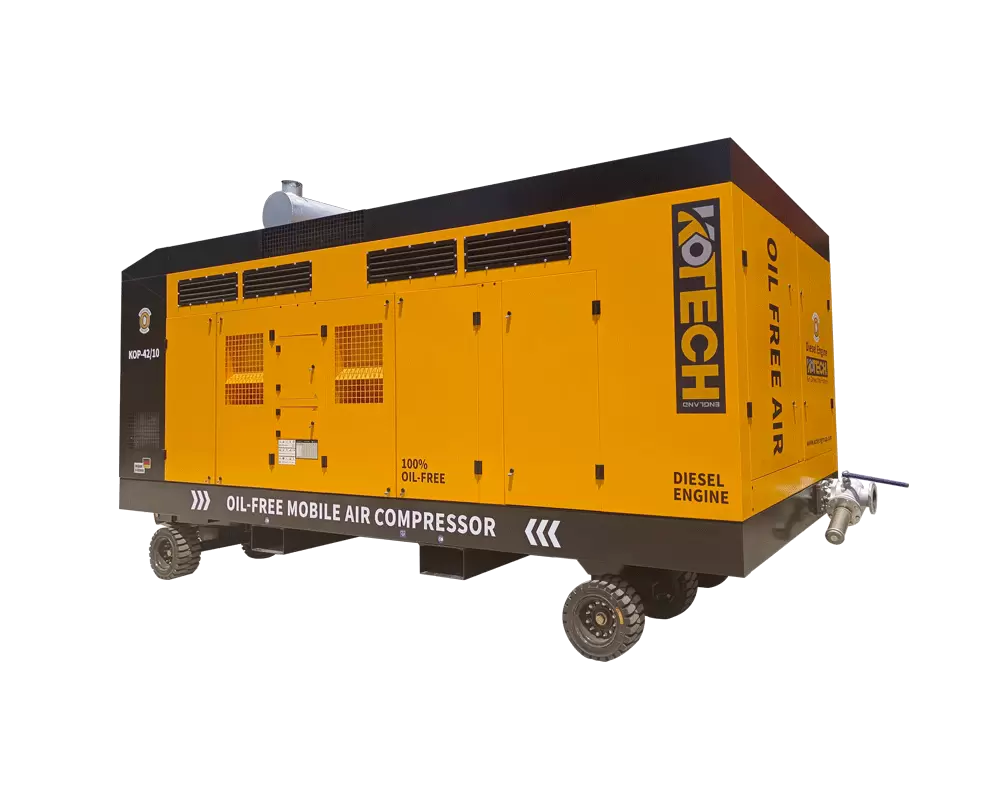
This guide explores 300 CFM diesel air compressors for quarry operations, covering their core mechanics, operational advantages, deployment strategies, and comparison with alternatives. It addresses common pitfalls and provides solutions to maximize productivity in demanding quarry environments.
300 CFM Diesel Air Compressor for Quarry Operations
Related: 300 CFM portable diesel air compressor · quarry site pneumatic power source · high-volume diesel air compressor for mining · 300 CFM rotary screw air compressor · heavy-duty quarry air compressor · mobile diesel compressor for blast hole drilling
A 300 CFM diesel air compressor for quarry operations is a vital piece of heavy-duty equipment designed to provide a consistent and high-volume supply of compressed air, essential for powering a wide array of pneumatic tools and machinery in demanding mining and quarrying environments. This class of compressor strikes an optimal balance between power, mobility, and fuel efficiency, making it indispensable for remote sites where grid power is unavailable or impractical. The significance of this specific capacity compressor lies in its ability to meet the rigorous demands of various quarrying tasks, from operating heavy-duty jackhammers and rock drills to supporting blast hole drilling and shotcrete applications. It primarily solves the critical problem of delivering reliable, robust pneumatic power in harsh, often isolated, conditions, thereby minimizing downtime and maximizing operational throughput. This article will delve into the core mechanics, operational advantages, and strategic deployment of 300 CFM diesel air compressors within quarry settings. We will also conduct a comparative analysis against alternative solutions, highlight common pitfalls to avoid, and provide expert answers to frequently asked questions, emphasizing its long-term strategic value in a competitive industry.
The Core Mechanics of 300 CFM Diesel Air Compressors for Quarry Operations
Based on structural analysis, the core mechanics of a 300 CFM diesel air compressor for quarry operations involve a robust diesel engine powering a high-efficiency rotary screw air end, integrated within a heavy-duty chassis designed for portability and resilience. The diesel engine provides the necessary torque to drive the air end, which compresses atmospheric air to the required pressure (typically 100-150 PSI) and volume (300 cubic feet per minute). This design ensures self-sufficiency, paramount for remote quarry sites.
From a component perspective, these compressors feature advanced filtration systems for both engine intake and compressed air output, crucial for protecting internal machinery from abrasive quarry dust and delivering clean air to pneumatic tools. Integrated cooling systems, often oil-based for the air end and liquid-cooled for the engine, are essential for maintaining optimal operating temperatures, especially during continuous, high-load operations typical of quarry environments.
The control systems are typically intuitive, offering features like automatic engine speed regulation to match air demand, fuel efficiency optimization, and comprehensive safety shutdowns for low oil pressure or high temperatures. This combination of robust engineering and intelligent control ensures consistent, reliable performance under the most challenging conditions, directly impacting site productivity.
Key Operational Advantages in Quarry Environments
From a framework perspective, 300 CFM diesel air compressors offer distinct operational advantages crucial for the unique demands of quarrying, primarily through their exceptional mobility, consistent high-volume air delivery, and inherent autonomy. Their trailer-mounted design allows for easy repositioning around dynamic quarry sites, ensuring pneumatic power is always available precisely where needed, without extensive piping or reliance on fixed infrastructure.
In practical application, the consistent 300 CFM output ensures that multiple high-demand pneumatic tools can operate simultaneously without significant pressure drops, critical for maintaining work pace. This includes powering several jackhammers, larger rock drills, or supporting blast hole drilling operations where a steady air supply is non-negotiable for efficiency and safety.
Furthermore, the diesel power source provides complete autonomy from the electrical grid, eliminating the need for costly and complex power installations in remote locations. This independence translates directly into lower setup costs, increased operational flexibility, and reduced susceptibility to grid power outages, safeguarding project timelines and overall site productivity.
Strategic Deployment and Optimization
In practical application, the strategic deployment of a 300 CFM diesel air compressor for quarry sites requires meticulous planning, encompassing site assessment, equipment integration, and adherence to operational best practices to maximize its utility. The initial phase involves accurately assessing the quarry’s specific air demand, considering the types and number of pneumatic tools, their individual CFM and PSI requirements, and the expected duty cycle.
The implementation phase demands careful site preparation, including selecting a stable, level, and well-ventilated location that is accessible for refueling and maintenance, yet safely distanced from active blasting zones. Proper hose routing and connection to tools are also critical to minimize pressure loss and ensure efficient power delivery. Operator training on safe operation, daily checks, and emergency procedures is paramount for preventing accidents and maximizing equipment lifespan.
Optimization involves continuous monitoring of compressor performance, fuel consumption, and air demand. Regular calibration and adjustments, alongside adhering to a strict preventative maintenance schedule, ensure peak efficiency. By precisely matching the compressor’s output to the quarry’s evolving needs, unnecessary wear and fuel expenditure can be avoided, leading to significant long-term savings and enhanced operational continuity.
Comparative Analysis: 300 CFM Diesel Air Compressors vs. Alternatives
To fully appreciate its value, a comparative analysis reveals that the 300 CFM diesel air compressor for quarry applications often outperforms alternative solutions in terms of mobility, power-to-size ratio, and operational independence, particularly for medium-sized and dynamic quarry operations.
A direct comparison highlights the specific advantages of a 300 CFM diesel air compressor for quarry work:
| Feature | 300 CFM Diesel Air Compressor | Electric Stationary Compressor | Smaller Portable Diesel (<200 CFM) | Larger Portable Diesel (>400 CFM) |
|:————|:——————————|:——————————-|:———————————–|:———————————-|
| **Complexity** | Moderate (self-contained) | High (installation, grid reliant) | Low (limited power) | High (size, fuel consumption) |
| **Efficiency** | High (mobile, on-demand) | Very High (fixed, continuous) | Moderate (light duty only) | High (very large tasks) |
| **Cost** | Moderate (acquisition & fuel) | High (installation, energy) | Low (acquisition) | High (acquisition & fuel) |
| **Frequency** | Continuous, versatile | Continuous, grid-dependent | Intermittent, lighter duty | Continuous, heavy duty |
Based on this structural analysis, while electric stationary compressors offer superior energy efficiency for fixed, high-demand installations, their lack of mobility and grid dependency make them unsuitable for many quarry scenarios. Smaller portable diesel units lack the power for demanding quarry tools, and larger units (>400 CFM) often represent overkill for many tasks, incurring higher operational and capital costs. The 300 CFM unit thus occupies a strategic sweet spot for balanced performance and versatility.
Mitigating Risks: Common Pitfalls and Professional Solutions
Based on extensive field experience, common pitfalls in operating a 300 CFM diesel air compressor for quarry applications typically revolve around maintenance oversight, improper sizing, and neglecting environmental considerations, each with clear preventative solutions. A primary mistake is neglecting routine maintenance, leading to premature wear, reduced efficiency, and costly breakdowns. The solution involves implementing a strict preventative maintenance schedule, including daily checks of fluid levels and filters, and adhering to manufacturer-recommended service intervals for oil changes and component inspections.
Another frequent error is mismatched sizing, where a compressor either underperforms due to insufficient CFM/PSI or is oversized, leading to excessive fuel consumption and capital expenditure. The professional solution dictates a thorough assessment of all pneumatic tool requirements, including future expansion plans, to ensure the compressor’s capacity perfectly aligns with operational needs, avoiding both bottlenecks and wasted resources.
Finally, neglecting the harsh quarry environment is a critical oversight. Operating without proper housing or failing to regularly clean cooling fins can lead to overheating and component failure due to dust and debris accumulation. The solution involves strategic placement, regular cleaning of radiator and intercooler fins, ensuring adequate ventilation, and utilizing robust, purpose-built enclosures or weather protection to shield the unit from extreme temperatures and particulate matter.
Further Reading
- The Logic Behind large diesel air compressor 500 cfm A Structural Analysis
- The Logic Behind 500 CFM Heavy Duty Diesel Air Compressors A Structural Analysis for Industrial Efficiency
- Overcoming On-Site Power Challenges The Strategic Value of a Used 300 CFM Diesel Air Compressor for Sale
- Mining Air Compressor Case Studies | Global Industrial Projects
- 300 CFM diesel air compressor – The Logic Behind C
- The Logic Behind Cheap Diesel Air Compressors for Mining A Structural Analysis of Value
- The Logic Behind Cheap High Pressure Diesel Air Compressor A Structural Analysis for Industrial Construction
- How Small Diesel Air Compressors for Workshops Are Redefining Automotive and Fabrication Efficiency
Related Applied Cases
Frequently Asked Questions
- Why is a 300 CFM diesel compressor the best choice for quarry operations?
- It delivers the ideal balance of power and mobility, providing enough airflow to run multiple heavy-duty tools simultaneously (like jackhammers and rock drills) while remaining portable for dynamic quarry sites. Unlike smaller units, it avoids pressure drops, and unlike larger compressors, it doesn’t waste fuel on overcapacity.
- What tools can a 300 CFM diesel compressor power in a quarry?
- It can run several high-demand pneumatic tools at once, including heavy-duty jackhammers, rock drills, blast hole drilling equipment, shotcrete pumps, and large-scale sandblasting systems, supporting continuous quarry operations without bottlenecks.
- How do I deploy a 300 CFM diesel compressor safely and efficiently on a quarry site?
- Choose a stable, level, well-ventilated location away from blasting zones, secure the unit, route hoses to minimize pressure loss, and follow pre-operation checks (fluid levels, filters, safety systems). Proper placement and setup prevent overheating, damage, and downtime.
- What maintenance is critical to keep a 300 CFM quarry compressor running reliably?
- Follow a strict schedule: daily fluid level checks, regular oil/filter changes, cleaning air filters (especially important in dusty quarry environments), inspecting hoses/fittings, and adhering to manufacturer service intervals to prevent overheating and premature wear.
- How does a 300 CFM diesel compressor compare to electric or smaller diesel alternatives for quarries?
- Unlike electric compressors, it doesn’t rely on grid power, making it ideal for remote quarries. Smaller diesel units (400 CFM) are bulkier and more fuel-hungry, making the 300 CFM model the sweet spot for most quarries.
- What common mistakes should I avoid when using a 300 CFM compressor in a quarry?
- Avoid mismatched sizing (underpowered or overspecified units), neglecting maintenance (especially in dusty conditions), poor site placement (insufficient ventilation or proximity to blasting), and using damaged or undersized hoses that cause pressure drops and inefficiency.