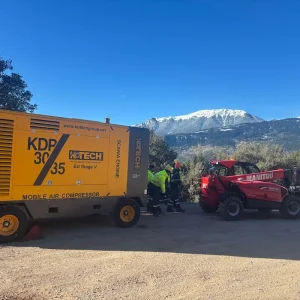

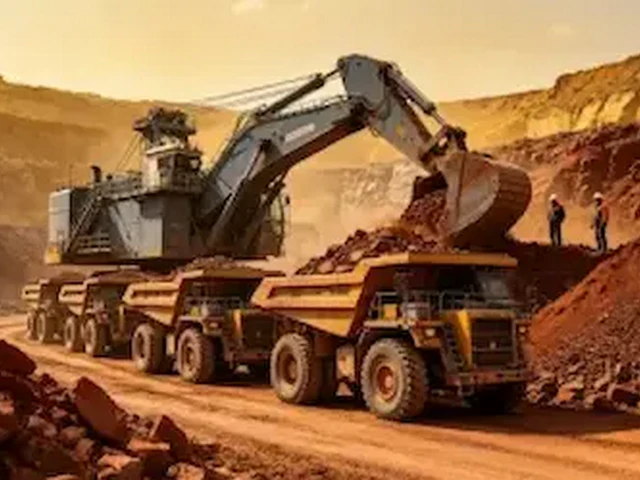
Two-stage air compressors are foundational for robust and efficient oil and gas drilling, delivering superior pressure and flow for critical operations. - Two-stage compressors offer unmatched pressure and efficiency for deep drilling and specialized applications. - Their reliability is paramount for minimizing costly downtime in remote and harsh drilling environments. - These units are essential for air drilling, underbalanced drilling (UBD), and powering high-demand pneumatic tools. - Technological advancements focus on energy efficiency and predictive maintenance, directly impacting operational costs. - Selecting the right two-stage system requires a deep understanding of wellbore conditions and operational parameters.
The Indispensable Role of Two-Stage Air Compressors in Modern Drilling
Key Takeaways
- Two-stage compressors provide superior pressure and efficiency for deep and specialized drilling.
- Their reliability is key for reducing downtime in harsh oil and gas environments.
- Essential for air drilling, UBD, and high-demand pneumatic tools.
- Modern units focus on energy efficiency and predictive maintenance for cost savings.
- Proper selection and maintenance are critical for optimal performance.
Related: Multi-stage compression for drilling · enhanced oil recovery air systems · wellbore construction pneumatic power · underbalanced drilling air supply · instrument air for offshore platforms
Two-stage air compressors are not just another piece of equipment; they are the backbone of many critical operations in oil and gas drilling, delivering the high-pressure, consistent air supply that single-stage units simply cannot match. For anyone in E&P, ignoring the nuanced advantages of multi-stage compression is frankly a misstep that can lead to significant operational inefficiencies and downtime.
The Undeniable Edge of Two-Stage Compressors in Drilling
In an industry where performance margins are tight and reliability is non-negotiable, two-stage air compressors stand out. They achieve higher pressures and greater efficiency by compressing air in two distinct stages, cooling it between stages. This process drastically reduces the thermal load and energy consumption compared to single-stage equivalents for similar output. We’re talking about pressures often exceeding 150 PSI, sometimes reaching 350 PSI or more, which is crucial for deep well applications or specialized drilling techniques.
My experience over the last twelve years has consistently shown that investing in a robust two-stage system pays dividends. It’s not just about raw power; it’s about sustained performance in environments that chew through lesser machinery.
Market Dynamics: Why High-Pressure Air Matters Now More Than Ever
The demand for efficient, high-pressure air systems in oil and gas continues to grow, driven by increasingly complex drilling challenges and a focus on operational expenditure (OpEx) reduction. A report by Grand View Research in 2023 projected the global oil and gas drilling equipment market to expand, with air compressors being a vital component of this growth, especially as unconventional plays become more prevalent. This isn’t just a trend; it’s a fundamental shift.
Consider the economics: a typical drilling rig can incur costs upwards of $150,000 per day. Any equipment failure leading to downtime directly impacts the bottom line. Two-stage compressors, by design, are built for durability and continuous operation, offering a more stable air supply for critical processes. This inherent reliability translates directly into reduced operational risk and improved project timelines.
Furthermore, energy efficiency is no longer a luxury. The International Energy Agency (IEA) 2024 outlook emphasizes the growing pressure on industries to decarbonize and optimize energy use. Two-stage compressors, with their superior volumetric efficiency – often 15-20% higher than single-stage units for the same output pressure – directly contribute to lower fuel consumption for generator sets powering the compressor, thereby reducing emissions and operating costs. This is a tangible benefit that can be tracked and reported.
Critical Applications: Where Two-Stage Units Shine
The versatility of two-stage air compressors makes them indispensable across various drilling applications.
Air Drilling and Underbalanced Drilling (UBD)
This is perhaps the most obvious application. Air drilling involves using compressed air, rather than drilling mud, to clear cuttings from the wellbore. UBD takes it a step further, maintaining a bottom-hole pressure lower than the formation pressure to minimize formation damage and increase penetration rates. Both techniques demand massive volumes of high-pressure air, precisely what two-stage units are designed to deliver. Without a reliable, high-volume, high-pressure air source, these advanced drilling methods would be impossible.
Powering Downhole Tools and Pneumatic Equipment
From pneumatic hoists and wrenches on the rig floor to sophisticated downhole motors and measurement-while-drilling (MWD) tools that rely on precise air signals, consistent high-pressure air is vital. These tools require not just pressure but also a stable flow rate to function correctly and safely. Fluctuations can lead to tool damage, operational delays, or even safety hazards.
Instrument Air for Control Systems
Modern drilling rigs are highly automated, relying on complex control systems. Instrument air, which must be extremely clean, dry, and delivered at a stable pressure, powers these delicate instruments and actuators. Two-stage compressors, when paired with appropriate air treatment systems (filters, dryers), provide the consistent, high-quality air necessary to prevent corrosion and malfunction in sensitive electronics and pneumatic controls. This is an application where ‘good enough’ is simply not good enough.
Enhanced Oil Recovery (EOR)
While not strictly drilling, some EOR techniques, like gas injection (air or nitrogen), utilize high-pressure air compression systems on site. These systems often operate continuously for extended periods, demanding the robust, efficient performance characteristic of two-stage industrial air compressors.
Navigating Operational Realities: Challenges and Solutions
Deploying two-stage air compressors in the oil and gas field isn’t without its challenges. The harsh operating environments – extreme temperatures, dust, vibration, and often remote locations – demand careful consideration.
One common issue is maintaining air quality. Contaminants like moisture and oil vapor can wreak havoc on downstream equipment. This is where advanced filtration and drying systems become non-negotiable add-ons. Proper desiccant or refrigerated dryers, combined with coalescing filters, are essential for protecting sensitive instruments and pneumatic tools. We’ve seen firsthand how neglecting air treatment leads to premature equipment failure, especially in humid climates or offshore.
Another challenge is logistics and maintenance. These units are large and require specialized technicians. For remote sites, having readily available spare parts and trained personnel is critical. Predictive maintenance technologies, leveraging IoT sensors and data analytics, are increasingly being adopted. For instance, monitoring vibration, temperature, and pressure trends can flag potential issues before they become catastrophic failures, allowing for planned maintenance rather than reactive, costly repairs. A 2022 study by Deloitte highlighted that predictive maintenance programs can reduce equipment downtime by 10-20%.
However, it’s important to acknowledge that a two-stage compressor might be overkill for very small, intermittent pneumatic tasks on a rig, or for shallow, low-pressure water wells where a simpler, single-stage unit could suffice at a lower initial cost. The decision always hinges on the specific pressure, volume, and duty cycle requirements of the application. For the core drilling operations we’ve discussed, though, their benefits are clear.
Best Practices for Deployment and Maintenance
To maximize the benefits of two-stage air compressors in drilling, several best practices should be followed:
1. **Right-Sizing the System:** Accurately assess your air demand (CFM and PSI) for all planned operations. Oversizing wastes energy, while undersizing leads to insufficient pressure and premature wear. Factor in future expansion plans. 2. **Robust Air Treatment:** Always integrate high-quality air dryers and filters appropriate for the environment and the sensitivity of downstream equipment. Regular monitoring of dew point and filter pressure drop is crucial. 3. **Regular Maintenance Schedule:** Adhere strictly to manufacturer-recommended service intervals. This includes oil changes, filter replacements, and checking for leaks. Proactive maintenance prevents costly breakdowns. 4. **Operator Training:** Ensure all personnel operating and performing basic maintenance on the compressor are thoroughly trained. Understanding error codes and basic troubleshooting can save hours of downtime. 5. **Environmental Protection:** Shield units from direct sunlight, heavy rain, and excessive dust where possible. Adequate ventilation is also key to prevent overheating.
Following these guidelines ensures that your two-stage air compressor operates at peak efficiency and reliability, contributing positively to your drilling project’s success.
Expert Insights
"In my twelve years working with drilling contractors, the two-stage compressor has consistently proven to be the most dependable workhorse for high-pressure air requirements. Trying to cut corners with single-stage units for core drilling applications often leads to frustrating performance bottlenecks and expensive failures down the line. The upfront investment in a quality two
— stage system is always justified by its operational longevity and efficiency."
Further Reading
- Mobile Diesel Air Compressors for Mining & Heavy Industrial Tasks
- Compact Air Compressors for Remote Oil & Gas Exploration Sites
- Variable-Speed Mining Air Compressors for Fluctuating Air Demand
- Mining Air Compressor Efficiency vs Cost: Technical Analysis
- Two-Stage Air Compressor, Oil and Gas Drilling, High-Pressure Air, Drilling Operations, E&P Equipment – Portable Diesel Ai
- Air Compressor Solutions for Oilfield Acidizing & Stimulation
- Two-Stage Air Compressor Applications in Automotive Manufacturing
- Explosion-Proof Air Compressors for Offshore Oil & Gas Rigs
About the Author

Related Reading: Low-Noise Air Compressors for Urban Oil & Gas Operations