
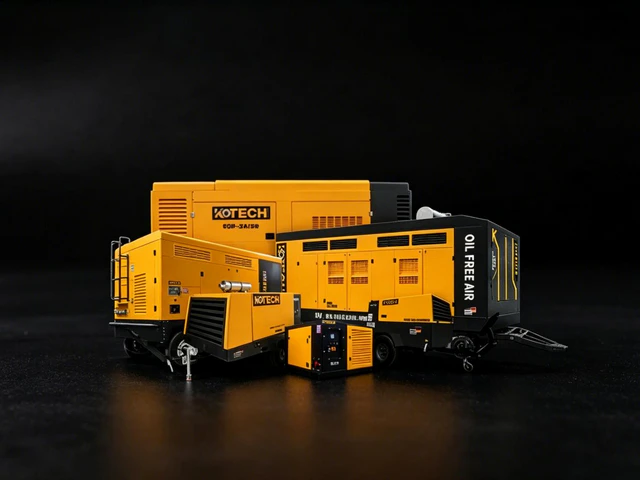
Maximizing Uptime: The Critical Role of Rugged Air Compressors in 24/7 Mining
- Uninterrupted operations demand specialized, rugged compressors designed for extreme conditions.
- Proactive maintenance and remote monitoring are non-negotiable for 24/7 reliability.
- Total Cost of Ownership (TCO) far outweighs initial purchase price; focus on energy efficiency and durability.
For any mining operation running 24/7, the air compressor isn’t just another piece of equipment; it’s the heart of critical systems. Frankly, if your compressors aren’t purpose-built for extreme conditions and continuous duty cycles, you’re inviting catastrophic downtime and significant financial losses.
The Uncompromising Reality of 24/7 Mining Demands
Mining environments are brutal. They are characterized by relentless dust, extreme temperatures ranging from freezing to scorching, constant vibration, and often remote locations with limited access to immediate technical support. A standard industrial air compressor, designed for a controlled factory floor, simply cannot survive these conditions. These units are not built for the continuous, high-load operation that mining demands. They’ll quickly succumb to component wear, filtration blockages, and overheating, leading to frequent breakdowns.
The operational rhythm of a mine is 24 hours a day, seven days a week. There’s no “off-peak” for many critical processes that rely on compressed air: drilling, pneumatic tools, ventilation systems, dewatering, and even powering safety equipment. This relentless schedule requires machinery that can withstand constant stress without faltering. The margin for error is razor-thin, and the consequences of failure are severe, impacting not only production but worker safety.
The Staggering Cost of Compressor Downtime in Mining
When a critical air compressor fails in a 24/7 mining operation, the ripple effect is immediate and devastating. Production grinds to a halt. Crews stand idle. Delays propagate across the entire value chain.
Consider the cost of a single hour of lost production. Multiply that by the hours it takes to diagnose, transport parts, repair, and restart a compromised compressor in a remote location. The numbers escalate rapidly. Investing in a truly rugged, reliable compressor isn’t an expenditure; it’s an insurance policy against these astronomical losses.
Engineering for Endurance: What Makes a Compressor “Rugged”?
A rugged mining air compressor is engineered from the ground up to defy the harsh conditions it faces. This isn’t about slapping on a heavier casing; it’s about fundamental design choices and material science. Every component, from the air end to the cooling system, is selected and configured for maximum durability and continuous performance.
Critical Design Elements for Continuous Duty
One of the most vital aspects is the filtration system. Mining operations generate immense amounts of particulate matter. A multi-stage, heavy-duty air intake filtration system is non-negotiable, often incorporating pre-filters, cyclonic separators, and high-efficiency particulate air (HEPA) filters to protect the compressor’s internal components. Without superior filtration, abrasive dust quickly erodes crucial parts, leading to premature failure.
The cooling system is another cornerstone. High ambient temperatures, especially in open-pit mines or deep underground, put immense strain on compressors. Rugged units feature oversized coolers, often with independent motors and robust fan blades designed to maintain optimal operating temperatures even in extreme heat. These systems are frequently reinforced to resist vibration and impact, further enhancing their resilience.
Furthermore, the enclosure and chassis are built like tanks. They are designed to absorb shock, resist corrosion from moisture and chemicals, and prevent dust and debris ingress. Vibration isolation systems protect sensitive electronic components and extend the lifespan of mechanical parts. Industrial-grade motors, often with higher ingress protection (IP) ratings, ensure reliable power delivery even in the grimiest conditions.
Beyond the Purchase Price: Total Cost of Ownership (TCO) in Mining
The initial purchase price of a rugged mining air compressor is only a fraction of its true cost. Savvy mining operators understand that Total Cost of Ownership (TCO) is the metric that truly matters. TCO encompasses not just the capital expenditure, but also energy consumption, maintenance, spare parts, and the cost of potential downtime over the entire lifespan of the equipment.
Many rugged compressors incorporate Variable Speed Drive (VSD) technology, which precisely matches air output to demand, yielding significant energy savings compared to fixed-speed units.
Moreover, the longevity and reduced maintenance requirements of purpose-built rugged units contribute substantially to a lower TCO. While a standard compressor might cost less upfront, its frequent need for repairs and replacement in harsh mining conditions quickly erodes any initial savings. The availability of spare parts and specialized service is also a critical factor in TCO, especially for remote sites.
The Indispensable Role of Proactive Maintenance and Monitoring
For 24/7 operations, waiting for a compressor to break down is a recipe for disaster. Proactive maintenance and advanced monitoring systems are not optional; they are fundamental pillars of reliability. Modern rugged mining air compressors often come equipped with sophisticated IoT sensors and remote monitoring capabilities. These systems provide real-time data on critical parameters like pressure, temperature, vibration, and oil levels.
Leveraging IoT for Uptime
This data allows maintenance teams to identify potential issues before they escalate into catastrophic failures. Predictive analytics, sometimes enhanced by AI, can forecast component wear and recommend optimal maintenance schedules. This shift from reactive repairs to predictive maintenance minimizes unplanned downtime and allows for scheduled interventions during less critical periods. For instance, receiving an alert about an abnormal vibration pattern allows technicians to inspect and replace a bearing during a planned shift change, rather than having the unit seize up mid-operation.
Regular, scheduled maintenance, performed by technicians familiar with the specific demands of mining equipment, is equally important. This includes routine filter changes, oil analysis, and comprehensive system checks. Trust me, ignoring a maintenance schedule on a mining compressor is like playing Russian roulette with your production targets.
When Standard Solutions Just Won’t Cut It: A Boundary Condition
While rugged compressors are indispensable for most 24/7 mining operations, it’s worth noting that even the most robust unit might not be the optimal solution for every single niche application. For instance, in highly acidic processing plants directly adjacent to mining operations, the material compatibility requirements often supersede standard ruggedization, demanding specialized alloys or completely different air generation methods to resist chemical corrosion. Similarly, in extremely deep underground mines with unique ventilation and safety constraints, a centralized, large-scale compressor might be less efficient than a series of smaller, modular, distributed air systems closer to the point of use, reducing pressure drops and improving localized control. Understanding these specific boundary conditions ensures the right technology is deployed where it will have the maximum impact.
The Future of Mining Air Compression: Trends and Innovations
The mining industry is continuously evolving, and air compressor technology is keeping pace. Key trends include increased automation, further integration of IoT and AI for predictive maintenance, and a strong push towards electrification and energy recovery. Electrically powered compressors are gaining traction as mines move away from diesel-powered equipment, driven by environmental regulations and the desire to reduce operational emissions. This aligns with broader green mining initiatives.
Furthermore, innovations in heat recovery are becoming more prevalent. Compressors generate a significant amount of waste heat, which can be captured and reused for heating water, buildings, or even other industrial processes, further improving the overall energy efficiency of the mine site. This growth underscores the ongoing need for advanced, reliable air compression solutions.





