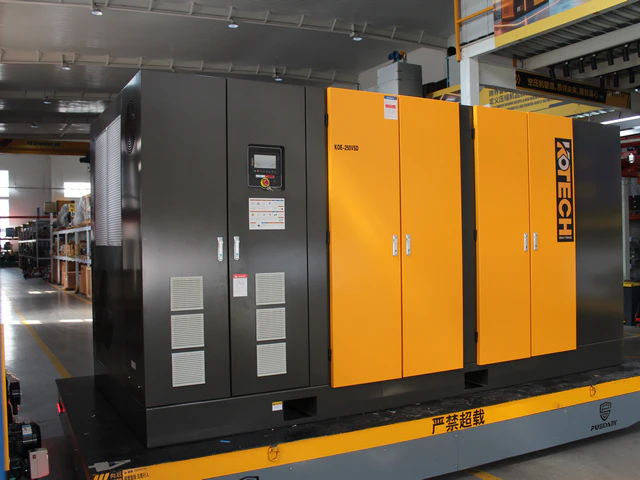
Unlocking Operational Excellence with Intelligent Air Compressors in O&G
- Remote monitoring capabilities enhance safety and reduce unscheduled downtime, critical for isolated field operations.
- Integration with existing SCADA systems is crucial for leveraging real-time data and achieving true digital transformation.
- Regulatory pressures for emissions reduction make VSD-equipped smart compressors a compliance necessity, not just an option.
- Investing in workforce training for data analytics and system management is as vital as the hardware itself.
Modern oil and gas fields, facing relentless pressure on efficiency, safety, and environmental compliance, are finding intelligent air compressors to be an indispensable asset. These advanced systems, far from being mere utility components, are becoming critical enablers of operational resilience and significant cost reduction, fundamentally transforming how we manage vital air supply in harsh, remote environments. Operators who embrace this shift are not just upgrading equipment; they’re investing in a more secure, sustainable, and profitable future.
The Unmistakable Shift: Why Smart Compressors Are Non-Negotiable in O&G
The days of “run-to-failure” maintenance or reactive troubleshooting for air compressors in oil and gas are rapidly fading. Today’s operational landscape demands proactive strategies. Intelligent air compressor applications, equipped with advanced sensors, IoT connectivity, and AI-driven analytics, provide the foresight necessary to prevent costly downtime and optimize performance. This isn’t just about avoiding breakdowns; it’s about maximizing throughput, minimizing energy consumption, and ensuring worker safety across vast, often remote, operational footprints. We’re talking about a paradigm shift from reactive to predictive, from isolated components to integrated systems.
The drive for operational excellence in oil and gas is relentless. Field operators contend with aging infrastructure, fluctuating commodity prices, and stringent environmental regulations. Smart air compressors address these challenges head-on by offering a holistic approach to air system management. They provide real-time insights into machine health, energy usage, and potential issues, allowing for data-driven decisions that impact the bottom line and operational continuity.
Driving Efficiency & Reliability: The Data Speaks Loudly
The benefits of integrating intelligent air compressors aren’t theoretical; they’re measurable and impactful. These systems deliver tangible improvements across several key performance indicators.
For an energy-intensive sector like oil and gas, where compressors are often a significant power draw, these savings translate directly into millions of dollars annually. This isn’t just a minor adjustment; it’s a substantial boost to operational profitability.
Unscheduled downtime in O&G can cost hundreds of thousands, if not millions, per day, making uptime a paramount concern. Predictive analytics identify potential failures before they occur, allowing for scheduled maintenance during low-impact periods, thereby safeguarding production targets.
According to a 2024 market outlook from Grand View Research, the global market for industrial IoT in oil and gas is projected to grow significantly. Intelligent asset management solutions, like smart compressors, are identified as a primary driver for this growth, underscoring the industry’s commitment to digital transformation. This trend signals a clear industry consensus on the value proposition of these technologies.
Beyond the Basics: How Intelligent Systems Redefine Operations
Intelligent air compressors offer a suite of functionalities that go far beyond what conventional units can provide. They leverage connectivity and computational power to transform air supply into a strategic resource.
Predictive Maintenance & Remote Diagnostics: Proactive Uptime
The core advantage lies in their ability to predict failures. Embedded sensors continuously monitor critical parameters such as vibration, temperature, pressure, and oil quality. This data is then transmitted to a cloud-based platform where AI algorithms analyze patterns and detect anomalies indicative of impending issues. Operators receive alerts and recommendations, enabling them to schedule maintenance proactively, often before any performance degradation is noticeable. This capability significantly extends equipment lifespan and dramatically reduces the risk of catastrophic failures. Old school maintenance often meant waiting for a problem; now, we’re anticipating and preventing it.
Remote diagnostics further empower field teams. From a central control room, engineers can access detailed performance reports, troubleshoot issues, and even adjust compressor settings on remote platforms or well sites, minimizing the need for costly and time-consuming site visits. This is particularly valuable in offshore operations or geographically dispersed onshore fields, enhancing both efficiency and safety.
Energy Optimization & Environmental Footprint: Smarter Consumption
Energy efficiency is a major pain point in oil and gas. Intelligent compressors, especially those with integrated VSDs, dynamically adjust motor speed to match demand, preventing energy waste from “idling” or “blow-off.” AI-driven controls can learn demand patterns and optimize compressor sequencing in multi-unit installations, ensuring only the necessary air is produced at the optimal pressure. This not only cuts electricity bills but also reduces the carbon footprint, aligning with growing environmental, social, and governance (ESG) mandates.
Enhanced Safety & Compliance: Mitigating Risk
Safety is paramount in O&G. Intelligent systems contribute by identifying potential hazards before they escalate. For instance, abnormal pressure fluctuations or overheating can trigger immediate alerts, allowing operators to intervene before equipment failure leads to an accident. Moreover, precise data logging ensures a robust audit trail for regulatory compliance, demonstrating adherence to operational standards and environmental protocols. This level of data transparency is invaluable for both internal safety audits and external regulatory scrutiny.
Navigating the Nuances: When Smart Isn’t Always Simple
While the benefits are compelling, it’s important to acknowledge that intelligent air compressor systems aren’t a one-size-fits-all solution. They might not be the optimal choice for every single application. For instance, in extremely isolated, low-production well sites with minimal power infrastructure and intermittent air demand, the initial investment and complexity of a fully integrated smart system might outweigh the benefits. Simple, robust, mechanically controlled units could still be more cost-effective in such niche scenarios. Similarly, brownfield sites with extremely outdated or proprietary control systems might face significant integration hurdles, requiring careful assessment of compatibility and potential retrofit costs. The value proposition is strongest when there’s a clear need for continuous operation, high energy consumption, or critical safety requirements.
Implementing Intelligence: A Practical Roadmap for Field Operators
Adopting intelligent air compressor technology requires a strategic approach. It’s more than just buying new hardware; it’s about integrating it into your existing operational ecosystem.
Assessing Your Current Infrastructure
Start with a thorough audit of your current air compressor fleet and associated control systems. Identify critical assets, major energy consumers, and areas prone to unscheduled downtime. This assessment will help prioritize which units would benefit most from an intelligent upgrade or replacement. Consider the age of your existing equipment and its compatibility with modern IoT sensors and communication protocols.
Phased Integration & Scalability
Rather than a wholesale overhaul, consider a phased approach. Begin by piloting intelligent systems on a few critical compressors or at a single field site. This allows your team to gain experience, fine-tune integration with existing SCADA or DCS systems, and demonstrate ROI before a broader rollout. Ensure the chosen platform is scalable and interoperable, capable of expanding as your digital transformation journey progresses. From our experience, trying to do everything at once often leads to more headaches than it solves.
Data Security & Workforce Training
With increased connectivity comes the need for robust cybersecurity. Ensure that data transmission from field assets to cloud platforms is encrypted and secure, adhering to industry best practices. Equally important is investing in workforce training. Your maintenance technicians and control room operators will need new skills in data interpretation, analytics, and managing these advanced systems. Empowering your team with the right knowledge is crucial for maximizing the return on your intelligent compressor investment.