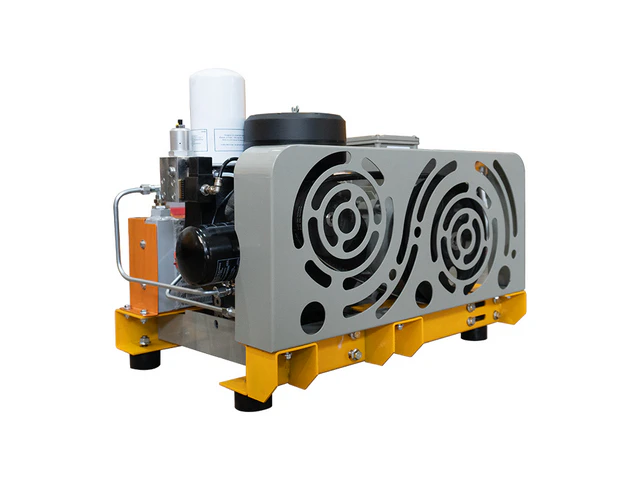
Mastering Oil & Gas Air Compressor Performance
Operating air compressor systems in the oil and gas industry isn’t just about moving air; it’s about ensuring uninterrupted, safe, and cost-effective operations across the entire value chain. From powering pneumatic tools on a drilling rig to critical instrument air in a refinery, these systems are the silent workhorses. Neglecting their performance isn’t an option, as it directly impacts safety records, environmental compliance, and ultimately, the bottom line.
Here are the key insights you need to grasp:
- Safety First, Always: Catastrophic failures in O&G compressor systems are rare but carry immense risks, demanding proactive hazard identification and robust safety protocols.
- Efficiency Drives Profit: Energy consumption from air compressors often represents a significant operational cost, making optimization a critical financial lever.
- Digitalization is No Longer Optional: Advanced monitoring, predictive analytics, and AI are transforming maintenance from reactive to proactive, preventing costly downtime.
- Regulatory Scrutiny is Increasing: Stricter environmental and safety regulations necessitate continuous system upgrades and compliance vigilance.
- Integrated Solutions Outperform Silos: A holistic view of your compressor system, from intake to point of use, uncovers hidden efficiencies and safety gaps.
The Imperative for Flawless Operation: Why Safety and Efficiency Aren’t Optional
For anyone who’s spent time in the field, the critical nature of reliable air is obvious. A compressor failure isn’t merely an inconvenience; it can halt production, endanger personnel, and trigger environmental incidents. We’re talking about scenarios where instrument air loss can lead to emergency shutdowns, or where a compromised seal can release volatile compounds. Safety, in this context, isn’t a luxury; it’s the foundation of every operational decision.
Beyond the immediate safety concerns, efficiency plays a monumental role in the economic viability of oil and gas operations. Compressors are power hogs. Running them inefficiently is akin to leaving money on the table, every single day. The drive for sustainability and reduced carbon footprints also pushes efficiency to the forefront. Companies are under immense pressure from investors, regulators, and the public to demonstrate responsible energy use.
Navigating the Evolving Landscape: Key Trends and Data
The industry is in constant flux, and air compressor technology is evolving right alongside it. We’re moving away from calendar-based maintenance to predictive models, leveraging IoT sensors and machine learning algorithms.
Consider these facts:
- A 2023 report by the American Petroleum Institute (API) highlighted that human error and equipment malfunction, particularly in utility systems like compressed air, contribute to a significant percentage of minor and moderate operational upsets. Improved reliability directly mitigates these risks.
Frankly, relying on older, less efficient systems isn’t just costing you money; it’s putting you at a competitive disadvantage. The new generation of variable speed drive (VSD) compressors, for instance, can offer significant energy savings by adjusting output to match demand, a stark contrast to older fixed-speed units that run at full capacity regardless of need.
Common Pitfalls: Where Traditional Approaches Fall Short
Many facilities still operate with a “run-to-failure” mindset for non-critical assets, or rely on outdated, time-based maintenance schedules. This approach is fundamentally flawed for air compressor systems in O&G. A small leak, left unaddressed, can escalate into a major energy drain. A worn bearing, ignored, can lead to catastrophic failure.
Another common pitfall is improper system sizing. Oversized compressors cycle more frequently, leading to increased wear and tear and significant energy waste. Undersized units struggle to meet demand, causing pressure drops and impacting process efficiency.
This isn’t to say every site needs the absolute latest tech. For a small, remote wellhead with minimal pneumatic requirements, a simpler, robust system might be more appropriate than a complex, fully integrated digital solution. The key is understanding the specific operational context and matching the technology to the need, not over-engineering for its own sake.
Strategies for Peak Performance: Actionable Steps
Achieving optimal safety and efficiency requires a multi-faceted approach, integrating technology, best practices, and a commitment to continuous improvement.
Advanced Monitoring & Predictive Maintenance
Implement IoT sensors to monitor key parameters like pressure, temperature, vibration, and energy consumption in real-time. This data feeds into predictive analytics platforms that can flag potential issues before they become critical failures. This shifts maintenance from reactive fixes to proactive interventions, minimizing unplanned downtime and extending equipment lifespan.
Optimized System Design & Sizing
Regularly audit your compressed air system to ensure it’s correctly sized for current and projected demand. This includes assessing air quality requirements, distribution networks, and storage capacity. Proper sizing, along with strategically placed air receivers, can smooth out demand fluctuations, reduce compressor cycling, and lower energy consumption. Don’t forget to evaluate the entire air treatment chain – dryers, filters, and drains – as these components are crucial for air quality and overall system health.
Regulatory Compliance & Best Practices
Stay abreast of evolving safety standards from bodies like OSHA and API, as well as environmental regulations from the EPA. Implement robust lock-out/tag-out procedures, ensure proper ventilation, and regularly inspect safety relief valves. Training for personnel on safe operating procedures and emergency response is non-negotiable. Compliance isn’t just about avoiding fines; it’s about fostering a culture of safety that protects your most valuable asset: your people.
Leveraging Digital Twins and AI
For larger, more complex facilities, consider implementing digital twin technology. A digital twin creates a virtual replica of your physical compressor system, allowing for real-time simulation, performance optimization, and scenario planning without impacting live operations. Coupled with AI, these systems can identify complex correlations, predict component degradation, and even suggest optimal operational parameters to maximize both safety and efficiency.
The ROI of Robust Compressor Systems
Investing in robust, well-maintained, and efficient air compressor systems delivers a clear return on investment. Reduced energy bills, fewer safety incidents, minimized unplanned downtime, and extended equipment life all contribute to a healthier bottom line. Beyond the financial gains, there’s the invaluable benefit of enhanced operational reliability and a stronger safety culture. Frankly, in an industry where margins are tight and risks are high, cutting corners on your compressor systems is a gamble you simply can’t afford to take.