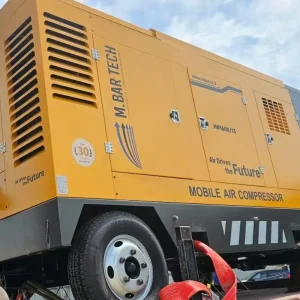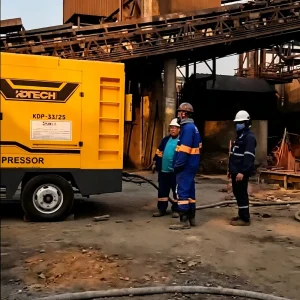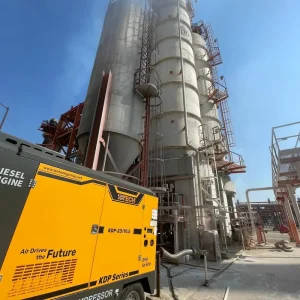

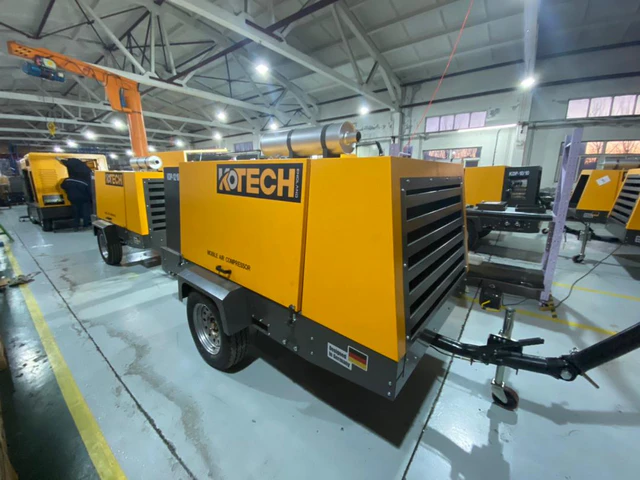
In the unforgiving world of oil and gas, high-pressure air compressors aren't just equipment; they're mission-critical assets. This guide, penned by a seasoned industry veteran, cuts through the noise to deliver actionable insights on leveraging these powerful machines for peak performance, maximum uptime, and enhanced safety across diverse applications, from well stimulation to remote pipeline maintenance.
Unlocking Performance: Your Guide to High-Pressure Air Compressors in O&G
Key Takeaways
- High-pressure air compressors are indispensable for diverse oil & gas applications.
- Key considerations include pressure/flow rates, environmental suitability, energy efficiency, and ease of maintenance.
- Industry trends highlight growth in unconventional resources and increased demand for sustainable, remotely monitored solutions.
- Common pitfalls involve underestimating total cost of ownership and misjudging environmental demands.
- Investment in high-quality, application-specific compressors ensures operational reliability and long-term profitability.
Related: Oilfield air compression systems · gas well stimulation compressors · drilling rig air supply · offshore HP air solutions · hydraulic fracturing air compressors · process air reliability · energy efficiency in oil & gas · compressor maintenance strategies · remote site air solutions
High-pressure air compressors are the unsung heroes of the oil and gas sector. They’re not just powering tools; they’re enabling core operations like drilling, well stimulation, and critical process control. Getting this right isn’t optional; it’s fundamental to operational success and safety.
Key Insights:
- Reliability is paramount: Downtime costs in O&G are astronomical; robust, high-availability compressors are non-negotiable.
- Application dictates specification: From well stimulation to instrument air, each use case demands tailored compressor characteristics and pressure ratings.
- Energy efficiency drives profitability: With rising energy costs, optimizing power consumption isn’t just green, it’s smart business.
- Compliance and safety are critical: Adherence to API standards and local regulations prevents costly penalties and protects personnel.
- Strategic maintenance extends asset life: Proactive, data-driven maintenance programs are essential for maximizing ROI and minimizing unexpected failures.
The Unseen Workhorse: Why HP Air Compressors Are Critical
In the oil and gas industry, demand for high-pressure air isn’t a luxury; it’s a fundamental requirement. We’re talking about pressures that can exceed 5,000 PSI for specialized tasks, far beyond what standard industrial compressors can deliver. This capability is essential for everything from powering pneumatic tools on a drilling rig to more complex processes like nitrogen generation for well inerting or hydraulic fracturing support. The environments are often harsh – extreme temperatures, corrosive atmospheres, and remote locations – pushing equipment to its absolute limits.
Honestly, what often gets overlooked is the sheer dependence of an entire operation on a single, well-functioning compressor system. A failure isn’t just an inconvenience; it can halt production, jeopardize safety, and trigger massive financial losses. The stakes are incredibly high, making the selection and maintenance of these systems a top-tier operational decision.
Navigating the Landscape: Key Challenges & Industry Trends
The oil and gas sector is dynamic, constantly evolving with new extraction methods and stricter regulatory frameworks. This directly impacts the demand for and design of high-pressure air compressors.
One significant trend is the continued growth in unconventional resource development, particularly shale gas and tight oil. These operations often require extensive well stimulation, driving demand for specialized, high-volume, high-pressure air or nitrogen generation packages. According to a Wood Mackenzie report from late 2023, global capital expenditure in upstream oil and gas is projected to increase by over 11% year-on-year, indicating a sustained need for robust field equipment. This growth necessitates compressors capable of continuous, heavy-duty cycles without faltering.
Another challenge is the increasing focus on environmental compliance and energy efficiency. Regulators globally are tightening emissions standards, pushing operators to seek out more fuel-efficient compressor designs and those capable of integrating with renewable energy sources. Our team consistently advises clients to look beyond initial CAPEX and scrutinize operational expenses, particularly power consumption. For instance, the International Energy Agency (IEA) highlighted in its 2024 outlook the growing pressure on the energy sector to decarbonize, directly influencing equipment procurement decisions towards more sustainable solutions.
Furthermore, remote operations, especially in offshore or isolated onshore fields, necessitate compressors equipped with advanced telemetry and remote monitoring capabilities. This allows for predictive maintenance, reducing the need for costly and time-consuming site visits, and ensuring proactive issue resolution.
Beyond the Basics: Specific Applications and Their Demands
High-pressure air compressors serve a multitude of critical functions across the oil and gas value chain. Understanding these diverse applications is key to specifying the right equipment.
-
Well Stimulation & Fracking Support
For hydraulic fracturing, high-pressure air or nitrogen is often used to clear wellbores, provide pressure testing, or assist in fluid delivery. These applications demand compressors that can deliver consistent, high-volume flow rates at extreme pressures, often in a mobile, skid-mounted configuration. The ability to handle varying load conditions without efficiency loss is crucial here.
-
Drilling Operations
Air drilling and underbalanced drilling techniques rely on high-pressure air to clear cuttings from the wellbore and manage reservoir pressure. Compressors must be robust enough to withstand continuous operation in dusty, often hot conditions, while maintaining precise pressure control to prevent well instability.
-
Pipeline Maintenance & Pigging
High-pressure air is frequently employed for pipeline pigging, where specialized tools (pigs) are pushed through pipelines to clean or inspect them. Compressors for this role need to be highly reliable, often mobile, and capable of delivering significant air volumes over extended periods to ensure thorough cleaning or inspection.
-
Instrument Air & Utility Air
While perhaps less glamorous, instrument air for pneumatic controls and utility air for general site operations are equally vital. These systems typically operate at lower high-pressure ranges but demand extremely clean, dry air to prevent corrosion and malfunction of sensitive instrumentation. A Statista report from 2023 indicated a steady increase in automation in the oil and gas sector, underscoring the growing importance of high-quality instrument air.
What to Look For: Essential Features & Selection Criteria
When investing in high-pressure air compressors for oil and gas, several factors are non-negotiable.
First, consider the pressure and flow rate requirements. Do you need 1,000 PSI for utility air or 5,000 PSI for well stimulation? What’s the maximum continuous flow (CFM or m³/min) you’ll need? Oversizing leads to inefficiency; undersizing leads to downtime.
Second, robustness and environmental suitability are paramount. Look for heavy-duty construction, corrosion-resistant materials, and enclosures designed for extreme temperatures, dust, and humidity. Explosion-proof certifications (e.g., ATEX, Class 1 Div 2) are often required for hazardous areas.
Third, energy efficiency should be a key performance indicator. Variable Speed Drive (VSD) compressors, for example, can significantly reduce energy consumption by matching output to demand. Evaluate the compressor’s specific power consumption (kW/CFM) carefully.
Fourth, maintenance and serviceability. Can critical components be easily accessed? Is there readily available OEM support and spare parts? A unit that’s hard to service will inevitably lead to longer downtimes.
Finally, safety features and compliance. Over-pressure protection, emergency shutdown systems, and adherence to industry standards (e.g., ASME, API) are fundamental.
Avoiding Pitfalls: Common Missteps in Compressor Deployment
Deploying high-pressure air compressors in the O&G sector comes with its share of potential missteps. One common mistake I’ve seen over the years is underestimating the true cost of ownership. Many focus solely on the purchase price, neglecting the substantial ongoing costs of energy consumption, maintenance, and potential downtime. A cheaper unit upfront can quickly become a financial black hole if it’s inefficient or prone to breakdowns.
Another frequent error is failing to properly assess the site-specific environmental conditions. A compressor rated for standard industrial use might utterly fail in the scorching heat of a desert oilfield or the corrosive salt air of an offshore platform. Always ensure the equipment is specifically engineered and rated for the intended operating environment, including temperature ranges, humidity, and atmospheric contaminants.
Furthermore, relying on generic “high-pressure” specifications without delving into the specific application requirements can lead to suboptimal performance. A compressor optimized for continuous, stable output for instrument air might be completely unsuitable for intermittent, high-peak demand tasks like well testing. Conversely, an oversized, expensive unit built for extreme demands could be overkill and inefficient for simpler utility needs. High-pressure compressors aren’t a one-size-fits-all solution; they’re highly specialized tools. They might not be the best choice for very small, short-duration projects where rental of a more conventional, lower-pressure unit, or even a specialized nitrogen generator, proves more cost-effective. Only when the application truly demands sustained high pressure and flow does the investment pay off.
The Bottom Line: Investing in Reliability and Performance
The decision to invest in high-pressure air compressors for oil and gas applications is a strategic one, directly impacting operational efficiency, safety, and profitability. It’s not just about buying a machine; it’s about securing a critical component of your infrastructure that can withstand the harshest conditions and deliver unwavering performance. By focusing on reliability, energy efficiency, application-specific design, and robust maintenance strategies, operators can ensure their air compression systems are assets, not liabilities. The right high-pressure air compressor is a long-term investment in your operation’s success, providing the power and precision needed to thrive in a challenging industry.
Expert Insights
"In my 12 years navigating the complexities of oil and gas operations, the one constant is the need for absolute reliability from your high-pressure air systems. Cutting corners here isn't saving money; it's buying future headaches and potential safety risks. The best strategy is always to invest in equipment that not only meets but exceeds the demands of your specific application and environment, backed by robust service plans. Anything less is a gamble you can't afford."
Further Reading
- Mining Air Compressor Deployments: Global Mine Success Stories
- Key Insights on Choosing the Right Mining Air Compressor
- Comprehensive Mining Air Compressor Solutions for All Projects
- Air Compressor Solutions for Mining & Mineral Processing Plants
- High-Pressure Air Compressors for Oilfield & Gas Applications – Mining Air Compres
- Advanced Compressed Air Solutions for Modern Mining Operations
- Diesel & Electric Air Compressor Solutions for Mining Sites
- Industrial Mining Air Compressor Solutions for Extreme Conditions
Related Reading: High-Pressure Air Compressors for Oilfield Well Servicing Jobs
Related Applied Cases