Selecting & Optimizing Mining Air Compressors
The Crucial Role of Air Compressors in Mining: A Performance-Driven Decision
Getting the selection wrong means more than just a minor inconvenience; it can cripple productivity and inflate operational costs massively. The core judgment? You need a system that delivers reliable, consistent compressed air under the most brutal conditions imaginable, and does so efficiently.
Navigating Key Specifications: What Really Matters Underground and On Surface
Understanding the data sheet is paramount, but knowing which numbers truly matter for a mining application is where experience really kicks in. It’s not just about bigger numbers, but the right numbers for your specific needs.
Free Air Delivery (FAD) & Pressure (PSI): The Core Metrics
Forget the horsepower for a moment. The first numbers you absolutely must focus on are Free Air Delivery (FAD) and Pressure (PSI). FAD, measured in Cubic Feet per Minute (CFM) or cubic meters per minute (m³/min), indicates the actual volume of air the compressor can deliver at a specified pressure. This isn’t theoretical; it’s the usable air that powers your rock drills, impact wrenches, or ventilation systems. Your tools have specific CFM requirements at certain pressures. Undersize the FAD, and your tools won’t perform optimally, leading to slower work cycles and frustrated operators. Oversize it significantly, and you’re buying more compressor than you need, wasting capital and energy.
Pressure, or PSI (Pounds per Square Inch) or bar, is equally critical. Most heavy-duty mining tools require specific operating pressures, typically ranging from 90-125 PSI. A compressor that can’t consistently maintain this pressure under load is effectively useless, regardless of its FAD. It’s a common, yet easily avoidable, mistake.
Power, Duty Cycle, and Environmental Ratings
The motor’s power, usually expressed in horsepower (HP) or kilowatts (kW), dictates the compressor’s capacity to produce FAD at a given pressure. But don’t just look at the peak power. Consider the duty cycle. Mining operations often run 24/7, so you need a compressor rated for continuous duty. An intermittent-duty compressor won’t last long in a mine. Environmental ratings are also non-negotiable. Mining environments are notoriously dusty, often wet, and can experience extreme temperature fluctuations. Look for IP (Ingress Protection) ratings that signify robust protection against dust and water. Noise levels, measured in decibels (dB), are also a factor, particularly in enclosed underground spaces where operator comfort and safety are paramount.
Portability vs. Stationary: Matching the Mining Operation
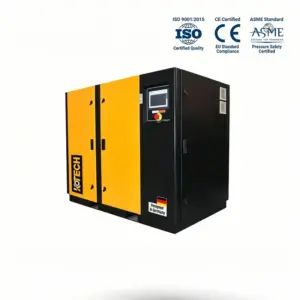
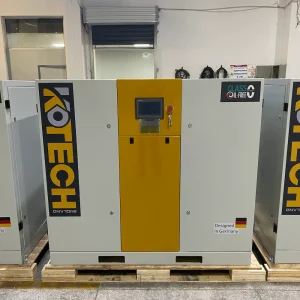
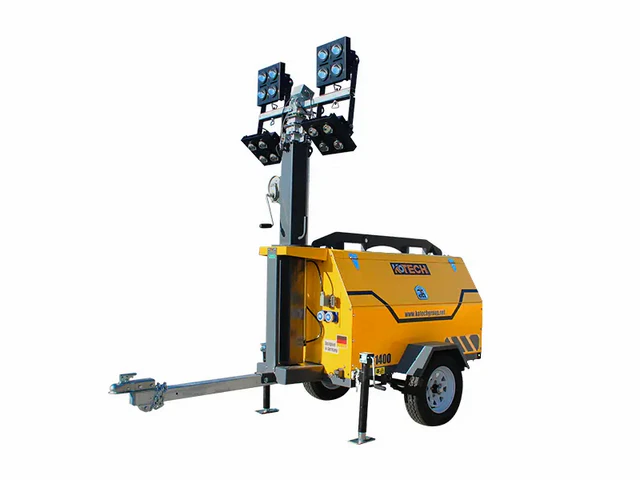
The choice between portable and stationary compressors depends heavily on your mine’s layout and operational flexibility. Portable air compressors, often skid-mounted or trailer-mounted, offer flexibility for surface mining, exploration sites, or specific tasks underground that require moving air sources. They’re typically diesel-powered, offering independence from electrical grids. Stationary compressors, on the other hand, are ideal for fixed plant applications, processing facilities, or extensive underground networks where a centralized compressed air system can be distributed via piping. These are usually electric, offering higher efficiency and lower emissions, but require significant infrastructure.
Beyond the Brochure: Real-World Performance & Operational Costs
The true performance of a mining air compressor isn’t just about its initial specs; it’s about how it performs day in and day out, and what it costs you over its lifespan.
Energy Efficiency: The Silent Profit Killer (and Saver)
Energy consumption is, without question, the largest operational cost component of any compressed air system. For a mine, where demand can vary wildly as shifts change or different operations kick in, a VSD compressor offers an undeniable competitive edge.
Reliability & Uptime: The True Measure of Value
In mining, downtime isn’t just an inconvenience; it’s a financial catastrophe. A single hour of lost production in a large-scale mining operation can cost tens of thousands, sometimes hundreds of thousands, of dollars. This is where reliability moves from a desirable feature to an absolute necessity. Look for ruggedized designs, heavy-duty components, and proven track records in harsh environments. Manufacturers offering extended warranties or comprehensive service contracts are often a good indicator of their confidence in a product’s durability. A 2023 report by Grand View Research noted a growing emphasis on robust, low-maintenance designs in industrial equipment markets, driven by the increasing cost of downtime across sectors like mining.
The Rise of Smart Compressors: IoT & Predictive Maintenance
Modern mining air compressors are increasingly equipped with IoT (Internet of Things) capabilities, allowing for remote monitoring of critical parameters like pressure, temperature, power consumption, and fault codes. This data enables predictive maintenance, shifting from reactive repairs to proactive interventions. For instance, sensors might detect an anomaly in motor vibration or air filter pressure before a major breakdown occurs, allowing maintenance teams to schedule service at a convenient time, preventing unexpected downtime. According to a 2024 analysis by Mordor Intelligence, the adoption of IoT in industrial equipment, including air compressors, is projected to significantly enhance operational efficiency and reduce unforeseen maintenance costs, with a market growth trajectory reflecting this trend.
Common Pitfalls & Overlooked Factors in Compressor Selection
Even with all the data, it’s easy to trip up.
Ignoring Altitude and Ambient Conditions
Air compressors are rated for performance at sea level. If your mine is at 5,000 feet, the actual FAD output will be significantly lower than the stated specification. Similarly, extreme ambient temperatures, both hot and cold, affect performance and longevity. High temperatures can lead to overheating and reduced efficiency, while extremely low temperatures require specialized lubricants and cold-start packages. Failing to account for these environmental factors leads to undersized systems and persistent performance issues. This is a boundary condition many overlook, assuming a compressor rated for “industrial use” can handle anything. It simply doesn’t apply universally.
Underestimating Maintenance & Serviceability
The initial purchase price is just the tip of the iceberg. The availability of spare parts, the complexity of routine maintenance, and the local service network are critical. A compressor might be cheap to buy, but if parts take weeks to arrive or only highly specialized technicians can service it, your total cost of ownership (TCO) will skyrocket due to prolonged downtime and inflated service fees. Always inquire about recommended service intervals, common wear parts, and the manufacturer’s local support infrastructure.
Actionable Strategies for Optimizing Your Mining Air System
To ensure your investment pays off, you need a proactive approach to selection and operation.
Conducting a Comprehensive Air Audit
Before buying anything, conduct a professional air audit. This involves measuring actual air demand, pressure drops, and energy consumption throughout your existing system. An audit identifies leaks, inefficient practices, and precisely quantifies your true air requirements. This data is invaluable for sizing new compressors correctly and optimizing existing ones. It’s the single best investment you can make to avoid costly mistakes.
Leveraging Variable Speed Drive (VSD) Technology
As mentioned, VSD compressors are ideal for mining operations with fluctuating air demand. The energy savings alone often justify the higher upfront cost within a few years. When demand drops, a VSD compressor slows down, consuming less power. This contrasts sharply with fixed-speed units that either run at full power or cycle on/off, both of which are less efficient during partial load.
Prioritizing Aftermarket Support & Parts Availability
Before committing to a brand, thoroughly investigate their aftermarket support. What’s their track record for parts availability in your region? Do they offer 24/7 technical support? Are factory-trained technicians available locally or within a reasonable timeframe? A strong support network minimizes downtime, which, as we’ve established, is paramount in mining.
The Future of Compressed Air in Mining: Sustainability & Automation
Looking ahead, the mining industry will continue to demand more from its air compressors. We’re seeing a strong push towards electric and even battery-powered compressors, particularly for underground operations, to reduce diesel emissions and improve air quality. Automation and AI integration will further enhance predictive maintenance capabilities, allowing compressors to self-diagnose and even order their own parts. Sustainability isn’t just a buzzword; it’s becoming a core design principle, driving innovation in energy recovery systems that capture waste heat for other mine processes.