
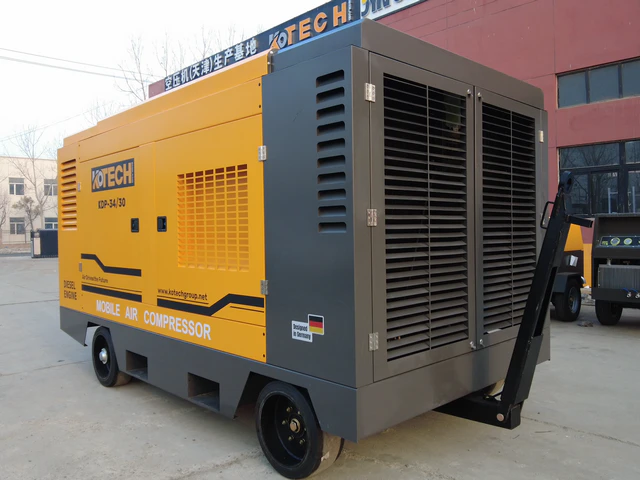
Elevating Mining Air Compressor Safety & Efficiency
Mining Air Compressor Safety & Operational Best Practices
The stakes in mining are always high. When it comes to air compressors—the lifeblood for everything from ventilation and drilling to pneumatic tools—safety isn’t just a compliance checkbox; it’s the bedrock of operational continuity and workforce well-being. Getting this right means avoiding catastrophic failures, costly downtime, and, most importantly, protecting lives.
Here are the key insights into modern mining air compressor management:
- Proactive Maintenance is Non-Negotiable: Regular, scheduled inspections and preventative maintenance are the single biggest factor in mitigating catastrophic failures and ensuring longevity.
- Technology Drives Safety & Efficiency: Integrating remote monitoring, IoT sensors, and predictive analytics isn’t just a trend; it’s essential for early anomaly detection and optimized performance.
- Training & Culture are Paramount: Even the most advanced systems fail without a well-trained crew and a deep-seated safety culture. Human error remains a significant risk factor.
- Energy Efficiency is a Profit Center: Optimizing compressed air systems can yield substantial energy savings, directly impacting the bottom line in an energy-intensive industry.
- Regulatory Compliance is Dynamic: Staying ahead of evolving safety standards, like those from MSHA or local authorities, requires continuous review and adaptation.
Understanding the Stakes: Why Safety Isn’t Optional
Mining environments, with their dust, moisture, extreme temperatures, and confined spaces, amplify every potential hazard. We’re talking about high-pressure systems that can cause severe injury or death if fittings fail, hoses rupture, or components explode. Beyond the immediate danger, compromised air quality from poorly maintained compressors can expose workers to contaminants, leading to long-term health issues. Operational best practices, therefore, aren’t just about efficiency; they’re about risk mitigation at every level.
The Cost of Complacency: Industry Data & Trends
Ignoring best practices carries a steep price. According to a 2023 report by Marsh McLennan, the average cost of a significant industrial accident (including those in mining) can reach into the millions, factoring in property damage, business interruption, and legal fees.
While specific compressor data can be hard to isolate, the general trend underscores the critical need for robust equipment safety protocols.
Proactive Measures: Foundations of Safe Operation
Implementing a robust safety and operational strategy starts with foundational elements.
Rigorous Preventative Maintenance Schedules
This is the bedrock. Daily visual checks, weekly functional tests, and scheduled major overhauls are non-negotiable. This includes inspecting hoses, fittings, valves, pressure relief devices, and air filters. Lubrication schedules must be strictly adhered to, using the correct lubricants for the harsh mining environment.
Comprehensive Operator Training and Certification
Even the most advanced compressor is only as safe as its operator. Training must cover not just operation, but also emergency procedures, lockout/tagout protocols, and hazard recognition specific to compressed air systems. Regular refreshers are crucial, especially as new equipment or procedures are introduced.
Strict Adherence to Lockout/Tagout (LOTO) Procedures
Before any maintenance or service work begins, equipment must be de-energized and locked out. This prevents accidental startup and energy release. It’s a fundamental safety practice that, when overlooked, has devastating consequences.
Proper Ventilation and Air Quality Monitoring
Compressors generate heat and can introduce contaminants if not properly maintained. Adequate ventilation prevents overheating and ensures a safe working environment. Air quality monitoring, especially for breathing air applications, is paramount to prevent worker exposure to CO, CO2, or other harmful substances.
Advanced Systems & Predictive Maintenance: Future-Proofing Your Fleet
The mining industry is rapidly adopting digital solutions, and air compressors are no exception.
Remote Monitoring and IoT Integration
Modern compressors can be equipped with sensors that monitor pressure, temperature, vibration, and energy consumption in real-time. This data, transmitted wirelessly, allows for remote monitoring, enabling early detection of anomalies before they escalate into failures.
Predictive Analytics and AI
Moving beyond reactive or even preventative maintenance, predictive analytics uses historical and real-time data to forecast potential equipment failures. AI algorithms can identify subtle patterns that human operators might miss, recommending maintenance actions *before* a problem manifests. This minimizes unscheduled downtime and optimizes maintenance schedules, reducing overall costs.
Energy Recovery Systems
Mining operations are energy-intensive. Heat recovery systems can capture the waste heat generated by compressors and repurpose it for other applications, such as heating water or buildings. This not only reduces energy costs but also lowers the operation’s carbon footprint, aligning with growing environmental compliance pressures.
When Standard Practices Fall Short: Boundary Conditions
It’s important to acknowledge that not every “best practice” applies universally. For instance, while advanced predictive maintenance systems are highly beneficial for large, critical, and continuously operating compressors, they might not be cost-effective for smaller, intermittently used units in less critical applications. In such cases, a more traditional time-based preventative maintenance schedule might be the more practical and economical approach. The key is to tailor the strategy to the specific compressor, its role, and the operational context. Simply throwing technology at every problem without considering its return on investment or applicability can lead to unnecessary complexity and cost.
Implementing a Culture of Excellence
Ultimately, the most sophisticated technology and detailed procedures are only as effective as the people implementing them. Fostering a strong safety culture, where every worker feels empowered to identify and report hazards, is paramount. Regular safety audits, incident investigations with a focus on learning (not just blaming), and continuous improvement cycles are essential. Leadership commitment to safety, demonstrated through resource allocation and consistent messaging, reinforces this culture from the top down.





