
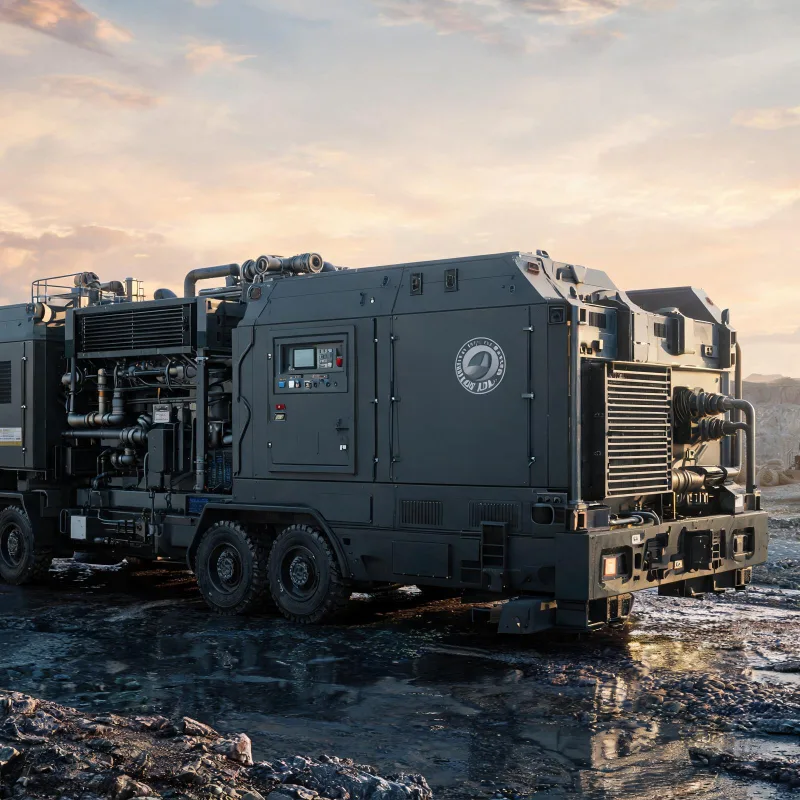
- Modular design is not recommended for small short-term artisanal mining operations
Comparison Framework
We compare two common approaches for adding compressed air capacity during expansion: one-size-fits-all fixed systems, and custom-built modular systems. We score both on five core metrics that directly impact expansion ROI: upfront capital cost, downtime during installation, energy efficiency, scalability, and 10-year lifecycle cost.
Most mine teams default to oversized fixed systems to cover future growth, which wastes capital and energy from day one. Others add mismatched off-the-shelf units that create pressure drops and maintenance headaches. This framework cuts through that confusion by tying every metric directly to your expansion timeline.
Key Performance Metric Definitions
Upfront capital cost covers equipment, delivery, and modification to your existing infrastructure. Downtime measures the total production hours lost during installation. Energy efficiency measures the specific power input per 100 CFM of delivered air, accounting for part-load operation common with phased expansion.
Scalability refers to how easily you can add capacity without replacing core equipment. Lifecycle cost combines capital, energy, maintenance, and downtime costs over a standard 10-year service life.
Tradeoffs for Different Operation Types
Fixed systems have a lower upfront price tag when you need all your capacity on day one. They work if you have a one-time capacity jump with no projected further growth over the next decade.
That premium pays for the engineered modular connections and custom integration with existing infrastructure. For most long-life mines, this premium is recouped within 3-5 years via energy savings and avoided downtime.
This modular design approach is not suitable for small, temporary artisanal mining operations with a projected lifespan of less than 3 years. The upfront premium will not be recouped before site closure, so a cheaper off-the-shelf fixed unit is a better choice.
Scenario Mapping
For open-pit mines adding a new satellite pit 2-3 years after initial launch, modular systems let you add a single matching module to your existing system, rather than replacing the entire unit. This cuts installation downtime from an average of 10 days for full replacement to 2 days for a new module.
For temporary production boosts during high commodity price cycles, modular units can be removed and redeployed to other sites after the peak, giving you more flexibility than permanent fixed installations.
On-Site Validation Steps
First, conduct a full audit of your existing air system to map current capacity, pressure drops, and leakage rates.
Second, map your 5 and 10-year production growth projections to get a clear timeline for when you will need additional capacity. If growth is phased over 5+ years, modular is a better fit.
Third, test the integration of a new modular unit with your existing system during a scheduled shutdown before committing to full expansion. This lets you catch pressure drop or compatibility issues before they impact full production.
Use Cases
- Phased open-pit mine production expansion
- Underground mine gradual capacity increase
- New satellite pit development connected to existing operations
- Temporary production boosts during high commodity price cycles
- Multi-site mining operations needing flexible capacity redeployment
Buyer Guide
1. Map your 5 and 10-year production growth timeline before sizing 2. Audit your existing air system to measure current available capacity 3. Prioritize modular designs for phased expansion longer than 3 years 4. Verify compliance with local mine safety regulations before procurement 5. Calculate 10-year lifecycle cost instead of only comparing upfront price
Specs Snapshot
- Operating temperature range: -40°C to 55°C
- Maximum pressure rating: 350 psig
- Per module capacity range: 500 CFM to 5000 CFM
- Noise rating: <75 dBA at 1 meter
- Compliance: OSHA 2023, ISO 12170:2021




