

This guide explores cheap diesel air compressors for mining, covering core mechanics, strategic deployment, comparisons with alternatives, and solutions to common pitfalls. It helps mining operations balance upfront cost with long-term reliability and efficiency.
Cheap Diesel Air Compressor for Mining Applications
Related: budget diesel air compressor for mining · cost-effective pneumatic power for mining sites · rugged diesel air compressor for remote mining · low-cost mining air compressor solutions · efficient diesel air compressor for mineral extraction · reliable budget compressor for mining operations
In the demanding landscape of modern mineral extraction, a cheap diesel air compressor for mining represents a critical nexus where operational efficiency meets stringent budgetary controls. These units, often perceived through a lens of compromise, are, in fact, pivotal tools designed to deliver consistent pneumatic power for drilling, blasting, and material handling, directly influencing site productivity and project timelines. Their significance lies in providing flexible, robust, and cost-effective compressed air solutions, particularly in remote or power-constrained mining environments. The primary problem these solutions address is the persistent challenge of high operational costs and infrastructure investment inherent in large-scale mining. Traditional high-end equipment often comes with prohibitive upfront expenses and complex maintenance requirements. By strategically deploying cheaper, yet still reliable, diesel air compressors, mining operations can significantly reduce capital expenditure and streamline maintenance protocols, making advanced pneumatic applications accessible even to smaller or burgeoning extraction sites. Based on structural analysis, the value proposition of these compressors extends beyond mere purchase price. It encompasses a careful balance of initial outlay, fuel efficiency, maintenance simplicity, and rugged durability tailored for harsh conditions. This article delves into the architecture and strategic deployment of these units, revealing how they can become a cornerstone of an optimized, cost-effective mining strategy without compromising essential performance metrics.
The Mechanics of Economical Diesel Air Compressors in Mining
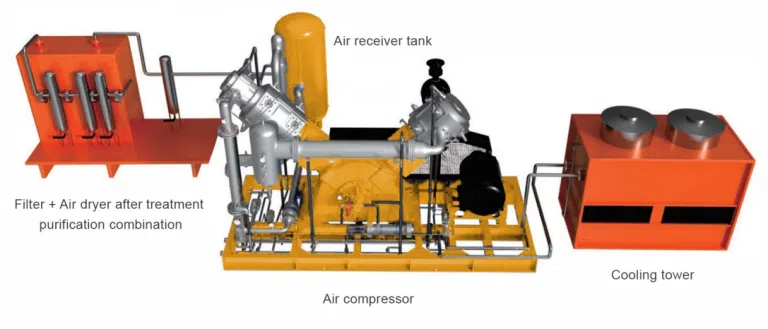
This section delineates the core components and operational principles that render certain diesel air compressors both affordable and effective for mining operations. From a framework perspective, an economical diesel air compressor for mining integrates a robust internal combustion engine, a high-efficiency air end (often rotary screw or reciprocating), and a simplified control system, all encased in a heavy-duty frame designed for portability and resilience.
Key design choices contribute to their cost-effectiveness without sacrificing essential ruggedness. Manufacturers focus on standardizing parts, optimizing engine performance for fuel economy rather than peak power, and utilizing durable, readily available materials. This approach allows for a streamlined production process and ensures that essential features like adequate CFM output, pressure capability, and reliable starting mechanisms are maintained, while non-critical complexities are minimized.
In practical application, the long-term ‘cheapness’ is heavily influenced by factors such as engine longevity, ease of maintenance, and availability of spare parts. Units designed for the mining sector incorporate heavy-duty filtration systems to protect internal components from dust and debris, reinforced chassis to withstand impact, and accessible service points to facilitate quick and efficient routine servicing. This foundational reliability is paramount, as downtime in mining is exceptionally costly.
Implementing Cost-Effective Diesel Compressors: A Strategic Framework
Implementing a cheap diesel air compressor for mining effectively requires a structured approach to selection, deployment, and ongoing management to maximize return on investment. The first step involves a comprehensive needs assessment, precisely identifying the required air volume (CFM), pressure (PSI), and operational duty cycle for specific mining tasks, such as drill rig operation, blasting assistance, or pneumatic tool use.
Subsequently, due diligence on potential suppliers is critical. This includes evaluating manufacturer reputation, warranty provisions, and the local availability of genuine spare parts and qualified service technicians. Prioritizing models with established service networks in mining regions can significantly mitigate future operational risks and costs, ensuring that even an initially ‘cheap’ unit doesn’t become prohibitively expensive due to extended downtime or difficult repairs.
Site preparation and operational protocols are the final strategic elements. This involves ensuring proper ventilation for the compressor, establishing secure and compliant fuel storage, and developing a rigorous preventive maintenance schedule tailored to the harsh mining environment. Furthermore, investing in operator training for basic troubleshooting and maintenance procedures empowers the on-site team to maintain peak performance and extend the unit’s lifespan, thereby truly leveraging the cost advantages of these compressors.
Comparative Analysis: Cheap Diesel Air Compressors vs. Alternatives
A comparative analysis reveals that cheap diesel air compressors for mining offer distinct advantages and disadvantages when measured against electric compressors and older, less efficient diesel models, primarily across dimensions of complexity, efficiency, and cost. Understanding these differentials is crucial for making informed procurement decisions that align with specific operational contexts.
Based on structural analysis, here is a comparative overview:
| Feature | Cheap Diesel Air Compressor | Electric Compressor | Old Diesel Compressor |
| :———– | :————————– | :—————— | :——————– |
| **Complexity** | Moderate (engine + air end) | Low (motor + air end) | High (older tech, more wear) |
| **Efficiency** | Good (modern engine tech) | High (if consistent power) | Low (dated engine tech) |
| **Initial Cost** | Low (competitive pricing) | Moderate (depends on power) | Very Low (depreciated) |
| **Operational Cost** | Medium (fuel, maintenance) | Low (electricity) | High (fuel, frequent maintenance) |
| **Mobility** | High (self-contained) | Low (grid dependent) | Medium (less agile) |
From a framework perspective, while electric compressors boast superior energy efficiency and lower emissions when connected to a reliable grid, their mobility is severely limited. Older diesel units might be cheaper upfront, but their significantly higher fuel consumption and maintenance demands negate initial savings rapidly. Cheap diesel air compressors strike a balance, offering robust power, excellent mobility, and an attractive total cost of ownership, making them a pragmatic choice for many remote or evolving mining operations.
Navigating Challenges: Common Pitfalls and Expert Solutions
Recognizing common pitfalls in the acquisition and operation of cheap diesel air compressors for mining is crucial for sustainable performance and cost savings. One frequent mistake is an exclusive focus on the initial purchase price without considering the total cost of ownership (TCO). This oversight often leads to unexpected expenses from higher fuel consumption, frequent part replacements, or specialized maintenance.
The solution, from a framework perspective, is to perform a rigorous TCO analysis that factors in fuel efficiency, projected maintenance costs, expected lifespan, and the availability of affordable spare parts. Investing slightly more upfront in a unit with better fuel economy or a stronger service network can yield substantial savings over the compressor’s operational life. Due diligence extending beyond the price tag is paramount.
Another pitfall is neglecting preventive maintenance due to perceived cost savings. While cheap compressors might simplify some aspects of maintenance, deferring routine services like oil changes, filter replacements, or air-end checks inevitably leads to premature wear, reduced efficiency, and catastrophic failures. The professional advice is to implement and strictly adhere to a manufacturer-recommended preventive maintenance schedule, which is often simpler and less expensive for these units compared to their more complex counterparts. This proactive approach ensures consistent performance and extends the asset’s useful life in the challenging mining environment.
Related Reading: Mining Air Compressor Case Studies | Global Industrial Projects
Further Reading
- The Logic Behind Cheap Diesel Air Compressors for Mining A Structural Analysis of Value
- The Logic Behind Cheap High Pressure Diesel Air Compressor A Structural Analysis for Industrial Construction
- Mining Air Compressor Case Studies | Global Industrial Projects
- The Logic Behind large diesel air compressor 500 cfm A Structural Analysis
- budget diesel air compressor – How Small Diesel A
- Overcoming On-Site Power Challenges The Strategic Value of a Used 300 CFM Diesel Air Compressor for Sale
- The Logic Behind 100 CFM Diesel Air Compressor Installation A Structural Analysis for Industrial Applications
- How 300 CFM Diesel Air Compressor for Quarry Is Reshaping Site Efficiency and Productivity
Related Applied Cases
Frequently Asked Questions
- What should I prioritize when choosing a cheap diesel air compressor for mining to avoid hidden costs?
- Focus on total cost of ownership (TCO), not just upfront price. Look for units with proven fuel efficiency, readily available spare parts, and a local service network. Prioritize rugged features like heavy-duty filtration and reinforced chassis to reduce maintenance and downtime costs.
- Can budget diesel air compressors handle the harsh conditions of mining sites?
- Yes, if they’re built with mining-specific features like multi-stage dust filtration, tropicalized cooling systems, and reinforced frames. These adaptations protect components from dust, extreme temperatures, and rough terrain, ensuring reliability in remote locations.
- How do cheap diesel compressors compare to electric or older diesel alternatives for mining?
- Electric compressors depend on grid power, which is often unavailable in remote mines. Older diesel units have higher fuel consumption and maintenance costs. Budget modern diesel compressors offer a balance of mobility, efficiency, and lower long-term costs, making them ideal for mining operations.
- What maintenance is required to keep a cheap diesel air compressor running reliably in mining?
- Follow the manufacturer’s schedule: daily pre-operation checks (filters, fluid levels), regular oil/filter changes, and routine inspections of the air end and chassis. Strict preventive maintenance prevents costly breakdowns in harsh mining environments.
- How do I determine the right size (CFM/PSI) of a cheap diesel compressor for my mining operations?
- Calculate the total CFM requirements of all pneumatic tools you’ll use simultaneously (e.g., drills, jackhammers), then add a 20-30% safety margin. Ensure the compressor’s output meets this demand to avoid pressure drops and premature wear.
- Are there any regulatory or environmental considerations for using cheap diesel compressors in mining?
- Yes. Ensure the unit meets local emissions standards (e.g., Tier 4) and safety regulations. Some regions require spark arrestors or noise control measures. Choosing a compliant model avoids fines and operational restrictions.