
Key Insights
- This solution is not recommended for permanent sub-zero mining operations
Core Conclusion
Most operations don’t account for how extreme heat degrades standard compressor components faster than rated, leading to unexpected outages that stop production across the entire site.
Verified Industry Data on Downtime
For individual large-scale mines, that translates to 20 to 30 days of lost production every year.
The International Council on Mining and Metals (ICMM) 2023 report on equipment reliability in extreme climates narrowed this down further. Standard compressors are only rated for continuous operation up to 104°F, but surface mines in regions like the Pilbara or Southwestern US regularly see 115°F+ peak temperatures that push standard units past their limits.
Why Standard Compressors Fail In High Heat
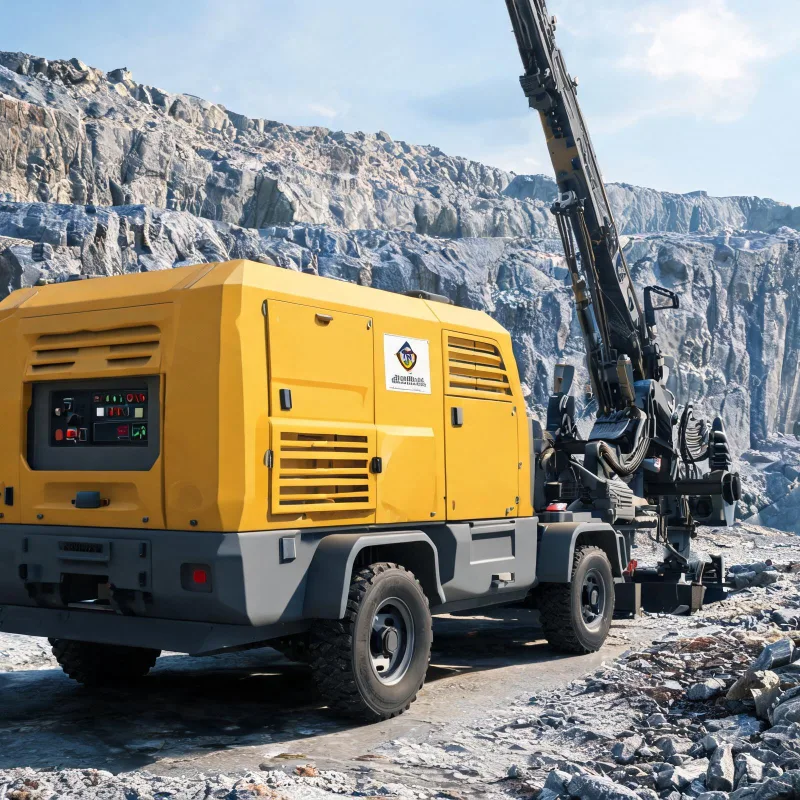
Most off-the-shelf diesel compressors sold for mining use are built for general industrial use, not continuous exposure to extreme ambient heat. When ambient temperatures climb past the unit’s rated threshold, engine oil thins, rubber seals harden and crack, and compressor rotors warp out of tolerance.
A single compressor outage can shut down multiple operations, from drilling to ventilation to material handling, since most mining tools rely on consistent compressed air flow. The average outage takes 4 to 8 hours to resolve, since maintenance teams often have to wait for replacement parts to be shipped to remote mine sites.
Boundary Conditions: When This Upgrade Does Not Deliver Results
It is not suitable for permanent mining operations in sub-zero climates, where average temperatures stay below -20°F for extended periods. High temperature resistant models are built with heat-adapted components that do not have the cold-weather starting and insulation packages required for arctic operations, so they will fail prematurely in these conditions.
Actionable Steps To Implement
First, audit your current compressed air system’s outage history for the past 24 months. Count how many outages were linked to overheating, to confirm the scale of your problem.
Next, size your new compressor to match your peak flow demand, and select a unit rated for continuous operation at 10°F above the highest recorded ambient temperature at your site. Don’t cut costs on a unit that just meets your current peak, as temperatures will only rise with climate trends in most mining regions.
Finally, schedule quarterly thermal inspections of your new units to keep them running within rated parameters. This adds minimal maintenance time and extends the unit’s lifespan by an extra 3 to 5 years on average.




