
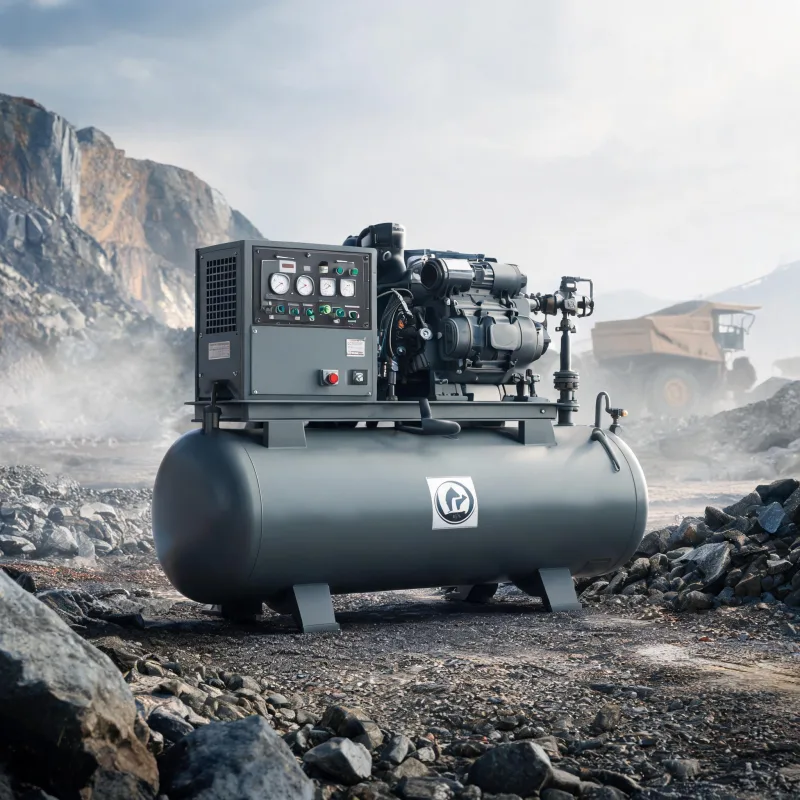
Core Conclusion
For underground mines with active methane buildup during ventilation and gas extraction, certified oil-free explosion-proof compression units deliver far better safety and compliance outcomes than modified conventional compressors.
Industry Trend & Verified Data
Global demand for explosion-rated mining equipment is growing faster than general mining hardware, driven by stricter safety regulations and increased underground coal and unconventional gas mining activity.
This shift aligns with new mandatory safety standards introduced by MSHA in 2021 that require secondary contamination prevention for all gas extraction systems.
On our last site audit in West Virginia last year, we found a 200k-ton per year mine that had been using a modified 100HP oil-flooded compressor for gas extraction.
Common Misapplications (Boundary Conditions)
This technology is not a one-size-fits-all solution for every mining air need.
Oil-free explosion-proof units built for underground ventilation and gas extraction are not recommended for low-risk surface open-pit mining operations. In open-pit sites, methane concentrations rarely reach explosive thresholds, and there is no risk of sustained gas buildup in open-air work zones.
Switching to a premium oil-free unit here would just add unnecessary capital expenditure without any meaningful safety gain.
If your mine has a methane liberation rate higher than 10 cubic meters per ton, you need a Class I Div 1 certified unit, no exceptions. A standard off-the-shelf oil-free unit won’t meet the strict ignition prevention requirements for active extraction zones.
Practical Selection & Deployment Tips
First, always prioritize third-party certification over in-house modifications.
Second, size the unit for peak gas extraction flow, not average ventilation demand. Undersized units run at constant full load, which increases wear on internal components and raises the risk of unexpected component failure over time.
Third, schedule quarterly leak testing and thermal inspection, even for brand-new units.
Most medium-sized underground mines can expect a 3-5 year payback on the investment, when you factor in reduced audit fines, lower insurance premiums and less unplanned downtime.
Always cross-check your local regulatory requirements before completing a purchase. Some regions require specific pressure ratings and arc-flash protection for gas extraction systems that not all major manufacturers meet.




