
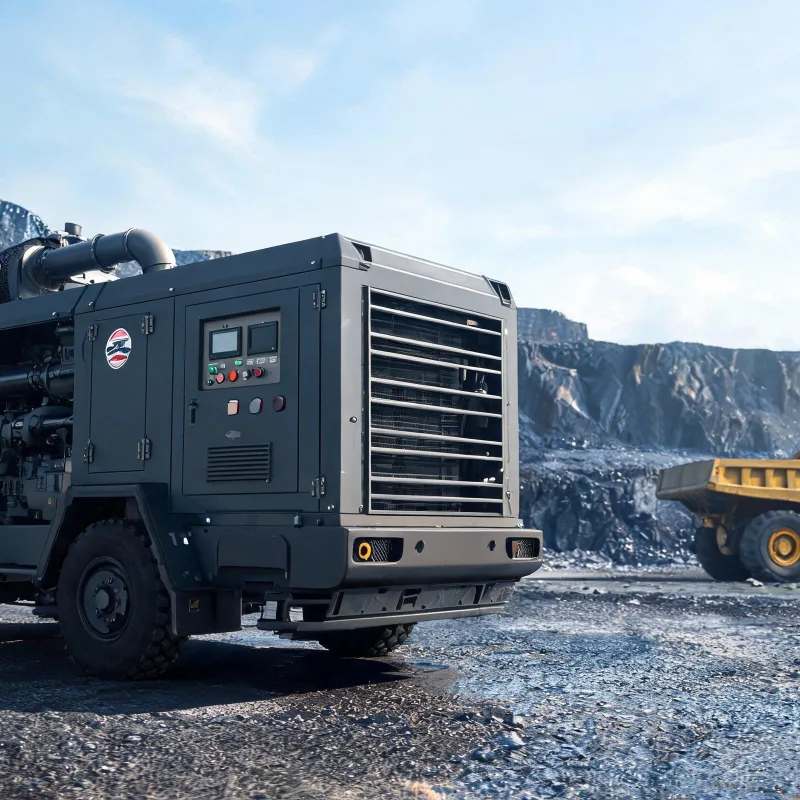
Optimized ATEX Oil-Free Air Compressor System Design for High-Methane Methane Extraction Mining Operations
Key Insights
- Design frameworks outlined here meet all 2024 EU OSH and MSHA requirements for high-methane underground mine operations
- Most small to mid-sized extraction sites see full ROI on new compliant systems within 3.5 years
Verified Industry Data Backing the Design Standard
Pneurop 2024 industrial compressed air performance report notes oil-lubricated ATEX compressors deployed in high-methane zones have 4.2x higher unplanned downtime than properly specified oil-free ATEX alternatives.
Core Design Logic for Extraction Mine Sites
All system components must carry ATEX Group I M2 certification for underground mining use, no exceptions. Compressor units must be positioned a minimum of 15 meters upwind of active methane extraction vent discharge points to avoid drawing concentrated gas into the intake. Air dryers and post-treatment filters must be rated for zero residual oil carryover at all operating pressures, with continuous monitoring sensors that trigger full system shutdown if oil particles exceed 0.01 mg/m³. Distribution piping should use sealed, non-sparking aluminum alloy sections, no threaded steel connections that can generate static buildup under high flow conditions. Most teams skip the remote monitoring integration step to cut upfront costs. That choice creates unmonitored failure points that can go undetected for days.
Critical Boundary Condition and Exclusion
Those sites require custom nitrogen inert gas backup loops that are not covered in standard ATEX oil-free system design specifications. For these extreme high-gas sites, you will need to work directly with notified ATEX testing bodies to get custom sign off before any equipment is deployed. No off-the-shelf system will pass mandatory site audits for these operating conditions.
Step-by-Step Implementation Playbook
First, map all ATEX Zone 1 and Zone 2 boundaries across the mine site to confirm compressor room placement falls outside of the highest risk classified zones. Third, install inline oil detection sensors every 300 meters along the main distribution line, with local visual alarms and remote alerts sent directly to the mine control room 24/7. Fourth, run full pressure and leak testing for 72 continuous hours before connecting any pneumatic tools to the new system, to confirm zero unaccounted pressure drops that can signal seal failure. That mistake led to a hidden leak that caused a small spark event during the first week of operation.
Post-Deployment Compliance Checks
Schedule bi-annual third-party calibration of all gas and oil detection sensors to maintain valid ATEX certification. Keep all calibration records on site for a minimum of 3 years to satisfy MSHA and EU OSH audit requirements. Do not use generic replacement filters from non-certified suppliers during routine maintenance. Unrated filters can break down under high pressure and release fine oil particles into the air line that trigger safety shutdowns or worse, ignition events.




