Navigating the Global Mining Air Compressor Landscape
The global mining air compressor market is currently navigating a period of significant transformation. It’s a complex landscape, but one that presents clear opportunities for those equipped to adapt.
Here are the Key Insights:
- Energy efficiency and sustainability are non-negotiable drivers, with Variable Speed Drive (VSD) and electric-powered units dominating new investments.
- Aftermarket services and predictive maintenance solutions are becoming critical competitive differentiators, extending equipment lifespan and reducing downtime.
- Automation and remote monitoring capabilities are essential for optimizing operational expenditure (OPEX) in increasingly complex and often remote mining environments.
- Geographic growth will be concentrated in regions rich in critical minerals, particularly Africa, Latin America, and parts of Asia-Pacific.
Understanding the Current Scale and Growth Trajectory
The global market for industrial compressed air systems within the mining sector shows consistent expansion.
Demand for essential minerals like copper, lithium, nickel, and rare earth elements—critical for the energy transition and advanced manufacturing—is a primary accelerator. As the world pushes for electrification and digital transformation, the need for these raw materials intensifies, directly translating into increased capital expenditure (CAPEX) for new mining projects and expansions. This, in turn, boosts the procurement of heavy-duty air systems, including both stationary and portable air compressors.
Key Drivers Shaping Market Expansion
Several factors are converging to drive the expansion of the mining air compressor market:
- Surging Commodity Demand: The electric vehicle (EV) revolution and renewable energy infrastructure projects are fueling an unprecedented demand for battery metals and other critical minerals. This necessitates greater extraction volumes, requiring more powerful and efficient compressed air solutions for drilling, blasting, material handling, and ventilation.
- Technological Advancements: Innovations in compressor technology, such as Variable Speed Drive (VSD) systems, permanent magnet motors, and advanced control algorithms, are offering significant energy savings. These technologies are crucial for mines looking to reduce their operational expenditure (OPEX) and carbon footprint.
- Automation & Digitalization: The integration of automation, remote monitoring, and predictive maintenance systems is transforming mine operations. Compressed air equipment that can seamlessly integrate into these digital ecosystems offers enhanced uptime, optimized performance, and reduced manual intervention, especially in hazardous or remote locations.
Future Forecast: Trends and Opportunities to 2030
Looking ahead, the market will continue to be shaped by these macro trends, but with a sharper focus on specific areas.
The Rise of Electric and VSD Compressors
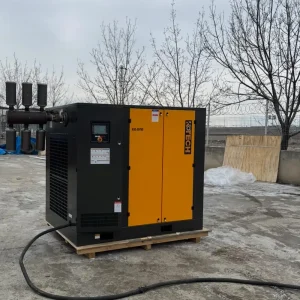
The move away from diesel-powered compressors in favor of electric and VSD units will accelerate. While diesel units will retain their niche in highly remote, off-grid exploration sites, the long-term trend for established mines is clear. Electric VSD compressors offer superior energy efficiency, lower noise levels, and zero direct emissions, aligning perfectly with sustainability goals. Our firm has seen a dramatic increase in inquiries for these types of units, especially from major mining houses committed to net-zero targets.
Aftermarket & Service Excellence as a Differentiator
As equipment becomes more sophisticated, the importance of robust aftermarket support cannot be overstated. Predictive maintenance, enabled by IoT sensors and data analytics, allows operators to anticipate failures, schedule maintenance proactively, and minimize costly unplanned downtime. This translates directly into improved productivity and lower total cost of ownership (TCO). Companies that can offer comprehensive service packages, including remote diagnostics and rapid spare parts delivery, will gain a significant competitive edge.
Geographic Hotspots for Growth
Regions with abundant critical mineral reserves will naturally drive demand. Africa, with its vast deposits of copper, cobalt, and lithium, is set to be a major growth engine. Latin America, particularly countries like Chile and Peru, rich in copper, will also see substantial investment in modern mining infrastructure and associated compressed air equipment. Additionally, the ongoing development of mineral resources in parts of Asia-Pacific, driven by domestic industrialization, will contribute to market expansion.
Boundary Conditions & Practical Considerations
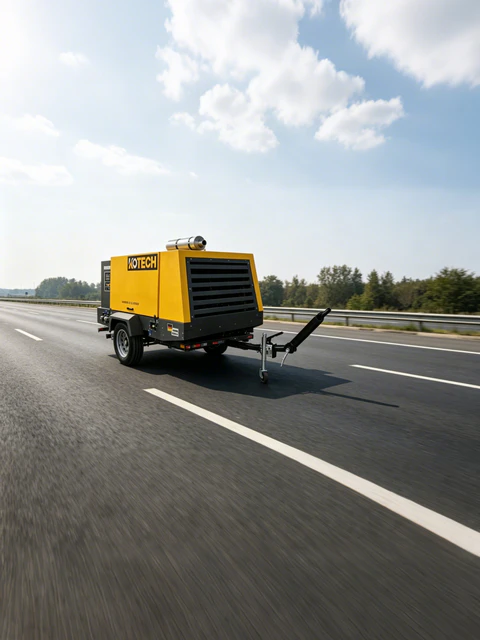
While the overall outlook is positive, it’s crucial to acknowledge that the adoption of advanced compressor technology isn’t universally uniform. For instance, smaller, junior mining operations, often with limited access to grid power and tighter capital budgets, may still favor more traditional, robust diesel-driven portable compressors for their flexibility and lower upfront cost. The economic viability of a high-efficiency VSD system, despite its OPEX savings, only truly shines over a longer operational lifespan and with consistent utilization. Short-term, intermittent projects often don’t justify the higher initial CAPEX.
Moreover, the availability of skilled labor for maintenance and operation of sophisticated digitalized systems remains a challenge in many remote mining regions. This creates a dependency on comprehensive training programs and strong local support networks from equipment suppliers.
Actionable Strategies for Mine Operators
- Conduct a Comprehensive Energy Audit: Before any new investment, understand your current compressed air demand, leakage rates, and system inefficiencies. This baseline is critical for making informed decisions. Many operators are surprised by the savings potential here.
- Prioritize Total Cost of Ownership (TCO): Look beyond the initial purchase price. Factor in energy consumption, maintenance costs, expected lifespan, and potential downtime. A higher-CAPEX VSD electric compressor often delivers superior TCO over its operational life compared to a cheaper, less efficient alternative.
- Invest in Smart Technology: Embrace remote monitoring and predictive maintenance. These systems can flag potential issues before they become critical failures, optimizing uptime and significantly reducing maintenance costs.
- Align with ESG Goals: Choose equipment that helps meet your sustainability targets. Electric-powered compressors, advanced filtration systems, and oil-free options contribute to a greener operation and improve your company’s ESG profile.
- Partner with Experienced Suppliers: Select vendors who offer strong local support, training, and a proven track record in the mining sector. Their expertise in harsh environments and commitment to aftermarket service is invaluable. We’ve seen firsthand how a reliable service partner can literally keep a mine running smoothly.
The mining air compressor industry is dynamic, driven by global economic shifts and technological innovation. By focusing on efficiency, sustainability, and smart operational strategies, mining companies can not only meet future demands but also achieve significant competitive advantages.