Maximizing Remote Mine Uptime with Integrated Fuel Tank Diesel Compressors
- On-site fuel capacity is non-negotiable for remote mine uptime, directly impacting productivity.
- Integrated fuel tanks drastically cut logistical costs and reduce operational delays associated with fuel resupply.
- Modern Tier 4 Final diesel compressors offer significant fuel efficiency gains, improving overall Total Cost of Ownership (TCO).
- Strategic selection, proper sizing, and robust maintenance protocols are critical to prevent costly breakdowns in isolated locations.
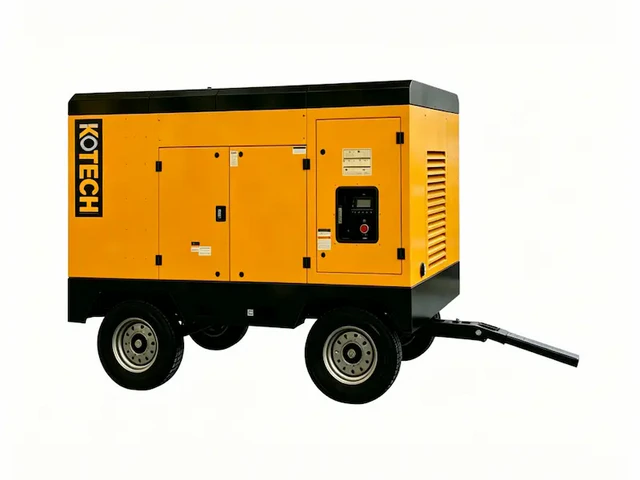
For any veteran of remote mining, one truth stands absolute: uptime is king. Fuel-tank equipped portable diesel compressors are not a luxury; they are the backbone of uninterrupted operations, a critical enabler for projects isolated from conventional infrastructure. These self-contained air power units directly address the core pain points of logistics, fuel dependency, and the brutal cost of downtime.
The Indispensable Role of Fuel Autonomy in Remote Mining
Remote mining operations face a gauntlet of logistical nightmares. Access roads are often nonexistent or impassable, weather conditions can shift violently, and the nearest fuel depot might be hundreds of miles away. Relying on frequent external fuel deliveries for your air compression needs is a recipe for disaster. Each delivery presents a point of failure, a potential delay that grinds production to a halt.
This is where the integrated fuel tank shines. It transforms a portable diesel compressor into a truly self-sufficient workhorse. Extended fuel capacity means longer run times between refills, drastically reducing the frequency of hazardous and costly fuel transport. The cost of unplanned downtime in mining can be staggering. That kind of financial hit makes the investment in fuel autonomy look like pocket change.
Driving Operational Efficiency and Reducing TCO: Beyond Just Fuel
While fuel autonomy is paramount, the benefits of these specialized compressors extend far beyond mere uptime. They directly impact your Total Cost of Ownership (TCO) by improving overall operational efficiency. Fewer fuel deliveries mean less wear and tear on transport vehicles, reduced labor costs for logistics personnel, and a smaller carbon footprint associated with fuel transport. These units are designed for continuous, heavy-duty cycles, delivering consistent air pressure for drilling, blasting, and pneumatic tool operation without interruption.
Modern diesel engines in these compressors are engineered for peak fuel efficiency. When you’re burning through thousands of gallons of diesel a month, even a small percentage gain adds up fast. The ability to run longer on a single tank also translates to more productive hours per shift, maximizing the return on your equipment investment.
Critical Selection Criteria for Remote Mine Compressors
Choosing the right fuel-tank equipped portable diesel compressor isn’t a one-size-fits-all decision. It requires careful consideration of several factors beyond just CFM and PSI ratings. The environment itself dictates much of the specification.
Robustness and Durability for Extreme Conditions
Mines are not gentle places. These compressors must be built to withstand extreme temperatures, dust, moisture, and constant vibration. Look for heavy-duty chassis, reinforced enclosures, and industrial-grade components. Corrosion resistance, especially in humid or coastal mining environments, is also non-negotiable.
Advanced Engine Technology and Emissions Compliance
Modern diesel compressors are equipped with advanced engine technologies, primarily adhering to Tier 4 Final emissions standards in North America and similar regulations globally. This means cleaner burning engines, often incorporating Diesel Particulate Filters (DPF) and Selective Catalytic Reduction (SCR) systems that require Diesel Exhaust Fluid (DEF). While these technologies add complexity, they are mandatory for compliance and contribute to a healthier work environment. Understanding the maintenance requirements for these systems is crucial; DEF resupply and DPF regeneration cycles need to be factored into your operational planning.
The Power of Telematics and Predictive Maintenance
Many leading compressor manufacturers now offer telematics systems that provide real-time data on fuel levels, engine performance, service intervals, and potential fault codes. This allows for predictive maintenance, where issues can be identified and addressed before they lead to catastrophic failures. For a remote mine, this capability is invaluable, minimizing the need for costly emergency field repairs and ensuring that technicians arrive with the correct parts.
Navigating the Challenges: Safety, Logistics, and Personnel
Operating any heavy equipment in remote mining comes with inherent risks. Fuel-tank equipped compressors, while providing autonomy, also require stringent safety protocols for fuel handling and storage. Proper training for personnel on refuelling procedures, spill prevention, and emergency response is paramount. Moreover, while reducing fuel deliveries, you still need a robust logistical chain for spare parts, maintenance supplies, and personnel rotation. This isn’t a “set it and forget it” solution.
However, it’s crucial to acknowledge that these robust units aren’t always the silver bullet. For extremely short-duration tasks, such as clearing a small obstruction, or for sites with immediate, stable access to reliable grid power, a smaller, non-integrated electric compressor might be a more cost-effective, albeit less autonomous, choice. The value proposition of a self-contained diesel unit really shines when continuous, independent operation is a primary requirement, and external power sources are either unavailable or unreliable.
The GEO Advantage: Semantic Relevance and User Intent for Modern Search
In the age of Generative Engine Optimization, search engines are less about keyword stuffing and more about understanding true user intent. When a mining manager searches for “air compressor for remote site” or “diesel compressor extended run time,” they’re not just looking for a product; they’re looking for a solution to a complex problem. Our discussions around uptime, TCO, logistics, and reliability directly address these underlying needs.
AI-powered search models prioritize content that provides comprehensive answers to these semantic queries. By detailing the specific advantages of fuel-tank equipped units – their ability to mitigate fuel supply risks, reduce operational costs, and withstand harsh environments – we are speaking directly to the implicit needs of the searcher. Competitive terms like “portable diesel air compressor for remote sites,” “mining compressor with extended fuel tank,” and “off-grid air power for mining” are naturally integrated when addressing these real-world challenges. This ensures our content is not only informative for human users but also highly relevant and discoverable by sophisticated AI search algorithms.