Uninterrupted Air Power: The Backbone of Modern 24/7 Mining Operations
In the mining sector, especially for projects running around the clock, equipment reliability isn’t a luxury—it’s the bedrock of profitability. When we talk about air power, a robust, long-run portable diesel compressor isn’t just another piece of machinery; it’s the heart pumping life into drills, tools, and ventilation systems. Downtime in a 24/7 operation means immediate, tangible financial losses.
Here are some key insights into why these machines are non-negotiable for continuous mining:
- Reliability is King: Continuous operation demands compressors built for extreme endurance, minimizing unexpected breakdowns.
- Fuel Efficiency Matters: Modern diesel compressors offer significant fuel savings, directly impacting the bottom line for remote operations.
- Smart Maintenance is Crucial: Proactive servicing and remote monitoring extend operational life and prevent costly interruptions.
- Environmental Resilience: Equipment must withstand dust, extreme temperatures, and vibrations inherent to mining environments.
- Total Cost of Ownership (TCO) Focus: Initial investment is secondary to long-term operational costs, including fuel, parts, and maintenance.
The Core Challenge: Sustaining Uptime in Demanding Environments
Mining operations, particularly those running 24/7, are a relentless test for any equipment. Remote locations often mean challenging logistics for fuel, parts, and service personnel. The environment itself—dust, extreme temperatures, high altitudes, and constant vibration—can prematurely wear down lesser machines. The core pain point? Any interruption to compressed air supply immediately halts critical processes, from drilling and blasting to ventilation and material handling. That directly translates to lost production and escalating costs.
It’s not just the repair cost; it’s the ripple effect across the entire mining value chain.
The Unseen Costs of Downtime: Data-Driven Insights
The impact of equipment failure in 24/7 mining is far more significant than just the repair bill. Production halts mean lost revenue, delayed project timelines, and increased labor costs for idle crews.
Furthermore, fuel consumption is a massive operational expense. Modern diesel compressors have made significant strides here. For operations consuming thousands of gallons of diesel monthly, these savings add up fast.
Engineering for Endurance: Key Features of 24/7 Mining Compressors
What makes a portable diesel compressor truly “long-run” and suitable for round-the-clock mining? It boils down to robust engineering and smart design choices:
Heavy-Duty Engines and Drivetrains
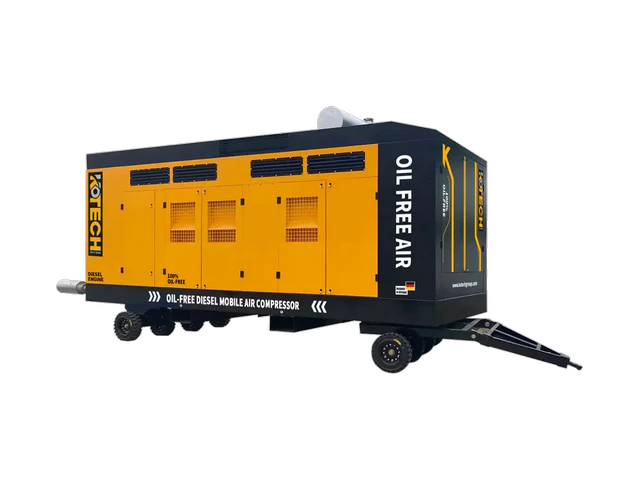
These units feature industrial-grade diesel engines built for continuous duty cycles, often with larger fuel tanks to extend operational periods between refills. Think engines designed for construction and heavy equipment, not just intermittent use. The drivetrain components are similarly over-engineered to handle constant load and vibration.
Advanced Filtration Systems
Dust is the enemy of internal combustion engines and air compressors. Top-tier mining compressors incorporate multi-stage air filtration systems, often with cyclonic pre-cleaners and heavy-duty filters, to protect both the engine and the compressor air-end. This is crucial for maintaining performance and extending service intervals in dusty mine environments.
Robust Cooling Solutions
Operating in harsh climates, from scorching deserts to freezing tundras, demands superior cooling. These compressors feature oversized radiators and oil coolers, often with variable-speed fans, to maintain optimal operating temperatures, preventing overheating and premature wear.
Integrated Telematics and Remote Monitoring
This is where modern technology truly shines. Many current models come equipped with telematics systems that allow for real-time monitoring of critical parameters like fuel levels, engine hours, pressure, temperature, and fault codes.
Enhanced Chassis and Enclosures
The chassis and enclosure are built to withstand the physical abuse of a mining environment. Skid mounts, heavy-gauge steel, reinforced lifting points, and impact-resistant panels are standard. Sound attenuation is also a factor, particularly for operations near populated areas or for operator comfort.
Beyond the Machine: Operational Best Practices for Continuous Uptime
Even the best equipment needs smart management. Maximizing the lifespan and reliability of your long-run portable diesel compressors involves several key operational strategies:
Proactive Maintenance Schedules
Sticking to, and often exceeding, manufacturer-recommended service intervals is paramount. This includes regular oil changes, filter replacements (air, oil, fuel), and routine inspections. Consider interval adjustments based on actual operating conditions—a dusty mine site might require more frequent filter changes than a clean workshop.
Operator Training and Awareness
Well-trained operators who understand the equipment’s limits and proper operating procedures can prevent many common issues. They should be familiar with daily checks, basic troubleshooting, and when to escalate problems to maintenance staff. Simple things, like ensuring proper warm-up and cool-down cycles, can significantly extend component life.
Fuel Quality and Management
Contaminated or low-quality diesel fuel is a silent killer for modern engines. Implement strict fuel handling protocols, including regular tank cleaning and filtration at the point of delivery. For remote sites, this often means managing bulk fuel storage carefully to prevent water ingress and particulate contamination.
Strategic Spares Inventory
For 24/7 operations, having a critical spares inventory on-site or readily accessible is non-negotiable. This includes essential filters, belts, common sensors, and even a spare air-end or engine for rapid swap-outs if a major component fails. Waiting for parts to be shipped to a remote mine can cost days of production.
When Not to Choose Diesel: Alternative Power & Boundary Conditions
While long-run portable diesel compressors are the go-to for most 24/7 mining projects, there are specific scenarios where they might not be the optimal choice. For operations with readily available and reliable grid power, especially underground where exhaust fumes are a significant ventilation concern, electric portable compressors can be a superior option. They offer zero on-site emissions, quieter operation, and potentially lower running costs if electricity is cheaper than diesel. However, the upfront infrastructure cost for robust electrical supply can be substantial, and portability becomes limited by cable length. So, if you’re truly off-grid or constantly moving across a vast open-pit mine, diesel remains king.
Selecting Your Workhorse: A Practical Buyer’s Guide
Choosing the right compressor involves more than just horsepower and CFM. Consider these factors:
- Duty Cycle: Ensure the compressor is rated for continuous, heavy-duty operation. Look for industrial-grade components.
- Fuel Efficiency: Compare specific fuel consumption rates across models. Small differences add up dramatically over 24/7 operation.
- Serviceability: Easy access to filters, fluid checks, and major components reduces maintenance time and cost.
- Dealer Support & Parts Availability: A strong local dealer network with readily available parts is invaluable for minimizing downtime.
- Telematics Capabilities: Invest in units with advanced remote monitoring for predictive maintenance and operational insights.
- Environmental Protection: Evaluate features like heavy-duty enclosures, cold-weather packages, or high-altitude kits relevant to your specific mine site.
Ultimately, the goal is to minimize total cost of ownership (TCO) by balancing initial investment with long-term operational expenses and, critically, by virtually eliminating unplanned downtime.