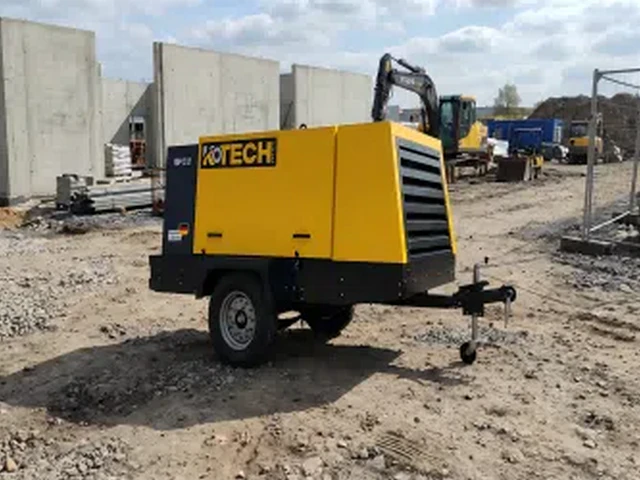
Selecting the Right Portable Diesel Air Compressor for Mining Operations
The mining sector, by its very nature, pushes equipment to its absolute limits. When it comes to pneumatic power, a generic portable diesel air compressor is often a recipe for costly downtime and operational headaches. What mining operations truly need are purpose-built machines engineered from the ground up to withstand extreme temperatures, pervasive dust, relentless vibration, and the sheer remoteness of many sites. These aren’t just compressors; they’re the lifeline for drills, jackhammers, ventilation systems, and dewatering pumps, directly impacting productivity and safety.
Key Insights:
- Standard compressors fail rapidly in mining environments, leading to significant financial losses.
- Specialized filtration, heavy-duty chassis, and advanced engine technology are non-negotiable for uptime.
- Fuel efficiency and remote monitoring capabilities offer substantial operational cost savings and improved maintenance planning.
- Choosing the right compressor impacts safety, productivity, and overall project profitability.
Why Mining Demands More Than Standard Portable Air Compressors
Mining isn’t just a tough job; it’s a brutal operating environment. We’re talking about conditions that would sideline conventional industrial equipment within weeks. Dust, often silica or coal dust, is abrasive and everywhere. Temperatures swing wildly, from sub-zero in winter to scorching heat in summer. Remote locations mean service is expensive and slow. And the demand for continuous operation is relentless.
The Unseen Costs of Equipment Failure in Mining
Unscheduled downtime is a silent killer of mining profitability. In mining, where massive capital investments are tied up in machinery and labor, these figures are often at the higher end. A compressor failure can halt drilling, delay blasting, or compromise ventilation, creating a domino effect across the entire production chain.
Consider the fuel economy, too. Remote sites mean fuel transport is expensive.
Essential Features for Mining-Grade Portable Diesel Air Compressors
When evaluating portable diesel air compressors for mining, focus on these critical design elements. They represent the difference between a workhorse and a write-off.
Robust Construction and Chassis Design
The frame and enclosure must be heavy-duty. We’re talking about thick-gauge steel, reinforced undercarriages, and protective coatings. These machines endure constant vibration from transport over rough terrain and the operational shocks of a mining site. Look for features like fully enclosed skids or heavy-duty axles with robust suspension if it’s trailer-mounted. A unit that can withstand accidental impacts from other heavy machinery is a bonus, not a luxury.
Advanced Filtration Systems
Dust is the enemy. Standard air filters won’t cut it. Mining compressors require multi-stage air filtration for both the engine and the compressor airend. This often includes cyclonic pre-filters, heavy-duty primary filters, and sometimes secondary safety filters. For the engine, the same applies, protecting vital components from abrasive particles. Without superior filtration, engine life is drastically reduced, and the airend suffers premature wear, leading to expensive rebuilds or replacements.
Engine Performance and Emissions Compliance
Modern mining operations increasingly demand engines that meet stringent emissions standards, like EPA Tier 4 Final in North America or equivalent EU Stage V regulations. These engines aren’t just cleaner; they’re often more fuel-efficient and come with sophisticated electronic controls that optimize performance and aid diagnostics. Think about cold-weather starting packages, which are crucial for operations in arctic or high-altitude mining regions. An engine that won’t start at -20°F is just a very expensive paperweight.
Enhanced Cooling and Heat Management
Extreme temperatures, both hot and cold, stress equipment. Mining compressors need oversized coolers, heavy-duty fans, and robust fluid management systems to prevent overheating in scorching climates or ensure proper lubrication and pressure in freezing conditions. Aftercoolers and water separators are also crucial for delivering dry, clean air, protecting pneumatic tools and processes downstream.
Integrated Telematics and Remote Monitoring
The ability to monitor compressor performance, fuel levels, engine diagnostics, and GPS location remotely isn’t just a convenience; it’s a strategic advantage. Telematics allows for predictive maintenance, proactive issue resolution, and optimized fleet management.
Operational Considerations and Best Practices
Choosing the right compressor is only half the battle. How you deploy and maintain it determines its true value.
Optimizing for Fuel Efficiency
Beyond selecting a fuel-efficient engine, operational practices matter. Ensure the compressor is sized correctly for the demand. Running an oversized compressor at partial load can be less efficient than a properly sized unit working closer to its optimal range. Regular maintenance, including filter changes and oil checks, directly impacts fuel consumption.
Maintenance and Serviceability
Ease of maintenance access is paramount in remote mining locations. Look for designs that allow quick access to filters, fluid fill points, and drains. A good service network and readily available parts are also non-negotiable. If a critical component takes weeks to arrive, the compressor’s initial cost savings quickly vanish.
Safety Features and Compliance
Safety is non-negotiable. Mining compressors should include features like emergency stop buttons, automatic shutdown for critical faults (low oil pressure, high temperature), and robust guarding for moving parts. Noise reduction is also increasingly important, particularly for underground operations, impacting worker comfort and compliance with occupational health regulations.
When a Standard Compressor Might Be Enough (A Boundary Condition)
While this article focuses on the specialized needs of mining, it’s fair to acknowledge that not every “mining” operation requires the absolute highest tier of ruggedization. For instance, a small-scale quarry operating in a mild climate, with paved access and readily available service, might find a heavy-duty construction-grade portable diesel air compressor sufficient. These are typically robust but lack some of the extreme environment protections or advanced telematics found in true mining-specific units.
Making the Right Investment: What to Look For
When you’re ready to invest, don’t just compare price tags. Look at the total cost of ownership (TCO). This includes initial purchase price, fuel consumption, maintenance costs, expected lifespan, and potential downtime costs.
- Supplier Reputation: Choose manufacturers with a proven track record in the mining sector. Brands like Atlas Copco, Doosan Portable Power, and Sullair are often leaders for a reason.
- Specific Mining Certifications: Some regions or mines may