Optimizing Mining Compressor Performance Globally
Getting mining compressors right—from initial deployment to sustaining their performance for years—is a make-or-break aspect of any successful operation. The core truth here is simple: optimize for the long term, or pay for it dearly.
The True Cost of Ownership: Beyond the Sticker Price
Many procurement teams focus heavily on the initial capital expenditure of a mining air compression system. That’s a mistake. The real financial impact comes from operational costs, primarily energy consumption and maintenance. In the context of large-scale mining, where compressors often run 24/7, this percentage can be even higher, making energy efficiency the single most critical factor in TCO.
This isn’t just about choosing a more efficient motor; it’s about the entire system design. Implementing intelligent control systems that manage multiple compressors to meet fluctuating demand without over-pressurization also drives down energy waste. We often find that mines running multiple units can achieve substantial savings by simply optimizing their sequencing.
Data-Driven Decisions for Energy Optimization
To truly understand the impact, you need data. Energy audits are non-negotiable. They reveal leaks, inefficient controls, and oversized compressors that continuously cycle unnecessarily.
The best compressor in the world won’t save you money if half your air is leaking out of old pipes.
Predictive Maintenance: The Uptime Game Changer
Downtime in a mining operation isn’t just an inconvenience; it’s a direct hit to production targets and profitability. Traditional reactive or even time-based preventive maintenance often falls short. This is where predictive maintenance (PdM) shines, especially for heavy-duty air compression systems.
Leveraging IoT sensors, advanced analytics, and machine learning, PdM monitors compressor health in real-time. It tracks vibration, temperature, pressure, current draw, and oil quality, identifying anomalies that indicate impending failure long before they escalate. For critical equipment like mining compressors, these figures translate directly into millions saved in avoided downtime and extended operational life.
Implementing Smart Monitoring for Longevity
The beauty of modern PdM solutions is their ability to integrate seamlessly. Remote monitoring platforms allow engineers to oversee an entire fleet of compressors across vast mining landscapes from a central control room. This capability is particularly invaluable in remote or hazardous locations, reducing the need for frequent physical inspections and improving worker safety.
However, it’s not a magic bullet. Implementing PdM effectively requires a robust data infrastructure, skilled personnel to interpret the insights, and a willingness to act on those predictions. Simply collecting data without analysis or action is a waste of resources. From our experience, the most successful implementations pair sophisticated technology with well-trained, proactive maintenance teams.
This approach might not be cost-effective for very small, non-critical compressors where the cost of sensors and analytics outweighs the potential savings. For those units, a robust preventive maintenance schedule often suffices.
Navigating Harsh Environments and Regulatory Demands
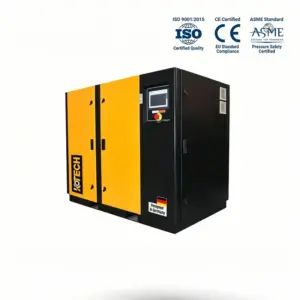
Mining environments are notoriously tough: extreme temperatures, abrasive dust, high humidity, corrosive elements, and constant vibrations. Standard industrial compressors simply aren’t built to last under these conditions. Global mining compressor implementations demand ruggedized, purpose-built units with features like heavy-duty filtration systems, corrosion-resistant coatings, robust enclosures, and specialized cooling systems.
Beyond physical durability, regulatory landscapes are evolving. Environmental, Social, and Governance (ESG) criteria are increasingly influencing equipment selection. Mines are under pressure to reduce their carbon footprint, minimize noise pollution, and ensure safe operations. This means prioritizing compressors with lower emissions, quieter operation, and higher energy efficiency ratings that contribute positively to ESG metrics. A 2024 PwC report on the mining industry emphasized the growing investor and stakeholder focus on ESG performance, making it a critical consideration for all new equipment procurement.
Future-Proofing Your Compressor Fleet
The move towards electrification and automation in mining also impacts compressor selection. As mines transition to electric vehicles and autonomous drilling rigs, the demand for clean, reliable compressed air remains. Integrating compressors into smart mine infrastructure, where they can communicate with other systems and optimize their performance based on overall mine operations, is the next frontier. This calls for systems with advanced connectivity and compatibility with emerging digital platforms.
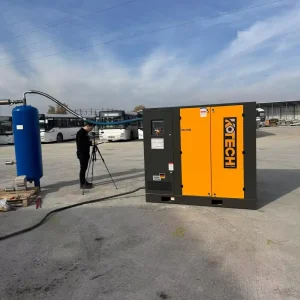
For example, modular, containerized compressor solutions are proving incredibly versatile. They offer rapid deployment, protection from harsh elements, and easy relocation as mine plans evolve. This flexibility is crucial for operations in remote or developing regions where infrastructure might be limited.
Choosing the Right Partner for Long-Term Success
Ultimately, the long-term performance of your global mining compressor implementations hinges not just on the equipment itself, but on the support structure behind it. A reliable vendor offers more than just a product; they provide comprehensive service agreements, readily available spare parts, expert technical support, and training for your teams. This partnership approach is what truly ensures operational longevity and maximizes your return on investment.
Don’t underestimate the value of local support. A global operation might have standardized equipment, but local technicians who understand the specific geological and environmental challenges of a region can make all the difference when a critical issue arises. This localized expertise, backed by a global network, is the sweet spot for sustainable performance.