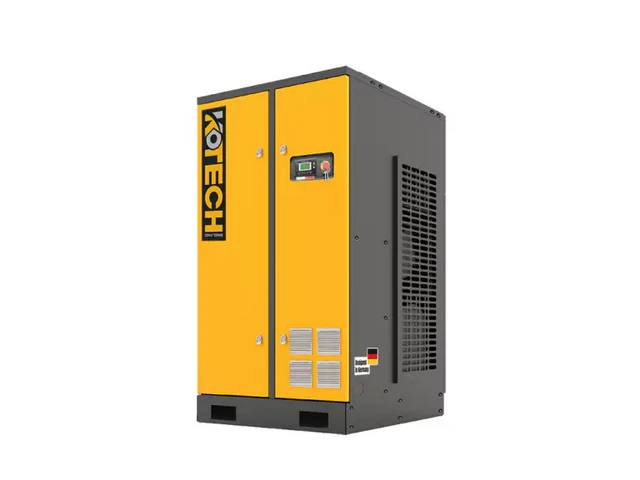
Unlocking Savings: Energy-Saving Technologies for Mining Air Compressors
- Waste heat recovery systems repurpose compressor exhaust, significantly reducing heating costs for facilities or processes.
- Advanced control systems and IoT integration enable predictive maintenance and real-time optimization, boosting overall efficiency.
- A holistic approach, combining technology upgrades with operational best practices, delivers the most impactful energy cost reductions.
Mining operations, by their nature, are energy intensive. Compressed air systems often represent a significant portion of this energy consumption, making efficiency gains critical. Implementing advanced energy-saving technologies for mining air compressors isn’t just a cost-cutting measure; it’s a strategic imperative for operational sustainability and profitability in a competitive global market.
The Imperative for Efficiency: Why Mining Can’t Afford Waste
The sheer scale of energy consumption within mining makes any inefficiency a substantial financial drain. Air compressors, essential for myriad tasks from drilling to pneumatic tool operation, are notorious energy hogs. Reducing this consumption means more than just saving money; it enhances environmental compliance, mitigates carbon footprints, and strengthens a company’s social license to operate. The financial pressures from fluctuating commodity prices also demand tighter control over every operational cost. Companies simply cannot afford to ignore readily available savings.
Proven Technologies Driving Real Savings
Variable Speed Drive (VSD) Compressors
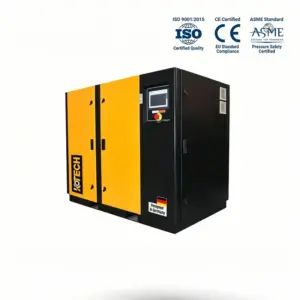
VSD technology stands out as a cornerstone of modern compressed air efficiency. Unlike fixed-speed compressors that run at full capacity regardless of demand, VSD units adjust their motor speed to match the air demand precisely. This dynamic adjustment prevents the wasteful unload/load cycling common in traditional systems.
Waste Heat Recovery Systems
Compressors generate a significant amount of heat during operation, a byproduct typically vented into the atmosphere. This is pure energy waste. In mining contexts, this recovered heat can be used for space heating in maintenance shops, warming process water, or even pre-heating boiler feedwater. Imagine heating your facilities with energy that would otherwise be discarded. This not only slashes heating costs but also reduces the overall energy demand of the site.
Advanced Control Systems & Monitoring
Moving beyond individual components, smart control systems integrate and optimize the entire compressed air network. These systems use sensors and software to monitor demand, pressure, and compressor status in real-time. They can sequence multiple compressors for optimal efficiency, identify potential issues before they cause downtime, and even predict maintenance needs. Think of it as the brain of your compressed air system. By eliminating unnecessary run times, optimizing pressure bands, and load balancing across units, these systems ensure that the right amount of air is delivered at the right pressure, without waste. The data gathered provides invaluable insights for continuous improvement, pushing efficiency levels far beyond what manual adjustments could achieve.
Addressing the Hidden Drain: Leak Detection and Maintenance
Even with the most advanced compressors, a poorly maintained system can hemorrhage efficiency. Leaks in compressed air lines are silent energy thieves, often going unnoticed until they become substantial. In mining, with its expansive, often rugged piping networks, this percentage can be even higher. Regular, systematic leak detection programs using ultrasonic detectors are essential. Once identified, repairing these leaks—from worn couplings to faulty valves—is one of the fastest and cheapest ways to achieve significant energy savings. Alongside leak detection, a robust preventative maintenance schedule ensures filters are clean, oil is changed, and components operate at peak efficiency, preventing gradual performance degradation that silently inflates energy bills.
Navigating Implementation: When and Where These Technologies Shine (And Don’t)
While these technologies offer immense benefits, their optimal application isn’t universal. A Variable Speed Drive compressor, for instance, is brilliant for fluctuating air demands. However, if your mining operation has a near-constant, high-volume air requirement—say, for a continuous process that rarely varies—a fixed-speed compressor sized correctly might actually be more efficient for that specific segment of demand. Over-specifying a VSD where it’s not truly needed adds unnecessary upfront cost without realizing its primary benefit.
Another consideration involves the harsh mining environment itself. Dust, extreme temperatures, and vibrations can impact the longevity and reliability of advanced sensors and control systems. Robust, industrial-grade components and regular calibration are non-negotiable. It’s not enough to buy the tech; you need to ensure it’s built to survive and thrive in its intended environment. A detailed site assessment by an experienced professional is critical before any major investment.
Strategic Integration: A Roadmap to Optimized Operations
Implementing energy-saving technologies effectively requires a structured approach. It starts with a comprehensive compressed air audit. This audit identifies current consumption patterns, pressure profiles, leak rates, and system inefficiencies. You can’t fix what you don’t measure. Following the audit, a clear implementation plan should prioritize technologies based on their potential ROI and operational impact. For instance, addressing major leaks often provides the quickest and most cost-effective savings.
Next comes technology selection and installation. Partnering with reputable suppliers who understand the unique demands of mining is key. Training your operational and maintenance teams on the new systems is equally important; technology is only as good as the people operating and maintaining it. Continuous monitoring and regular performance reviews ensure that the initial gains are sustained and further opportunities for optimization are identified. This iterative process of measurement, implementation, and review forms the backbone of a truly efficient compressed air strategy.
The Future Landscape: AI, IoT, and Predictive Efficiency
IoT-enabled devices will communicate seamlessly, providing a holistic view of the system’s health and performance. This shift towards predictive and autonomous optimization will minimize human error, maximize uptime, and squeeze every possible drop of efficiency from your compressed air network. For me, the potential here is enormous, especially in large, complex mining operations where manual oversight becomes increasingly challenging.