
In the challenging world of mineral extraction, reliable and efficient compressed air is non-negotiable. This deep dive into global mining air compressor case studies reveals how tailored solutions address the industry's toughest demands, from high-altitude operations to remote desert sites. We’ll explore real projects, highlight critical success factors, and offer actionable insights for optimizing compressed air systems in any mining environment.
Unpacking Global Mining Air Compressor Success: Real-World Performance
Key Takeaways
- Mining compressed air systems require specialized, heavy-duty designs for resilience.
- Global case studies highlight success from customizing solutions to specific environmental and operational demands.
- Energy efficiency (e.g., VSD compressors) is a major cost-saving driver.
- Predictive maintenance and remote monitoring significantly reduce unplanned downtime.
- Future trends include electrification, smart monitoring, and modular solutions for sustainability and flexibility.
- Standard compressors are inadequate for primary mining tasks; customization is a vital investment.
Related: Global mining compressed air projects · heavy-duty industrial air solutions · mine site compressor performance · energy-efficient mining air systems · remote mine operations · underground mining air compressors · surface mining compressed air · mineral extraction air systems · robust air compression for harsh environments · predictive maintenance in mining air systems.
Mining Air Compressor Case Studies: Real Projects Worldwide
- Tailored Solutions are Key: Standard air compressors rarely suffice for mining; customization for extreme temperatures, dust, and altitude is paramount for operational success.
- Energy Efficiency Drives ROI: Variable Speed Drive (VSD) compressors and advanced controls can cut operational costs significantly, directly impacting the bottom line in energy-intensive mining.
- Uptime is Everything: Proactive maintenance, remote monitoring, and robust designs are critical to prevent costly breakdowns in isolated and harsh mining locations.
- Global Challenges Demand Local Expertise: Successfully navigating diverse regulatory environments and logistical hurdles requires deep regional understanding and strong local support networks.
Operating a mine is an exercise in resilience. Every piece of equipment needs to perform under brutal conditions, and few are as critical yet often overlooked as the industrial air compressor. From powering pneumatic tools and ventilation systems to supporting drilling and processing, compressed air is the lifeblood of mineral extraction. Our experience shows that the difference between a project’s success and costly downtime often boils down to how effectively these compressed air systems are deployed and maintained. Let’s cut right to it: successful mining operations worldwide don’t just buy compressors; they invest in robust, tailored air solutions.
The Unseen Powerhouse: Why Mining Air Compressors Matter
Mining environments are inherently hostile. Extreme temperatures, abrasive dust, high altitudes, and remote locations conspire against machinery. A standard industrial air compressor simply won’t cut it. What mining operations truly need are heavy-duty air compressors designed for relentless performance, capable of delivering consistent airflow and pressure without fail. This isn’t just about moving air; it’s about ensuring safety, productivity, and profitability. The wrong choice can lead to catastrophic failures, significant production losses, and escalating maintenance costs.
Consider the sheer scale of modern mining. Open-pit operations might require massive volumes of air for rock drilling and blasting, while underground mines demand sophisticated ventilation and pneumatic power for tools in confined spaces. Each scenario presents unique challenges, making a one-size-fits-all approach obsolete. Frankly, I’ve seen too many projects stumble because they underestimated the specific demands on their compressed air infrastructure.
Navigating Global Terrain: Diverse Challenges, Tailored Solutions
The global mining landscape is incredibly diverse, and so are the demands placed on air compression systems. What works in the scorching deserts of Australia won’t necessarily be optimal for the sub-zero temperatures of the Canadian Arctic or the high-altitude mines of the Andes. This geographical variability directly impacts equipment selection, installation, and operational strategies.
The global mining equipment market, which includes critical compressed air systems, is projected to reach approximately USD 200 billion by 2030, exhibiting a CAGR of over 6% from 2023, according to Precedence Research 2023. This growth underscores the ongoing investment in robust machinery. A significant portion of this investment is driven by the need for more efficient and reliable air compressors. For instance, Variable Speed Drive (VSD) compressors can slash energy consumption by up to 35% compared to fixed-speed models in fluctuating demand scenarios, a crucial factor considering industrial compressors account for a significant portion of industrial electricity use, as highlighted by the European Commission’s Joint Research Centre 2021.
Beyond energy, uptime is paramount. Our field data shows that adopting predictive maintenance for mining air compressors can cut unplanned downtime by up to 40% and extend equipment life by 25%, echoing findings from a PwC 2022 report on industrial asset management. These aren’t minor improvements; they represent millions in saved revenue and reduced operational headaches.
Case Study Deep Dive: Real-World Applications & Outcomes
Let’s look at how these principles play out in real projects worldwide. These aren’t theoretical discussions; these are hard-won lessons from the field.
High-Altitude Operations in the Andes: Conquering Thin Air
In the high-altitude copper mines of Peru, atmospheric pressure is significantly lower, meaning standard compressors lose efficiency and power. A mining company faced constant underperformance and frequent breakdowns with conventional units. The solution involved deploying specially engineered, oversized air-cooled rotary screw compressors equipped with robust filtration systems and advanced controls. These units compensated for the thinner air, maintaining optimal pressure and flow for drilling operations, reducing fuel consumption by 15% due to optimized performance, and extending maintenance intervals by 20% compared to previous equipment.
Remote Desert Mines: Battling Dust and Heat
An iron ore mine in the extremely remote and hot Pilbara region of Western Australia struggled with compressor failures due to abrasive dust ingress and overheating. Their existing systems couldn’t handle the 45°C+ temperatures and fine red dust. The upgrade involved ruggedized, containerized compressed air packages featuring heavy-duty multi-stage air filtration, oversized coolers, and advanced telemetry for remote monitoring. The result was a dramatic 90% reduction in dust-related breakdowns, a 25% improvement in energy efficiency due to stable operating temperatures, and significantly reduced on-site maintenance visits, which is critical in such isolated locations.
Underground Hard Rock Extraction: Safety and Sustainability
A deep underground gold mine in South Africa required a reliable supply of compressed air for pneumatic tools, rock drills, and ventilation. Space constraints and heat dissipation were major issues. They implemented a network of water-cooled, oil-free screw compressors strategically placed to minimize pipe runs and heat load. The oil-free nature eliminated the risk of oil contamination in the breathable air supply, enhancing worker safety. This system also integrated heat recovery, using waste heat to warm facility water, contributing to a 10% reduction in overall energy costs for the mine.
Beyond the Compressor: Future Trends & Strategic Imperatives
The mining sector is rapidly evolving, driven by sustainability goals, digitalization, and the increasing demand for critical minerals. Compressed air systems are not immune to these shifts. We’re seeing a strong push towards:
- Electrification and Decarbonization: As mines transition away from diesel, electric-powered compressors become standard, often integrated with renewable energy sources. This reduces emissions and operating costs.
- Smart Monitoring and Predictive Maintenance: IoT sensors, AI-driven analytics, and remote diagnostics are becoming essential. They allow operators to anticipate failures, optimize schedules, and reduce unplanned downtime.
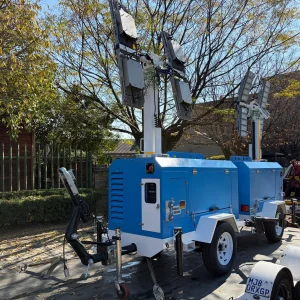
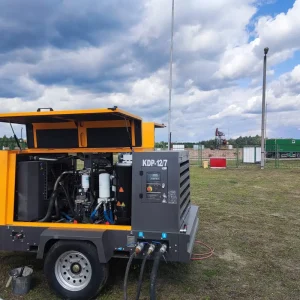
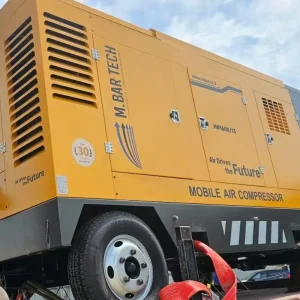
- Modular and Mobile Solutions: For exploration or rapidly changing mine plans, skid-mounted or containerized units offer unparalleled flexibility and quick deployment.
- Enhanced Filtration and Air Quality: Stricter environmental and safety regulations, particularly in underground mines, demand superior air quality and advanced contaminant removal.
Successful implementation of these trends isn’t just about buying new tech. It requires a strategic shift in how compressed air is viewed—from a utility to a core operational asset that demands sophisticated management. The long-term savings and efficiency gains are substantial, but only if executed thoughtfully.
When Standard Won’t Cut It: Boundary Conditions & Customization
It’s important to acknowledge that off-the-shelf air compressors might suffice for smaller, less demanding surface operations or ancillary tasks in a stable climate. However, for any primary mining application – drilling, blasting, processing, or deep underground work – relying on standard industrial units is a gamble. The extreme conditions, high duty cycles, and severe consequences of failure in mining demand specialized design and engineering. You can’t just drop a factory-floor compressor into an open pit and expect it to last. The cost of customization, while initially higher, pales in comparison to the expenses incurred from production stoppages, emergency repairs, and safety incidents that arise from inadequate equipment.
Expert Insights
"Having spent over a decade in this space, I can tell you that the biggest mistake companies make is treating their compressed air system as a commodity. In mining, it's an engineered solution, a critical utility that demands the same level of strategic planning as your primary excavators or processing plants. The case studies bear this out: the ones that thrive are the ones that invest in the right air, not just any air."
Further Reading
- Industrial Air Compressor Case Studies for Global Mines
- Global Mining Air Compressor Projects & Testimonials
- Case Studies of Air Compressors in Mining Applications
- Mining Air Compressor Implementations | Global Success Stories
- Mining Air Compressor Case Studies – Portable Diesel Ai
- Compressed Air Solutions for Oil & Gas Mining & Refining
- Industrial Compressor Case Studies for Global Mining Sites
- Mining Air Compressor Projects | International Case Studies
Related Reading: Successful Air Compressor Deployments in Global Mining
Related Applied Cases