
Optimizing Compressed Air Systems in Mining
In the high-stakes world of mineral extraction, reliable compressed air isn’t a luxury; it’s the lifeblood of operations. The truth is, if your air compressor system isn’t optimized, you’re bleeding money and compromising safety. We need to talk about what’s next and what’s working right now.
Here are the key insights that every mining operator needs to grasp:
- Electrification and Hybrid Systems are Gaining Traction: Reducing reliance on diesel not only cuts fuel costs but also significantly lowers emissions, crucial for environmental compliance and ESG reporting.
- Smart Controls and IoT Integration are Non-Negotiable: Real-time data and predictive analytics are transforming maintenance schedules, preventing costly downtime, and optimizing energy consumption.
- Energy Efficiency Remains Paramount: With energy costs fluctuating wildly, investing in variable speed drive (VSD) compressors and heat recovery systems offers substantial long-term savings.
- Robustness and Maintainability in Harsh Environments: Equipment must be designed for extreme dust, temperature, and vibration, with easy access for routine servicing to minimize operational interruptions.
- Sustainability Drives Innovation: From quieter operations to lower carbon footprints, environmental considerations are shaping compressor design and deployment.
Core Challenges & Modern Solutions in Mining Air Compression
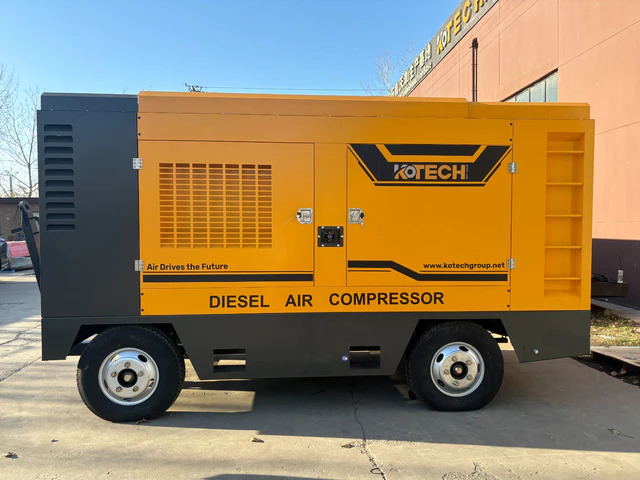
Mining operations present a brutal test for any machinery, especially air compressors. Dust, extreme temperatures, remote locations, and the sheer demand for continuous operation create a perfect storm of challenges. Traditional fixed-speed, diesel-powered units, while robust, often fall short on efficiency and environmental performance. Operators are constantly battling high fuel consumption, frequent maintenance, and the ever-present risk of unscheduled downtime. This isn’t just about output; it’s about the bottom line and staying competitive.
The industry’s pivot towards more sustainable and efficient solutions is a direct response to these pain points. Modern compressors are designed to tackle these head-on.
The Data Driving Change in Compressed Air Systems
The shift isn’t just anecdotal; it’s backed by hard numbers. Compressed air systems are a significant part of this investment. Energy consumption, particularly for compressed air, represents a substantial portion of a mine’s operational expenditure. Any improvement in efficiency here translates directly into massive savings.
Furthermore, the drive for automation and electrification in mining is accelerating.
Why Innovation Matters: Deep Dive into Trends
The trends shaping mining air compressor technology are not merely incremental upgrades; they represent fundamental shifts in how we approach compressed air. These innovations address core operational inefficiencies and environmental pressures.
Electrification and Hybrid Power
The push for electrification is undeniable. Mines are increasingly moving away from diesel-only power, especially for stationary and semi-mobile units. Electric compressors offer lower operating costs, reduced emissions, and quieter operation, which is a big win for both site personnel and local communities. Hybrid systems, combining electric motors with smaller, efficient diesel engines for peak demand or backup, provide flexibility without sacrificing power. This flexibility is crucial in remote areas where grid power might be unreliable or non-existent.
Advanced Controls and IoT Integration
This is where the “smart” in smart mining truly comes alive. Modern compressors come equipped with sophisticated control systems that monitor dozens of parameters in real-time: pressure, temperature, flow, power consumption, and vibration. These systems, often integrated with the mine’s broader IoT network, can predict potential failures before they occur. For instance, an unexpected rise in motor temperature or vibration signature might trigger an alert, allowing for pre-emptive maintenance during a scheduled downtime rather than a catastrophic failure mid-shift.
Variable Speed Drive (VSD) Technology
VSD compressors precisely match air output to demand, drastically reducing energy waste compared to fixed-speed units that run at full capacity regardless of need.
Robustness, Modularity, and Maintainability
Designing for the mine means designing for survival. Compressors must withstand corrosive dust, extreme temperatures from -40°C to +50°C, and constant vibration. Modularity allows for easier transport, installation, and replacement of components in often cramped or remote locations. Furthermore, maintainability is about more than just durability; it’s about accessibility. Quick-change filters, easy access panels, and simplified diagnostic interfaces reduce mean time to repair (MTTR), keeping the equipment running longer.
Sustainability and Environmental Performance
Beyond electrification, sustainability encompasses noise reduction, oil-free options for sensitive environments, and heat recovery systems. Recovering waste heat from compressors can pre-heat water for wash plants or provide space heating in cold climates, effectively turning a waste product into a valuable resource. These aren’t just feel-good initiatives; they often come with tangible economic benefits and improve a company’s environmental, social, and governance (ESG) standing.
For certain niche applications or smaller, artisanal mining operations with limited capital expenditure budgets, a robust, mechanically simple fixed-speed diesel compressor might still be the most practical and cost-effective choice. If the compressed air demand is constant and predictable, or if the infrastructure for electric power is simply non-existent and economically unfeasible to install, then the added complexity and initial investment of VSD or electric units might not pay off. This holds particularly true for very short-term projects or exploratory drilling where equipment is frequently moved and set up. However, for any long-term, large-scale operation, the economic and environmental benefits of modern systems usually far outweigh the initial costs.
Implementing Best Practices: A Practical Roadmap
Transitioning to a more efficient and reliable compressed air system involves more than just buying new equipment. It requires a holistic approach to planning, implementation, and ongoing management.
1. Conduct a Comprehensive Air Audit
Before any significant investment, understand your current system’s performance. An air audit will identify leaks, inefficient usage patterns, and oversized components. It’s surprising how much air—and money—can be lost through poorly maintained pipework or inappropriate nozzle selection. This diagnostic step is critical.
2. Right-Size Your Compressors
Don’t just replace like-for-like. Analyze your actual air demand profiles throughout a typical operational cycle. Oversized compressors cycle more frequently, leading to increased wear and tear and wasted energy. Under-sizing leads to pressure drops and compromised tool performance. VSD technology excels here by adapting to fluctuating demand.
3. Prioritize Predictive Maintenance
Leverage IoT and sensor data. Move away from reactive or time-based maintenance. Implement a robust predictive maintenance program that utilizes real-time monitoring to anticipate failures. This minimizes unscheduled downtime, extends equipment lifespan, and optimizes maintenance scheduling.
4. Optimize Air Distribution
Even the most efficient compressor can be undermined by a poorly designed distribution network. Use appropriately sized piping, minimize bends, and ensure regular leak detection and repair. Pressure drops due to friction or leaks directly impact tool performance and energy consumption. Use pressure gauges at key points to monitor system health.
5. Invest in Quality Ancillaries
Dryers, filters, and receivers are not optional extras; they are integral to system performance and longevity. Investing in high-quality air treatment equipment prevents contamination of tools and processes, reducing maintenance on downstream equipment and improving end-product quality. A well-sized air receiver can also help manage peak demands and reduce compressor cycling.
6. Training and Awareness
Even the most advanced technology is only as good as the people operating and maintaining it. Regular training for operators and technicians on new systems, energy-saving practices, and safety protocols is essential. Foster a culture of awareness about compressed air costs and efficiency.
Looking Ahead: The Future of Mining Air Compression
The trajectory for mining air compressor technology points towards further integration, intelligence, and environmental consciousness. Expect to see more fully autonomous compressor stations, potentially even mobile units powered by advanced battery technology, operating with minimal human intervention. Data analytics will become even more sophisticated, moving beyond predictive to prescriptive maintenance, telling operators exactly what needs to be done and when. The ultimate goal remains the same: deliver reliable, cost-effective, and sustainable compressed air, no matter how challenging the environment.





