Selecting Optimal Air Compressors for Mining
Key Insights:
- Durability trumps initial cost: Harsh mining environments demand robust, purpose-built systems to minimize costly downtime.
- Safety and compliance drive selection: Explosion-proof options, air quality, and regulatory adherence are non-negotiable, especially underground.
- Electrification is gaining traction: Moving away from diesel reduces emissions, noise, and fuel costs, aligning with sustainability goals.
- Remote monitoring enhances uptime: Predictive maintenance capabilities prevent failures and optimize operational efficiency.
The Critical Role of Air Compressors in Modern Mining Operations
Let’s be direct: Without reliable compressed air, a modern mine grinds to a halt. It’s not just about powering tools anymore; it’s about ventilation, dust suppression, dewatering, and ensuring critical safety systems function. This isn’t a peripheral utility; it’s the heartbeat of operations, both above and below ground. Choosing the right industrial air compressor isn’t a minor procurement decision; it dictates productivity, safety, and ultimately, profitability.
Navigating the Harsh Realities: Key Challenges & Data-Backed Insights
Mining environments are brutal. Dust, extreme temperatures, high humidity, corrosive elements, and constant vibration are standard operating conditions. These factors directly impact equipment longevity and performance.
Energy Efficiency: A Bottom-Line Imperative
Energy costs are a massive concern. Compressed air systems are notoriously power-hungry. In mining, this figure often climbs higher due to the sheer scale and demands.
Durability & Uptime: Battling Extreme Environments
Downtime in mining is catastrophic. When a compressor fails, the ripple effect on production is immediate and severe. This means robust construction, heavy-duty filtration, and proven reliability in harsh conditions are paramount. It’s not about the cheapest unit; it’s about the unit that keeps running, day in and day out, in conditions that would destroy lesser machines.
Safety & Regulatory Compliance: Non-Negotiable Factors
Safety isn’t a suggestion; it’s the law and a moral obligation. Underground mines, in particular, demand specific safety features. Explosion-proof components, intrinsically safe controls, and robust air quality management systems are critical. Compliance with MSHA (Mine Safety and Health Administration) or similar regional regulations isn’t optional. For instance, maintaining proper air quality for breathing apparatus or ensuring no contaminants enter the mine atmosphere is a constant battle. This requires specialized filtration and monitoring systems that go beyond standard industrial requirements.
Tailored Solutions for Underground and Surface Mines
The demands of underground and surface mining diverge significantly, requiring distinct compressor strategies.
Underground Mining: Focus on Portability, Air Quality & Safety
Underground operations often require smaller, more portable units. Space is at a premium, and moving heavy equipment is a logistical nightmare. Electric compressors are increasingly preferred here, eliminating diesel fumes and reducing ventilation loads. Noise reduction is also critical for worker safety and communication. Furthermore, the air quality generated by compressors must be impeccably clean to prevent contamination of the mine atmosphere or breathing air. We’re talking specialized filtration, often multi-stage, to remove oil aerosols, particulates, and moisture.
Surface Mining: Emphasizing Power, Scale & Robustness
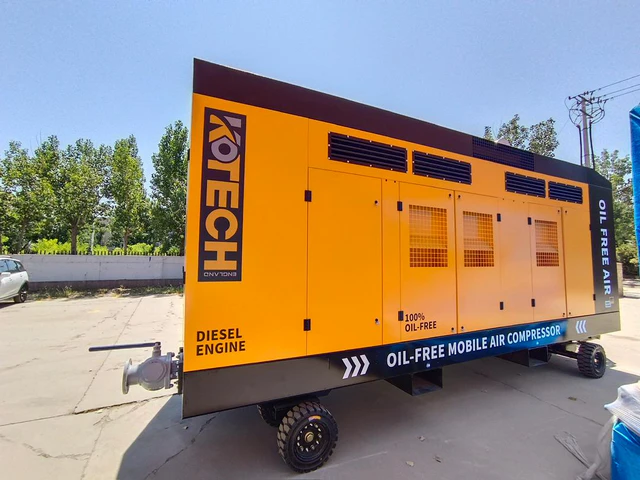
Surface mines, conversely, typically need larger, more powerful stationary or semi-portable units. These compressors power massive drills, heavy-duty pneumatic tools, and extensive dewatering systems. While portability isn’t as critical as underground, robust weatherproofing and dust protection are essential. Diesel-powered units are still common due to the need for mobility across vast sites, but the trend towards electric or hybrid solutions is accelerating due to environmental pressures and fuel cost volatility.
Emerging Trends & Future-Proofing Your Investment
The mining industry, while often seen as traditional, is rapidly embracing technological advancements.
Electrification & Sustainability: Beyond Diesel
The push for sustainability is real and impactful. The International Energy Agency (IEA 2023) reports a significant global push towards electrification in heavy industry, including mining, to reduce emissions. Electric mining air compressors offer zero tailpipe emissions, lower noise levels, reduced maintenance (no engine oil changes, fuel filters), and often lower operating costs due to stable electricity prices versus volatile diesel. This trend isn’t just about PR; it’s about tangible operational savings and meeting increasing environmental regulations.
Remote monitoring systems now provide real-time data on pressure, temperature, power consumption, and fault codes. This allows for predictive maintenance, where potential issues are identified before they cause catastrophic failure.
When Not to Invest in the Latest Tech: A Pragmatic View
While new technologies are exciting, they aren’t always the right fit. For small, intermittent operations or mines with limited capital expenditure budgets and a short operational lifespan, investing in the absolute latest, most expensive electric VSD compressor with full IoT integration might not yield the best ROI. Sometimes, a well-maintained, robust, fixed-speed diesel unit that meets all safety and environmental regulations for its specific application is the more pragmatic choice. It’s about matching the solution to the specific operational context and budget, not just chasing the newest shiny object.
Practical Steps for Selecting Your Next Mining Air Compressor
Making an informed decision requires a systematic approach. Don’t rush this.
Assess Your Specific Needs & Environment
Start with a detailed audit of your compressed air demand. What tools, systems, and processes require air? What are the peak and base load requirements? What are the environmental conditions (temperature, altitude, dust, humidity)? Is it underground or surface? These answers will dictate the necessary flow (CFM/m³/min), pressure (PSI/bar), and specific features like filtration or explosion-proofing.
Total Cost of Ownership (TCO) Over Initial Price
Focusing solely on the purchase price is a rookie mistake. TCO includes initial capital, installation, energy consumption, maintenance, parts, and potential downtime costs. A higher upfront cost for an energy-efficient, robust unit often translates to significant savings over its operational lifespan.
Partner with Experienced Providers
Work with suppliers who understand mining. They should offer not just equipment but also local service, parts availability, and technical support. A reputable provider will assist with sizing, installation, and ongoing maintenance, ensuring your mining air compressor solutions are optimized for performance and longevity. This isn’t just about buying a machine; it’s about securing a reliable partner.