

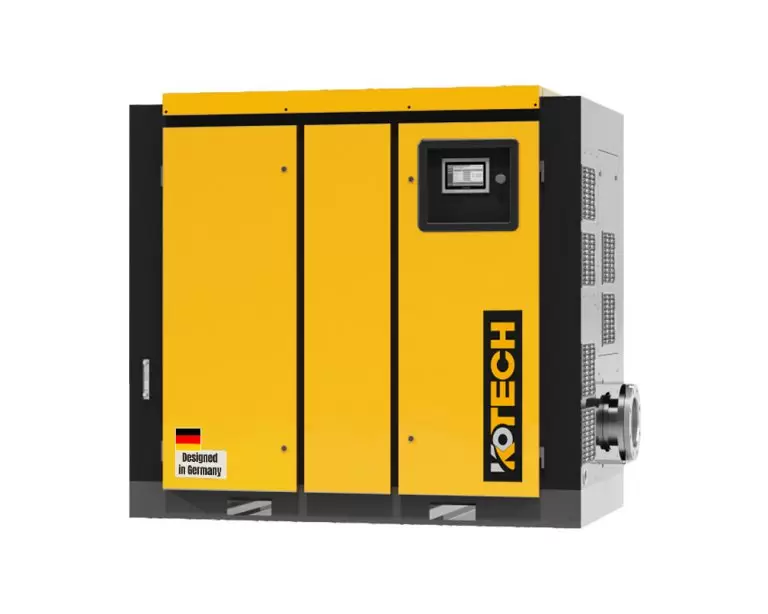
This data-driven guide compares 2-stage vs single-stage diesel air compressors, highlighting efficiency gains, fuel savings, high-altitude performance, and total cost of ownership for mining, drilling, and construction applications.
2-Stage Diesel Air Compressors: Efficiency, Durability & TCO
Related: two-stage diesel air compressor efficiency · dual-stage air compressor for mining · high-pressure two-stage diesel compressor · industrial air compressor fuel savings · two-stage vs single-stage compressor · heavy-duty diesel air compressor
Further Reading
- The Logic Behind Cheap High Pressure Diesel Air Compressor A Structural Analysis for Industrial Construction
- Mining Air Compressor Solutions for Underground & Surface Mines
- Diesel Air Compressors for Industrial Excellence: Kotech’s Custom Solutions for Mining, Construction & Drilling
- How diesel air compressor for jack hammer supplier Is Reshaping Construction Efficiency
- fuel-efficient air compressor – Unlocking Peak Per
- The Logic Behind 185 CFM Diesel Air Compressor for Construction Site A Structural Analysis
- How 2 Stage Diesel Air Compressor Export to Africa Is Reshaping Industrial Efficiency
Related Reading: Industrial Compressed Air Solutions for Mining Operations
Related Applied Cases
Frequently Asked Questions
- What are the main benefits of a 2-stage diesel air compressor over a single-stage unit?
- 2-stage compressors improve efficiency by 18-25%, reduce fuel consumption, lower operating temperatures (extending component life), maintain better pressure stability at high PSI, and perform more reliably at high altitudes, leading to lower total cost of ownership.
- How much fuel can I save with a 2-stage diesel compressor compared to a single-stage model?
- Field tests show 2-stage units consume 18-25% less fuel per CFM-hour at 125-175 PSIG. For an 185 CFM machine running 8 hours daily, this translates to 1.2-1.8 gallons saved per shift, with annual savings often exceeding the upfront price difference.
- Do 2-stage diesel compressors require more maintenance than single-stage models?
- No, contrary to common belief. Lower operating temperatures in 2-stage units extend oil and filter service intervals (500 hours vs. 300-400 hours for single-stage), reducing maintenance labor and parts costs. The intercooler only requires periodic cleaning.
- Why are 2-stage compressors better for high-altitude mining sites?
- At elevations above 1,500 meters, thinner air reduces single-stage compressor output by 5-10%. 2-stage units mitigate this loss through densified air after the first stage and intercooling, maintaining 90-95% of rated CFM output for reliable tool performance.
- For which applications is a 2-stage diesel compressor the best choice?
- They excel in continuous-duty, high-pressure industrial applications like mining, oilfield operations, water well drilling, construction sandblasting, and remote infrastructure projects where efficiency, durability, and consistent airflow are critical.
- How does the total cost of ownership compare between 2-stage and single-stage compressors?
- Over 5-10 years, 2-stage compressors deliver lower TCO. While upfront costs may be higher, fuel savings, reduced maintenance, longer service life, and less downtime result in 15-22% lower overall operating costs compared to single-stage units in heavy-duty use.