

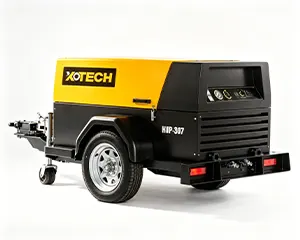
This comprehensive guide covers 185 CFM diesel air compressors for construction, including technical design, step-by-step deployment, performance comparisons, and risk mitigation. It helps construction teams select, operate, and maintain these units to maximize productivity and safety on-site.
185 CFM Diesel Air Compressor: Construction Power & Efficiency Guide
Related: 185 CFM portable diesel air compressor · construction site pneumatic power · diesel-powered air compressor for tools · 185 CFM rotary screw air compressor · mobile diesel air compressor for jackhammers · high-volume portable air compressor
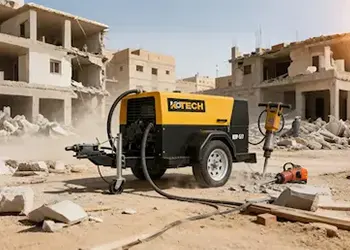
Further Reading
- How Small Diesel Air Compressors for Workshops Are Redefining Automotive and Fabrication Efficiency
- Streamlining Global Projects Eliminating Operational Bottlenecks Through Diesel Air Compressor for Jack Hammer Export Architectures
- How Mobile Diesel Air Compressor for Sandblasting Site Enhances Remote Project Efficiency
- Overcoming On-Site Power Challenges The Strategic Value of a Used 300 CFM Diesel Air Compressor for Sale
- 185 CFM air compressor – The Logic Behind 1
- The Logic Behind 185 cfm diesel air compressor with CE certification A Structural Analysis for Robust Site Operations
- The Logic Behind Diesel Air Compressors A Structural Analysis for Heavy Industrial Operations
- The Logic Behind Portable Diesel Air Compressors for Construction A Structural Analysis of On-Site Power
Related Reading: Industrial Compressed Air Solutions for Mining Operations
Related Applied Cases
Frequently Asked Questions
- What tools can a 185 CFM diesel air compressor power on a construction site?
- It can run most common heavy-duty pneumatic tools, including jackhammers, rock drills, sandblasters, concrete finishers, and fastening tools. It’s ideal for simultaneous use of two standard tools, eliminating the need for constant tool swapping.
- Why is 185 CFM considered the “sweet spot” for construction compared to smaller or larger units?
- It balances power, mobility, and cost-effectiveness. Unlike smaller units that struggle with continuous use, it delivers enough airflow for most tools. Unlike larger 300+ CFM models, it’s more fuel-efficient, easier to transport, and avoids unnecessary operational overhead.
- What’s the proper way to set up a 185 CFM diesel compressor on a construction site?
- Choose a level, well-ventilated spot away from traffic and dust. Minimize hose runs to reduce pressure drops, secure all connections, check fluid levels before starting, and allow a warm-up period before connecting tools.
- How do I maintain my 185 CFM diesel compressor to avoid downtime?
- Follow a strict schedule: daily pre-operation checks (fuel, oil, filters), timely oil and filter changes, regular hose inspections, and keeping detailed service logs. Proactive maintenance prevents breakdowns and extends the unit’s lifespan.
- Can I use a 185 CFM diesel compressor indoors or in enclosed spaces?
- No. Diesel compressors produce toxic exhaust fumes, so they must only be operated in well-ventilated outdoor areas. Indoor use poses severe health risks from carbon monoxide buildup.
- What common mistakes should I avoid when using a 185 CFM compressor?
- Avoid undersized hoses (which cause pressure drops), mismatched tool requirements, neglecting maintenance, poor site placement, and not using proper PPE (like hearing protection) around the unit.