Unlocking Uninterrupted Performance: Air Compression for O&G's Toughest Demands
In oil and gas, 24/7 industrial air compressor reliability isn’t a luxury; it’s the bedrock of operational continuity and safety. Downtime costs millions, making robust, efficient, and purpose-built air systems absolutely essential for maintaining production and safeguarding personnel in demanding environments.
Here are the key insights:
- Reliability is paramount for continuous O&G operations.
- Energy efficiency drives significant operational cost savings.
- Advanced monitoring and predictive maintenance are non-negotiable.
- Compliance with environmental and safety regulations is critical.
- Tailored solutions, not off-the-shelf, ensure optimal performance.
The Unyielding Demand for Uptime in Oil & Gas
Compressed air is often called the “fourth utility” in industrial settings, and nowhere is its consistent supply more critical than in oil and gas. From powering pneumatic tools and actuating valves to providing instrument air for control systems, process air for nitrogen generation, and utility air for general plant operations, compressors are the unsung heroes keeping the gears turning. A single compressor failure can halt an entire drilling rig, pipeline segment, or refinery unit, leading to catastrophic production losses and potential safety hazards. The stakes are simply too high for anything less than absolute reliability.
The continuous nature of O&G operations means compressors run non-stop, often for months without shutdown. This relentless demand exposes any weakness in design, material, or maintenance strategy. Every component must be engineered for endurance, from the air end to the motor and controls. We’re talking about systems that can’t afford to blink, let alone fail.
Navigating Operational Realities: Key Challenges & Data Insights
Operating air compressors in the oil and gas sector presents unique and formidable challenges. These aren’t your typical factory floor installations. We’re talking about everything from the scorching heat of desert fields to the freezing conditions of the Arctic, often coupled with corrosive atmospheres, high dust loads, and remote locations that make maintenance a logistical nightmare.
One of the most pressing concerns is energy consumption. Compressed air systems are notorious energy hogs. In an industry where energy costs are a significant portion of operational expenditure, optimizing compressor efficiency isn’t just a nicety; it’s a financial imperative.
Moreover, the cost of downtime is staggering. This underscores why upfront investment in reliable, robust air compressor solutions pays dividends many times over.
This growth signals a continued emphasis on advanced, efficient, and reliable solutions as the industry pushes for greater operational resilience and sustainability.
Engineered for Endurance: The Right Compressor Technology
Selecting the correct air compressor technology is fundamental for 24/7 O&G operations. It’s not a one-size-fits-all decision; it depends heavily on the specific application, required pressure, flow rates, and environmental conditions.
Rotary Screw Compressors: The Workhorse
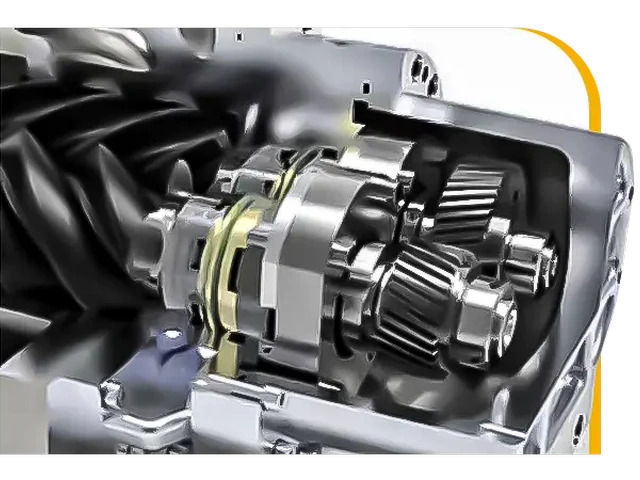
For continuous duty and medium to high flow rates, rotary screw compressors are often the preferred choice. Their robust design, fewer moving parts compared to reciprocating models, and ability to run for extended periods make them ideal for base load applications. Modern rotary screw units, especially those with Variable Speed Drive (VSD) technology, offer excellent energy efficiency by matching output to demand, significantly reducing power consumption during fluctuating load conditions.
Reciprocating Compressors: High Pressure, Intermittent Needs
When high pressure is required, or for intermittent but critical tasks, reciprocating (piston) compressors excel. These units are often used for specialized applications like instrument air for specific tools or booster applications. While generally not ideal for continuous, high-volume base load due to higher maintenance demands, their ability to achieve very high pressures efficiently makes them indispensable in certain niches.
Centrifugal Compressors: High Volume, Oil-Free Criticality
For very high volume, oil-free air requirements—critical in many downstream refinery processes and petrochemical plants—centrifugal compressors are the go-to. Their dynamic compression principle ensures a completely oil-free air stream, preventing contamination of sensitive processes. They are highly efficient at full load and designed for continuous, heavy-duty operation, although less efficient at partial loads without specific controls.
Oil-Free vs. Oil-Lubricated: Process Integrity & Compliance
The choice between oil-free and oil-lubricated compressors is paramount. Oil-free compressors are essential for applications where any oil contamination in the air stream is unacceptable, such as process air, instrument air for sensitive controls, or breathing air. Oil-lubricated units, while generally more cost-effective upfront, require robust filtration and air treatment to prevent downstream contamination and meet environmental regulations. The environment dictates the technology and its protective measures.
Beyond the Hardware: Smart Solutions for 24/7 Operation
A reliable air compressor solution extends far beyond the physical machine. It encompasses intelligent systems and strategic planning to ensure uninterrupted operation and optimized performance.
Predictive Maintenance & IoT Integration
This is where modern technology truly shines. Implementing IoT sensors and advanced analytics allows for real-time monitoring of compressor performance parameters: temperature, pressure, vibration, current draw, and oil levels. This data feeds into predictive maintenance algorithms, which can anticipate potential failures before they occur. Instead of reactive repairs, maintenance becomes proactive, scheduled during planned shutdowns, drastically reducing unplanned downtime and associated costs. This approach not only extends equipment life but also optimizes maintenance schedules and resource allocation.
Redundancy & Backup Systems
For truly critical applications, redundancy is non-negotiable. N+1 configurations, where an additional compressor is on standby, ensure that if one unit goes offline, another can immediately take over. This might involve a completely separate backup unit or a system designed to share the load across multiple compressors, allowing for maintenance on individual units without interrupting the overall air supply. This layered approach to reliability provides peace of mind.
Air Treatment & Quality
The compressed air itself needs treatment. Dryers (refrigerated, desiccant, or membrane) are essential to remove moisture, preventing corrosion in downstream equipment and ensuring process integrity. Filters remove particulates, oil aerosols, and vapors. Achieving the right ISO 8573-1 air quality class is crucial for different applications, from general utility air to ultra-clean instrument air.
Energy recovery systems, which capture waste heat generated during compression, can also be integrated. This recovered heat can pre-heat boiler feedwater, warm buildings, or support other industrial processes, adding another layer of efficiency and cost savings.
Regulatory Compliance & API Standards
The oil and gas industry is heavily regulated. Air compressor solutions must comply with various international and local standards, including safety regulations (e.g., ATEX for explosive atmospheres) and environmental mandates. For critical applications, adherence to API (American Petroleum Institute) standards, such as API 619 for rotary-type positive displacement compressors or API 672 for packaged, integrally geared centrifugal air compressors, ensures equipment meets the most stringent design and performance criteria for harsh O&G environments. Ignoring these can lead to severe penalties and operational shutdowns.
When Standard Won’t Cut It: Customization & Boundary Conditions
While many excellent off-the-shelf industrial compressors exist, they often fall short in the extreme and highly specific conditions of oil and gas operations. This is where customized solutions become not just beneficial, but absolutely necessary. For instance, a standard industrial compressor won’t likely survive or perform optimally on an offshore platform exposed to constant salt spray and vibrations, or in an ultra-remote desert location with extreme temperature swings and high dust ingress. In these scenarios, bespoke engineering is the answer.
Customization might involve:
- Specialized Enclosures: Weatherproof, sound-attenuated, or explosion-proof (ATEX-certified) enclosures to protect against environmental hazards and ensure safety.
- Skid-Mounted Units: Pre-assembled compressor packages on a robust skid, designed for easy transport, rapid deployment, and minimal on-site installation in remote or temporary locations.
- Material Selection: Using corrosion-resistant materials for piping, coolers, and structural components in marine or corrosive gas environments.
- Advanced Control Systems: SCADA integration, custom programming for specific process interlocks, or remote monitoring capabilities tailored to a client’s existing infrastructure.
- Redundant Cooling Systems: Essential in high-ambient temperature regions where standard air-cooled systems might struggle.
Only when these specific boundary conditions are thoroughly assessed and addressed through tailored design can an air compressor system truly deliver 24/7 reliability in the O&G sector. Trying to force a square peg into a round hole here is a recipe for expensive, recurring failures.
Optimizing Your Air Compressor Investment: A Strategic Approach
Making the right investment in air compressor solutions for 24/7 oil and gas use requires a holistic strategy that looks beyond the initial purchase price.
Total Cost of Ownership (TCO)
Focus on the Total Cost of Ownership, not just the capital expenditure (CAPEX). TCO includes purchase price, installation, energy consumption, maintenance, parts, and potential downtime costs. An energy-efficient compressor with a higher initial cost can quickly pay for itself through reduced operating expenses over its lifespan. Conduct thorough energy audits to identify inefficiencies in existing systems and project potential savings from new installations.
Service Agreements & Expertise
Partnering with a reputable service provider is crucial. Comprehensive service agreements that include regular preventative maintenance, genuine spare parts, and emergency support can dramatically extend the life of your equipment and minimize unexpected failures. Access to factory-trained technicians with specific experience in O&G applications is invaluable.
Sustainability & Future-Proofing
Consider the long-term sustainability of your chosen solution. This includes energy efficiency, lower emissions (if applicable), and compliance with evolving environmental regulations. Investing in modular or scalable systems can also future-proof your operations, allowing for easy expansion or adaptation as production demands change. The industry is moving towards greener operations, and your air systems should reflect that trend.