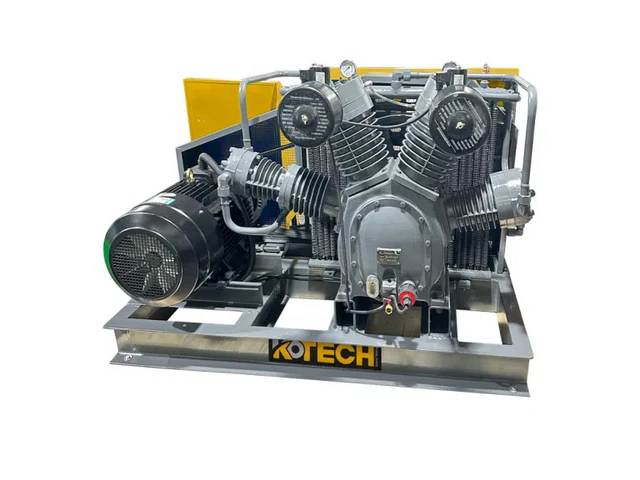
Maximizing Uptime with Bespoke Air Compressor Systems in Oil & Gas & Mining
- Off-the-shelf air compressors often fail in the demanding, remote conditions of oil & gas and mining.
- Custom-engineered solutions dramatically reduce operational downtime and enhance safety compliance in hazardous environments.
- Tailored designs optimize efficiency, reduce CAPEX/OPEX, and ensure seamless integration with existing site infrastructure.
- Partnering with experienced providers for comprehensive lifecycle support is critical for long-term project success.
Custom Air Compressor Solutions for Oil & Gas Mining Projects
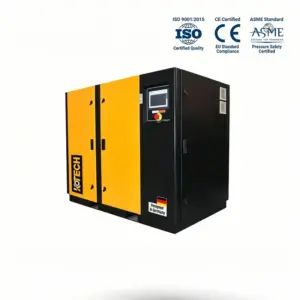
For oil & gas and mining operations, relying on standard, off-the-shelf air compressors is a gamble that often leads to costly downtime and safety compromises. True operational resilience and efficiency in these extreme environments demand custom air compressor solutions engineered specifically for the unique challenges of each project. This isn’t just about specifying a larger motor; it’s about deeply understanding the application, the site, and the long-term operational goals.
The Unseen Costs of Off-the-Shelf Solutions
Standard industrial air compressors, while robust for factory settings, rarely possess the necessary resilience or specific features required for the harsh realities of oilfields or mining sites. These environments present a relentless assault of extreme temperatures, corrosive elements, dust, vibration, and often, explosive atmospheres. A generic unit might function initially, but its lifespan will be truncated, and its performance unreliable.
Downtime and Operational Impact
The most immediate and severe consequence of an inadequate air compressor is unplanned downtime. In oil & gas, a single hour of halted production can cost millions. For mining, equipment failures directly impact extraction rates and project timelines.
Environmental and Safety Compliance
Operating in hazardous locations, such as those with flammable gases or dust, demands equipment certified for specific zones (e.g., ATEX, IECEx). Standard compressors typically lack these certifications, posing severe safety risks. Beyond explosion proofing, environmental regulations regarding noise, emissions, and waste heat are becoming increasingly stringent. Custom-engineered air systems can integrate specialized filtration, enclosures, and control systems to meet these complex mandates, protecting both personnel and the environment.
Market Dynamics Driving Bespoke Air Compression
The global energy and resource sectors are in constant flux, pushing the boundaries of technology and operational efficiency. This dynamic landscape naturally fuels the demand for highly specialized equipment, including bespoke pneumatic solutions.
Investment Trends in Upstream & Midstream
This sustained capital expenditure underscores an ongoing need for reliable, high-performance infrastructure. As projects push into more remote and challenging geographies, the requirement for robust, tailored air compression systems becomes even more pronounced. These investments aren’t just for new wells; they support aging infrastructure, enhanced oil recovery, and processing facilities, all of which benefit from optimized air power.
Efficiency Mandates and Sustainability Goals
Across both oil & gas and mining, there’s an undeniable push for greater efficiency and reduced carbon footprints. Companies are under pressure from regulators, investors, and public opinion to operate more sustainably. This translates into a demand for air compressors that consume less energy, operate quietly, and have minimal environmental impact. Custom solutions can incorporate advanced VSD (Variable Speed Drive) technology, heat recovery systems, and specialized filtration to achieve these goals, often resulting in significant operational expenditure (OPEX) savings over the equipment’s lifecycle.
Engineering Tailored Air Systems for Extreme Environments
Building a custom air compressor system involves far more than simply assembling components. It’s a meticulous process of engineering design, material selection, and integration, all aimed at delivering unwavering performance under duress.
Addressing Remote Site Challenges
Many oil & gas and mining projects are located in isolated areas, far from conventional infrastructure. This means power sources might be limited to generators or renewable energy, and maintenance support is often sparse. A bespoke system can be designed for:
- Ruggedization: Heavy-duty frames, specialized coatings, and vibration dampening for transport and continuous operation in rough terrain.
- Power Flexibility: Integration with diesel generators, solar arrays, or grid-independent systems, including voltage and frequency matching.
- Reduced Maintenance: Extended service intervals, accessible components, and advanced diagnostics to minimize onsite intervention.
- Environmental Hardening: Protection against sand, dust, extreme cold (e.g., arctic packages with heaters and insulated enclosures), or intense heat.
Hazardous Location Requirements
This is where the rubber meets the road for safety. Working with volatile hydrocarbons or combustible dust necessitates explosion-proof designs. This involves:
- Certified Components: Using ATEX/IECEx certified motors, controls, and electrical enclosures.
- Non-Sparking Materials: Employing materials that won’t generate sparks upon impact or friction.
- Purging and Pressurization: Implementing systems to prevent hazardous gases from entering electrical enclosures.
- Gas Detection & Shutdown: Integrating fail-safe systems that automatically shut down equipment upon detection of dangerous gas levels.
Frankly, trying to retrofit a standard compressor for these conditions is a fool’s errand. The risks are too high.
Power Source Flexibility
In remote operations, power is often a luxury. Custom air compressor systems can be designed to operate efficiently with various power inputs. This might include optimizing for specific generator sizes to reduce fuel consumption, or designing units that can seamlessly switch between grid power and auxiliary generation. We’ve even engineered systems for projects where solar power contributes to compressor operation during peak sunlight hours, reducing reliance on fossil fuels.
When Standard Compressors Just Won’t Cut It
While the allure of a quick, off-the-shelf purchase is understandable, there are clear scenarios where it simply doesn’t make economic or operational sense.
The Case for Specialized Applications
Consider deep-hole drilling, gas processing, or specific pneumatic instrumentation on an offshore platform. Each of these requires precise air quality, pressure, and flow, often with unique control logic. A standard compressor designed for general manufacturing won’t deliver the consistent, clean, and dry air needed for sensitive instrumentation, nor will it provide the high-volume, high-pressure air for certain drilling applications without significant, costly modifications that compromise its original design integrity.
Not Every Project Needs a Full Custom Build
It’s important to acknowledge that not every project requires a ground-up custom design. For smaller, less critical applications in relatively benign environments, a highly customized solution might be overkill. A simple, robust, standard industrial compressor could suffice, provided it meets basic site requirements and safety standards. The key is in the assessment: understanding the true operational demands, environmental factors, and regulatory landscape. Only then can a cost-effective and reliable decision be made. This is where an experienced partner becomes invaluable, helping to differentiate between necessary customization and unnecessary complexity.
Implementing a Custom Air Compressor Strategy
Successfully deploying bespoke air compression systems demands a structured approach and a collaborative partnership.
Initial Needs Assessment
The first step is a comprehensive evaluation of the project. This goes beyond just CFM and PSI. It includes:
- Site Conditions: Temperature extremes, humidity, altitude, dust levels, corrosive elements.
- Hazardous Classifications: ATEX zones, gas groups, temperature classes.
- Power Availability: Voltage, frequency, stability, backup options.
- Application Specifics: Air quality requirements (oil-free, dry air), duty cycle, control integration with other systems.
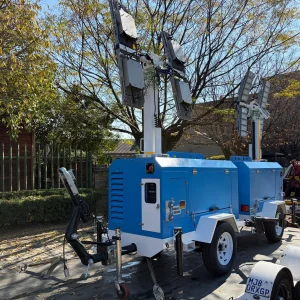
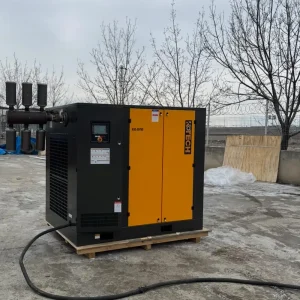
- Logistics & Footprint: Space constraints, transport limitations (e.g., skid-mounted, containerized, trailer-mounted).
- Maintenance & Support: Desired service intervals, local technician availability, spare parts strategy.
Our experience shows that skipping this crucial step invariably leads to downstream problems.
Partnering with the Right Provider
Selecting an air compressor manufacturer or engineering firm with deep experience in oil & gas and mining is paramount. Look for a partner who:
- Understands the unique regulatory landscape.
- Has a proven track record of designing and deploying systems in similar extreme environments.
- Offers comprehensive engineering capabilities, not just assembly.
- Provides robust post-sales support, including parts, service, and technical assistance.
- Can demonstrate a strong commitment to safety and quality.
This isn’t a transactional purchase; it’s a long-term operational partnership.
Lifecycle Support and Maintenance
Even the most robust custom system requires diligent maintenance. A good provider will offer a full lifecycle support package, including:
- Preventative Maintenance Programs: Tailored schedules to maximize uptime and component life.
- Remote Monitoring & Diagnostics: Proactive identification of potential issues before they become critical.
- Spare Parts Management: Ensuring critical spares are available, especially for remote sites.
- Training: Empowering onsite personnel to perform routine checks and basic troubleshooting.
This holistic approach ensures that the significant investment in a custom air compressor solution continues to deliver value throughout its operational lifespan.