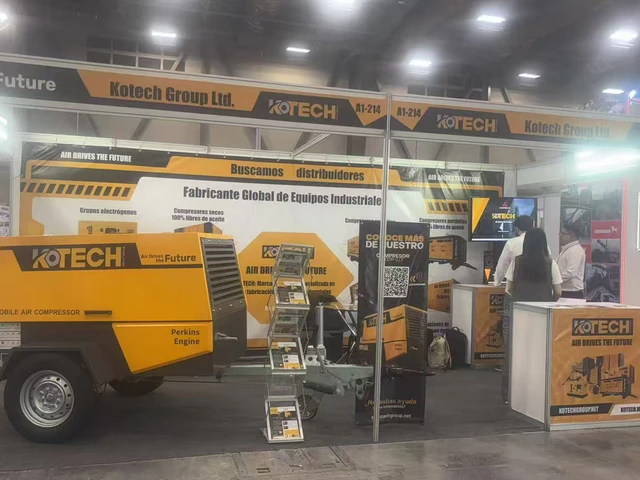
Industrial Air Compressors for Gas Plant & Refinery Applications

In gas plants and refineries, industrial air compressors are more than just equipment; they are the literal breath of life for critical processes. This guide, penned by a veteran with over a decade in the field, dissects the complexities of choosing, operating, and maintaining these vital systems. We address common pain points like unexpected downtime, escalating energy costs, and stringent safety regulations, offering practical, data-driven solutions to ensure maximum reliability and efficiency in hazardous and demanding environments.

Selecting High-Performance Air Compressors for Critical O&G Operations

Key Takeaways

  • Compressor reliability directly impacts safety and multi-million-dollar production in O&G.
  • Energy efficiency (VSDs, advanced centrifugals) significantly reduces operating costs, with potential 20-35% savings.
  • Air quality (oil-free, dry) and hazardous area certification (ATEX/NFPA) are non-negotiable for critical applications.
  • Custom-engineered solutions are often required for specific challenges like sour gas or high-altitude operations.
  • Digitalization and predictive maintenance are transforming compressor management, reducing unplanned downtime.
  • Total Cost of Ownership (TCO) is a more accurate measure than initial purchase price.

Related: Oil & Gas compression solutions · refinery air systems · gas processing compressors · high-pressure air systems · process air reliability · energy-efficient compressors · hazardous area compression · instrument air systems · utility air for petrochemicals

Industrial Air Compressors for Gas Plant & Refinery Applications

For anyone running a gas plant or refinery, the reliability of your industrial air compressors isn’t a luxury; it’s a non-negotiable operational imperative. These aren’t just workhorses; they’re the core of instrument control, process air, and utility functions in environments where failure isn’t an option. Downtime due to compressor issues can cascade into millions in lost revenue, safety hazards, and environmental incidents. Frankly, what many overlook is that a penny saved on an initial compressor purchase can cost a fortune in operational headaches down the line.

Key Insights:

  • Reliability is Paramount: Unscheduled downtime from compressor failure costs the O&G sector billions annually.
  • Efficiency Drives Profit: Energy consumption from compressors can account for 10-30% of a facility’s total electricity bill.
  • Safety & Compliance are Non-Negotiable: ATEX/NFPA compliance and robust air quality are critical in hazardous environments.
  • Predictive Maintenance is Key: Digitalization and IoT are transforming compressor uptime and reducing TCO.
  • Customization is Often Necessary: Standard solutions rarely fit the unique demands of every gas plant or refinery.

The Unseen Backbone: Why Compressor Reliability Isn’t Optional

In the oil and gas sector, particularly within gas plants and refineries, compressed air systems underpin virtually every critical operation. From actuating valves and controlling instruments to nitrogen generation and purging lines, these systems are the silent workhorses. A hiccup in your instrument air supply can bring an entire processing unit to a grinding halt. We’re talking about more than just lost production; the safety implications in a highly volatile environment are immense. It’s not uncommon for a single day of unplanned shutdown in a large refinery to incur losses exceeding $1 million, according to a recent analysis by IHS Markit in 2023, highlighting the severe financial impact of equipment failure.

My experience over a decade has shown me that the true cost of a compressor isn’t its sticker price, but its total cost of ownership (TCO) over its lifespan, heavily influenced by reliability and maintenance. Many facilities still operate with outdated or poorly maintained equipment, leading to constant leaks, inefficient operation, and a heightened risk of failure. This isn’t just about the immediate repair; it’s about the cumulative stress on an entire system and the human resources tied up in reactive maintenance.

Energy consumption is a beast in the O&G industry, and industrial air compressors are significant contributors to that appetite. These machines can account for a substantial portion of a facility’s overall electricity usage. The International Energy Agency (IEA) reported in 2023 that industrial motor-driven systems, which include compressors, consume over 40% of global industrial electricity. For a typical refinery, this translates to potentially millions of dollars annually just to power their compressed air. Optimizing this energy consumption isn’t just good for the planet; it directly impacts the bottom line, especially with fluctuating energy prices.

Investing in variable speed drive (VSD) compressors or advanced centrifugal units, for instance, can yield significant energy savings. These technologies adjust air output to demand, preventing the wasteful “unload” cycles of fixed-speed compressors. We’ve seen clients achieve upwards of 20-35% energy savings by upgrading to VSD technology, a compelling return on investment that often pays for itself within a few years. Considering the long operational life of these assets, those savings compound considerably.

Choosing Wisely: Critical Factors Beyond Price

Selecting the right industrial air compressor for gas plant and refinery applications is a complex equation that goes far beyond the initial purchase price. You need to consider the specific application (instrument air, process air, utility air), the required air quality (oil-free, dry), the operating environment (hazardous area classifications like ATEX or NFPA requirements), and the ambient conditions (temperature, humidity, dust). For instrument air, for example, absolutely oil-free air (ISO 8573-1 Class 0) and ultra-low dew points are non-negotiable to prevent corrosion and fouling of sensitive control valves and instruments.

Moreover, the physical footprint and ease of maintenance play a crucial role. Space is often at a premium in existing facilities. A compact, modular design can simplify installation and future expansion. Serviceability is also key; components that are difficult to access lead to longer maintenance times and higher labor costs. I’ve often advised clients to prioritize suppliers with strong local support and readily available spare parts, as waiting weeks for a critical component during a shutdown is simply unacceptable.

When Standard Won’t Cut It: Specialized Solutions for Unique Challenges

While many industrial facilities can get by with off-the-shelf compressor packages, gas plants and refineries frequently present unique challenges that demand specialized solutions. Take sour gas applications, for example, where H2S can rapidly corrode standard components. Here, you’ll need compressors constructed with specific metallurgy, like stainless steel or specialized coatings, to withstand the aggressive environment. Similarly, in high-altitude locations, standard compressor ratings need significant derating, or you risk insufficient air delivery.

Another common scenario involves explosion-proof requirements. Operating in zones with flammable gases or vapors means every electrical component, every sensor, every motor, must be certified for hazardous locations (e.g., ATEX Zone 1 or Class I, Division 1). This isn’t just about ticking a box; it’s about preventing catastrophic incidents. Relying on a generic industrial compressor in such an environment is not only non-compliant but dangerously irresponsible. Only when the operational environment is non-hazardous and the air quality requirements are less stringent, perhaps for a remote, non-process utility application, might a truly standard, lower-cost unit be considered.

Future-Proofing Your Operations: Embracing Digital & Sustainability

The landscape of industrial compression is rapidly evolving, driven by digitalization and a growing emphasis on sustainability. Modern compressor systems are increasingly integrated with advanced monitoring and control systems, leveraging IoT sensors and cloud-based analytics. This allows for real-time performance tracking, predictive maintenance scheduling, and remote diagnostics. According to a report by MarketsandMarkets in 2024, the global industrial IoT market is projected to reach over $1 trillion by 2030, with a significant portion dedicated to optimizing industrial machinery like compressors.

Predictive maintenance, enabled by these digital tools, can drastically reduce unplanned downtime and optimize maintenance schedules. Instead of reacting to failures or adhering to rigid time-based schedules, maintenance can be performed precisely when needed, extending component life and reducing costs. Furthermore, sustainable practices are gaining traction. This includes exploring waste heat recovery systems, where heat generated by compressors can be captured and reused for other processes, further enhancing energy efficiency and reducing the facility’s carbon footprint. It’s about building resilience and efficiency into your operations for the long haul.

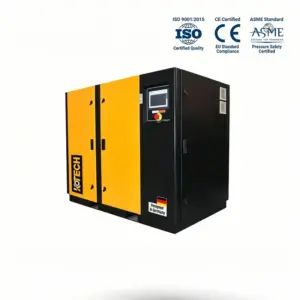
Expert Insights

"Having spent over a decade in the trenches, I can tell you that cutting corners on compressed air systems in a refinery is a false economy. The ripple effect of a single compressor failure, from safety incidents to production halts, far outweighs any upfront savings. Invest in reliability, invest in efficiency, and always prioritize compliance. Your plant's safety record and your bottom line will thank you."

About the Author

· Senior Industrial Air Compressor Product & Operations Consultant @ Kotech

Arvin Hale is a seasoned engineer with over 12 years of hands-on experience in industrial air compressor product design, validation, and operational optimizatio…

Arvin Hale is a seasoned engineer with over 12 years of hands-on experience in industrial air compressor product design, validation, and operational optimization. His expertise spans screw compressors, portable industrial units, and oil-free systems, with a focus on balancing performance, energy efficiency, and reliability for mining, manufacturing, and construction applications. He combines deep technical knowledge with real-world operational insights, helping businesses design and deploy air systems that meet both performance and cost targets.

Related Reading: Portable Air Compressors for Oil & Gas Field Operations

Frequently Asked Questions

What are the most critical factors for selecting an air compressor for a refinery?

The most critical factors include ensuring absolute reliability, achieving specific air quality standards (e.g., oil-free, dry), meeting hazardous area certifications (ATEX/NFPA), optimizing energy efficiency (e.g., VSD technology), and considering the total cost of ownership, including maintenance and spare parts availability.

How can I improve the energy efficiency of my existing compressor system in a gas plant?

Start with an energy audit to identify leaks and inefficiencies. Consider upgrading to variable speed drive (VSD) compressors for fluctuating demand, implementing smart control systems to optimize load distribution, and exploring waste heat recovery solutions. Regular maintenance, including filter changes and leak detection, also significantly impacts efficiency.

What are the risks of using a non-certified compressor in a hazardous refinery environment?

Using a non-certified compressor in a hazardous environment poses severe risks, including potential explosions or fires due to unsealed electrical components igniting flammable gases or vapors. It also leads to non-compliance with stringent safety regulations (e.g., ATEX, NFPA), resulting in heavy fines, operational shutdowns, and severe liability in case of an incident.