
Unlocking Savings: The Imperative of Energy-Efficient Air Compressors in Oil & Gas
For oil and gas operations, the choice of an air compressor system can dramatically impact the bottom line and operational resilience. Frankly, many still view compressed air as a utility, a simple necessity, without fully grasping its profound influence on energy consumption and overall efficiency. The truth is, investing in energy-efficient air compressors is one of the most direct routes to significant operational expenditure (OPEX) reductions and improved uptime in this challenging sector.
The Unseen Cost: Why Energy Efficiency Matters More Than Ever
The oil and gas industry operates on razor-thin margins and faces increasing pressure from global energy prices and environmental regulations.
Rising energy costs directly inflate OPEX, making every kilowatt-hour consumed a critical financial consideration. Beyond the financial aspect, there’s the growing imperative of environmental, social, and governance (ESG) reporting. Companies are under scrutiny to reduce their carbon footprint. An inefficient air compressor system, constantly running at full load regardless of demand, is a significant contributor to unnecessary emissions. Upgrading these assets directly supports ESG goals, demonstrating a commitment to responsible operations.
Advanced Compressor Technologies Driving Savings
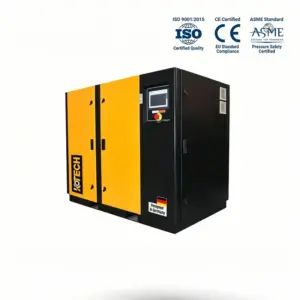
The leap in air compressor technology over the last decade has been remarkable. We’re far beyond the days of simple on/off piston compressors. Today’s market offers sophisticated solutions tailored for demanding industrial applications:
Variable Speed Drive (VSD) Compressors
Unlike traditional fixed-speed compressors that run at full capacity even when demand is low, VSD units adjust their motor speed to match the exact air demand. This eliminates the wasteful “blow-off” or “idle” periods common in conventional systems. For fluctuating load applications typical in many oilfield operations, VSD can deliver dramatic energy savings.
Rotary Screw vs. Centrifugal Compressors
Choosing the right compressor type is also crucial. Rotary screw compressors are versatile, offering reliable performance for a wide range of pressures and flows, often favored for their robust design and ease of maintenance. Centrifugal compressors, on the other hand, excel in high-volume, continuous-demand applications, offering superior efficiency at higher flow rates. Understanding the specific needs of a gas processing plant versus a drilling rig’s intermittent demands is key to selecting the most energy-efficient solution.
Heat Recovery Systems
A significant amount of energy used by a compressor is converted into heat. Modern systems can capture this waste heat and repurpose it for other processes, such as heating water for sanitation, space heating, or even pre-heating process fluids. This secondary use of energy further boosts overall system efficiency and reduces reliance on other heating sources, providing another layer of cost savings.
Beyond Efficiency: Operational Benefits in Harsh Environments
In the challenging, often remote environments of oil and gas operations, reliability and uptime are non-negotiable. An energy-efficient compressor system often translates directly into a more reliable system. Less stress on components due to optimized operation means fewer breakdowns and extended service intervals. This is critical for sites where maintenance crews are expensive to mobilize and downtime can cost millions per day.
Modern compressors are built with robust materials and intelligent controls designed to withstand extreme temperatures, dust, and corrosive elements prevalent in oilfield settings. Furthermore, the integration of Internet of Things (IoT) sensors and remote monitoring capabilities allows operators to track performance in real-time, predict potential issues, and schedule proactive maintenance. This predictive maintenance approach minimizes unexpected downtime and extends the lifespan of critical assets.
The Nuance: When Standard Systems Still Make Sense
While the benefits of energy-efficient compressors are clear, it’s important to acknowledge that they aren’t a universal panacea. There are specific scenarios where the higher initial capital expenditure (CAPEX) of advanced VSD or highly specialized systems may not be justified. In these cases, a well-sized, fixed-speed compressor, perhaps with a smart control system that cycles multiple units efficiently, could offer a better total cost of ownership.
Similarly, for backup systems or very intermittent, low-demand applications, a simpler, less expensive compressor might suffice. The key is a thorough compressed air system audit to understand the precise demand profile, pressure requirements, and operational environment before making any significant investment. Only when the actual usage patterns are understood can the most cost-effective and energy-efficient solution be identified.
Making the Switch: Actionable Steps for Oil & Gas Operators
Transitioning to more energy-efficient compressed air systems requires a strategic approach. Here are actionable steps based on our experience:
- Conduct a Professional Air Audit: This is the first and most critical step. A detailed audit by an experienced professional will map your current air demand, identify leaks, assess existing compressor performance, and pinpoint areas for improvement. It provides the data needed for informed decision-making.
- Perform a Total Cost of Ownership (TCO) Analysis: Look beyond the purchase price. Factor in energy costs, maintenance, spare parts, and potential downtime over the lifespan of the equipment. Often, a higher CAPEX for an efficient unit yields a significantly lower TCO.
- Explore Incentive Programs: Many governments and utility companies offer rebates or tax incentives for investing in energy-efficient industrial equipment. These programs can substantially offset the initial investment. In Texas, for example, utility incentive programs in 2024 offer significant rebates for industrial energy efficiency upgrades, including VSD compressors.
- Prioritize System Integration and Controls: A single, efficient compressor is good, but an optimized system with intelligent controls managing multiple compressors, dryers, and filtration units is even better. This ensures the entire compressed air network operates at peak efficiency.
- Partner with Experienced Vendors: Choose suppliers who understand the unique demands of the oil and gas industry and can provide comprehensive support, from system design and installation to ongoing maintenance and remote monitoring.
In our experience, operators who embrace these modern solutions not only see their energy bills shrink but also experience enhanced operational reliability and a stronger position in the evolving energy landscape. The upfront investment in modern, energy-efficient air compressors is not an expense; it’s a strategic investment in the future of your oil and gas operations.