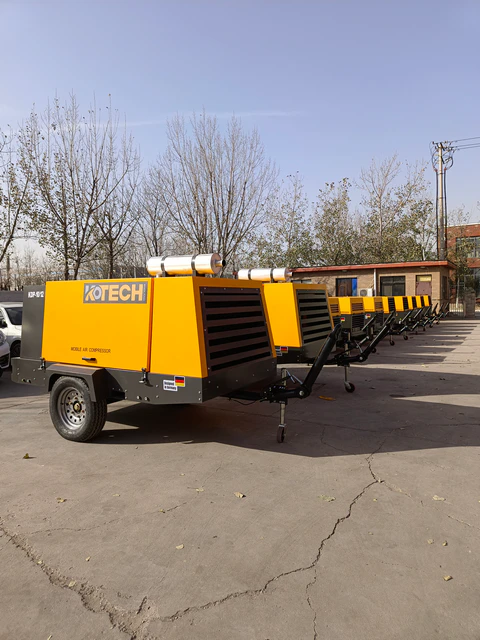
Unlocking Uptime: Rugged Air Compressors for Extreme Conditions
The Imperative for Unyielding Performance in Extreme Environments
In the unforgiving landscapes of oilfields and mining operations, air compressors aren’t just tools; they’re the lifeblood of critical processes. From powering pneumatic drills and ventilation systems to supporting wellhead operations and heavy machinery, a reliable air supply dictates productivity and safety. Frankly, relying on anything less than a purpose-built, rugged air compressor solution in these environments is a recipe for disaster. The dust, extreme temperatures, corrosive elements, and remote locations demand equipment that’s designed to withstand constant abuse, not just occasional stress.
The Staggering Costs of Compromise: Data Driving Demand
The financial stakes in oilfield and mining tasks are monumental, and equipment reliability directly impacts the bottom line. Consider the sheer cost of failure. Moreover, the human cost of equipment failure in these high-risk environments is undeniable.
Engineering for Extremes: Why Standard Compressors Fail
Standard industrial air compressors, while perfectly adequate for factory floors or less demanding applications, simply aren’t built for the rigors of oilfield and mining tasks. The environmental stressors are relentless: abrasive dust and grit that infiltrate seals and bearings, corrosive gases and chemicals that degrade components, and extreme temperature swings that challenge lubricants and materials. Then there’s the physical shock and vibration from heavy machinery and constant movement. A typical unit will quickly succumb to these conditions, leading to frequent breakdowns, excessive maintenance, and premature failure. Rugged solutions, on the other hand, incorporate specialized design features. We’re talking about heavy-duty filtration systems that block even fine particulate matter, corrosion-resistant materials and coatings, robust chassis designs that absorb shock, and cooling systems capable of operating efficiently in scorching heat or freezing cold.
When “Good Enough” Isn’t: Scenarios Where Standard Units Fall Short
It’s tempting to try and adapt a standard compressor, perhaps with some aftermarket modifications, to save on upfront costs. Standard units, even with added enclosures or filters, typically lack the fundamental structural integrity and component quality required. For instance, a standard electric compressor might work in a well-maintained, climate-controlled workshop. But deploy it on a remote drilling rig in the Permian Basin, where temperatures hit 110°F and dust storms are common, and you’ll be looking at seized bearings, clogged filters, and overheated motors within weeks. Similarly, a non-ATEX compliant compressor in an explosive atmosphere like a methane-rich coal mine or a petrochemical processing plant isn’t just inefficient; it’s a catastrophic safety hazard. These are not scenarios where “good enough” is an option. The boundary condition is clear: if your operational environment involves high dust, extreme temperatures, corrosive agents, continuous heavy load, or explosive atmospheres, a standard compressor is fundamentally unsuitable. Only purpose-built, certified rugged units can reliably meet these demands.
Deploying the Right Solution: Practical Considerations for Acquisition & Maintenance
Selecting and maintaining rugged air compressors for oilfield and mining tasks requires a strategic approach beyond just horsepower. It’s about optimizing for uptime, safety, and long-term cost-effectiveness.
Key Features to Prioritize
- Environmental Protection: Look for IP ratings (e.g., IP65 for dust and water ingress), heavy-duty enclosures, and robust filtration systems (multi-stage air filters, oil separators).
- Temperature Resilience: Ensure the unit is rated for your specific ambient temperature range, with appropriate cooling systems for high heat and cold-weather starting kits for sub-zero conditions.
- Corrosion Resistance: Components should be made from or coated with materials resistant to common corrosive agents found on site (e.g., H2S, salt spray).
- Vibration and Shock Resistance: A heavy-duty frame, anti-vibration mounts, and robust internal component bracing are essential.
- Safety Certifications: This is non-negotiable. For explosive atmospheres, ATEX (Europe) or Class 1 Div 2 (North America) compliance is critical. For mining, MSHA approval is mandatory. Ensure all electrical components, controls, and exhaust systems meet these standards.
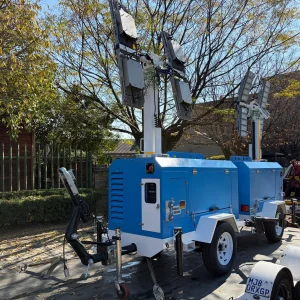
- Mobility and Portability: Many oilfield and mining operations require equipment to be moved frequently. Skid-mounted, trailer-mounted, or containerized solutions with integrated fuel tanks and generators offer critical flexibility.
- Remote Monitoring & Diagnostics: Telemetry systems allow operators to monitor performance, predict maintenance needs, and troubleshoot issues from a central location, reducing the need for costly field visits.
Maintenance Strategies for Maximum Uptime
Even the toughest compressors need smart maintenance. Developing a proactive, preventive maintenance schedule is paramount. This includes regular checks of air filters, oil levels and quality, belt tension, and fluid leaks. For remote sites, a “set it and forget it” mentality is a guarantee of failure. Instead, leverage predictive maintenance technologies. Sensors monitoring vibration, temperature, pressure, and oil quality can alert teams to potential issues before they escalate into costly breakdowns. For example, having spare air filters and oil change kits readily available can prevent minor issues from becoming major delays.
The TCO Advantage of Rugged Systems
While the initial purchase price of a rugged air compressor might be higher than a standard unit, its Total Cost of Ownership (TCO) is almost always lower in demanding applications. This isn’t just anecdotal; it’s a measurable reality. Reduced downtime means higher productivity and fewer lost revenue hours. Lower maintenance frequency and less catastrophic failures translate to significant savings on parts, labor, and emergency repairs. Longer operational lifespan means fewer replacement cycles. When you factor in the avoided costs of safety incidents and regulatory fines, the economic argument for purpose-built rugged solutions becomes overwhelmingly clear.