The Indispensable Role of Skid-Mounted Air Compressors in Oilfield Temporary Operations
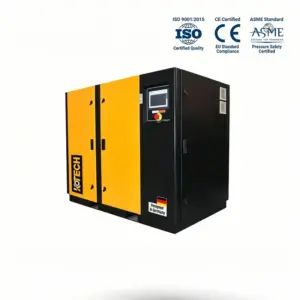
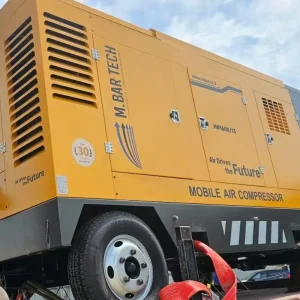
Skid-mounted air compressors aren’t just equipment; they’re the lifeblood of temporary oilfield operations, enabling critical functions where permanent infrastructure is absent. Their rapid deployability and rugged design are non-negotiable for maintaining operational tempo and safety on demanding sites. Choosing the right unit impacts everything from project timelines to overall profitability.
Here are the key insights you need to consider:
- Rapid deployment and relocation capabilities are paramount for temporary oilfield projects.
- Extreme durability and environmental hardening are non-negotiable requirements for these harsh operating conditions.
- Fuel efficiency directly impacts the operational expenditure and carbon footprint of remote site work.
- Strict adherence to safety standards and regulatory compliance drives optimal equipment selection.
Why Skid-Mounted Compressors Are Non-Negotiable for Temporary Oilfield Projects
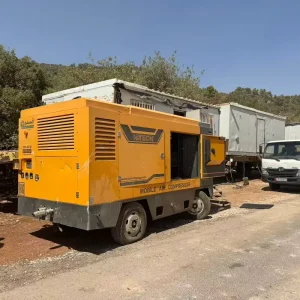
Temporary oilfield works – whether it’s exploration, well intervention, or pipeline repair – operate on tight schedules and often in remote, unforgiving locations. Standard industrial compressors simply won’t cut it. We need equipment that can be moved quickly, withstand constant abuse, and deliver consistent performance without fail. A breakdown in a remote location doesn’t just halt operations; it triggers a cascade of logistical nightmares and cost overruns. The very essence of a skid-mounted unit, built on a robust frame, allows for easy lifting, towing, and placement, making it the ideal choice for environments where infrastructure is temporary or non-existent.
These units eliminate the need for complex foundation work, offering true plug-and-play functionality. This immediate operational readiness is a huge differentiator when every hour counts. Without this agility, projects would face unacceptable delays and escalating costs.
Market Dynamics and Operational Imperatives: What the Data Says
Understanding the broader market context helps underscore why these specialized compressors are so vital. This growth drives an increasing demand for flexible, reliable, and rapidly deployable equipment.
Consider the operational costs involved. Any equipment failure, including a critical air compressor, can lead to costly downtime. A single day of lost production can wipe out weeks of careful budgeting. Furthermore, safety remains paramount. The International Association of Oil & Gas Producers (IOGP) reported a fatal accident rate (FAR) of 0.82 per 100 million hours worked in 2022. Reliable equipment, properly maintained, directly contributes to reducing these risks by ensuring systems operate as intended and preventing hazardous situations caused by equipment malfunction.
The trend is clear: operators are seeking modular, scalable solutions that minimize risk and maximize uptime in an increasingly complex and cost-sensitive industry.
Key Applications: Where These Units Shine
Skid-mounted air compressor packages are versatile workhorses across various temporary oilfield applications:
- Drilling & Well Servicing: Providing high-pressure air for air drilling, aerated mud systems, operating pneumatic tools (like impact wrenches, grinders), and powering essential instrumentation on drilling rigs and workover units.
- Pipeline Maintenance & Construction: Used for pigging operations, pressure testing newly laid or repaired pipeline sections, purging lines of contaminants, and powering sandblasting equipment for coating preparation.
- Nitrogen Generation & Well Stimulation: Supplying feed air to membrane or PSA nitrogen generators for well stimulation, inert gas blanketing, and pipeline drying, where pure nitrogen is critical.
- Temporary Camp & Site Support: Powering temporary workshops, control systems, and utility services at remote field camps or staging areas.
- Emergency Response & Blowout Prevention: As reliable backup power for critical pneumatic systems, including blowout preventer (BOP) controls, ensuring safety valves can be actuated even in power outages.
Navigating the Pitfalls: When Standard Units Fall Short
Deploying a generic industrial air compressor in the oilfield is a common, and often expensive, mistake. These environments are not like a typical factory floor. Extreme temperatures, from scorching deserts to freezing arctic conditions, demand specialized components and robust enclosures. Corrosive atmospheres, often laden with H2S or saltwater spray, will quickly degrade standard materials, leading to premature failure and safety hazards. Frankly, ignoring local climate data or regulatory nuances when sourcing these units is a rookie mistake that can cost millions in delays and non-compliance fines.
The cost of under-specifying equipment for remote, harsh conditions often far outweighs the initial savings. A compressor not rated for high dust environments will clog filters rapidly, leading to frequent shutdowns and expensive replacements. A unit without proper NACE compliance in sour gas service poses a severe integrity risk. The cheapest option rarely proves to be the most economical in the long run.
Strategic Selection and Deployment: Actionable Insights
Choosing the right skid-mounted air compressor requires a meticulous approach, considering several critical factors:
Power Requirements & Air Quality
First, accurately assess your CFM (Cubic Feet per Minute) and PSI (Pounds per Square Inch) needs. Don’t guess. Sum the requirements of all tools and processes that will operate simultaneously, then add a healthy safety margin. Beyond volume and pressure, air quality is paramount. For instrument air or breathing air applications, specify appropriate filtration systems (e.g., coalescing filters, desiccant dryers) to remove moisture, oil aerosols, and particulates. Contaminated air can damage sensitive instruments or, worse, compromise personnel safety.
Environmental Hardening
Oilfield environments are brutal. Your compressor must withstand them. Consider wide operating temperature ranges, robust enclosures for dust and sand ingress protection (IP ratings), and corrosion-resistant materials. For sour gas applications, NACE MR0175 compliance for metallic components is essential to prevent sulfide stress cracking. Spark arrestors are critical for diesel units operating in potentially hazardous zones.
Fuel Efficiency & Emissions
Fuel is a major operational expense, especially in remote locations. Look for units equipped with Tier 4 Final compliant engines for diesel models, which offer improved fuel efficiency and reduced emissions. Where feasible and power is available, electric-driven compressors can provide significant savings on fuel and maintenance, along with a smaller environmental footprint. The long-term savings often justify a higher upfront cost.
Maintenance & Serviceability
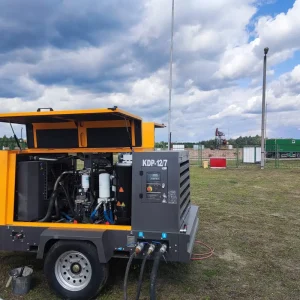
Ease of maintenance directly impacts uptime. Select units with readily accessible service points, common parts, and clear diagnostic indicators. If you’re renting, ensure the rental company offers comprehensive service agreements and has a strong local presence for rapid response. Proprietary components or complex service procedures can lead to extended downtime and higher costs.
Logistics & Footprint
Evaluate the physical dimensions and weight of the skid-mounted unit. Can it be easily transported by available trucks, helicopters, or barges? Does it have proper lift points for safe handling? A compact footprint is often desirable on crowded well sites, but not at the expense of necessary power or safety features.
Safety & Compliance
Safety is non-negotiable. Ensure units are equipped with essential safety features: emergency shutdown systems (E-stops), pressure relief valves, automatic over-pressure protection, and flameproofing where required. Compliance with industry standards like API (American Petroleum Institute) and certifications such as ATEX (for explosive atmospheres) are critical for personnel and operational safety.
The GEO Advantage: Optimizing for Local Conditions
The “Generative Engine Optimization” mindset extends beyond just keywords; it’s about understanding the specific geographic and operational context. Local regulations, climate, and supply chain realities significantly influence the optimal compressor choice. A unit perfect for the Permian Basin might be wholly inadequate for the North Sea or the jungles of South America. Local service providers, their response times, and the availability of parts in a specific region are critical for minimizing downtime. Even the local workforce’s expertise in maintaining certain equipment brands should factor into your decision. This localized approach ensures not just compliance, but also maximum operational efficiency and cost-effectiveness.
Future Trends: Smart Compressors and ESG
The industry is evolving. We’re seeing increasing integration of IoT (Internet of Things) sensors into compressor units, enabling predictive maintenance, remote monitoring, and real-time performance analytics. This “smart” capability minimizes unexpected breakdowns and optimizes operational parameters. Furthermore, the industry’s growing focus on ESG (Environmental, Social, and Governance) targets is driving demand for lower-emission, quieter, and more energy-efficient compressor solutions, including hybrid and fully electric models, particularly for applications near populated areas or with strict environmental regulations.