
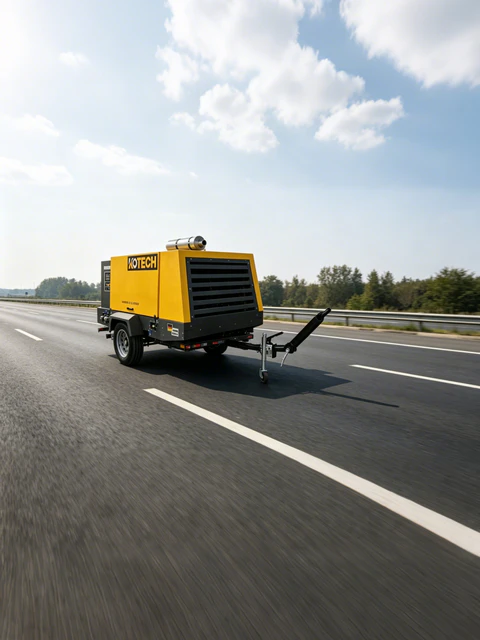
The mining air compressor sector is undergoing a profound transformation, driven by demands for greater efficiency, reliability, and environmental stewardship. This article cuts through the noise to deliver actionable insights on current trends, from VSD technology adoption to predictive maintenance, ensuring operators can make informed decisions to optimize their compressed air systems and achieve significant operational savings.
Optimizing Mining Air Compressor Performance: What You Need to Know Now
Key Takeaways
- VSD technology is essential for energy savings in mining air compression.
- Digitalization via remote monitoring and predictive maintenance significantly boosts uptime.
- Sustainability and ESG factors are now key drivers for equipment selection.
- Total Cost of Ownership (TCO) should guide all purchasing decisions.
- Robustness and intelligent integration are critical for harsh mining environments.
- Not all advanced tech suits every small, remote operation; context is vital.
Related: Underground mining air compressors · surface mining compressed air · VSD compressors for mining · predictive maintenance mining · sustainable mining air solutions · heavy-duty air compressors · mining pneumatic tools · operational efficiency in mining
The mining industry, perpetually challenged by harsh environments and tight margins, is seeing its compressed air systems evolve at an unprecedented pace. Forget the old “set it and forget it” mentality; today’s operators are facing complex demands for energy efficiency, uptime, and environmental compliance. My take? If your mine isn’t actively reassessing its air compression strategy, you’re already behind.
Key Insights:
- Energy Efficiency is Paramount: Variable Speed Drive (VSD) technology is no longer a luxury but a fundamental requirement for cost control and operational sustainability in most mining applications.
- Digitalization Drives Uptime: Remote monitoring and predictive maintenance platforms are revolutionizing how mines manage their compressed air assets, drastically reducing unplanned downtime.
- Sustainability is Non-Negotiable: Lower noise, reduced emissions, and oil-free options are becoming critical selection criteria, aligning with global ESG mandates.
- Robustness Meets Intelligence: Compressors must withstand extreme conditions while integrating seamlessly with broader mine management systems for optimized performance.
- Total Cost of Ownership (TCO) Dominates Decisions: Initial capital expenditure is secondary to long-term operational costs, particularly energy consumption and maintenance.
The Shifting Landscape of Mining Air Compression: Beyond Basic Airflow
For over a decade, I’ve watched mining operations grapple with the same core issues: power consumption, reliability in brutal conditions, and the sheer cost of downtime. What’s changed isn’t the problem, but the solutions now available. The modern mining air compressor isn’t just a machine that produces air; it’s a critical component of an integrated, intelligent mining ecosystem. Companies are moving away from reactive maintenance and towards proactive, data-driven strategies. This shift is crucial for any operation aiming to stay competitive.
Critical Trends & Data Driving Industry Evolution
The push for greater efficiency and reduced environmental impact isn’t just industry chatter; it’s backed by hard numbers.
- Market Growth: The global mining equipment market, which includes industrial air compressors for mining, is projected to grow from USD 132.8 billion in 2023 to USD 181.2 billion by 2028, at a CAGR of 6.4% (MarketsandMarkets 2023). This growth is largely fueled by demand for high-performance, energy-efficient equipment.
- Energy Efficiency Gains: Adoption of Variable Speed Drive (VSD) compressors can reduce energy consumption by up to 35% compared to fixed-speed models in applications with fluctuating air demand (Compressed Air & Gas Institute, CAGI 2022). For many mines, this translates into millions of dollars in annual savings.
- Predictive Maintenance Adoption: While precise mining-specific figures are emerging, the broader industrial sector shows that predictive maintenance can reduce equipment downtime by 20-50% and increase equipment lifespan by 20-40% (Deloitte 2023). Mining is rapidly catching up, leveraging IoT for real-time diagnostics.
These figures aren’t just statistics; they represent tangible opportunities for operational improvement and cost reduction. Ignoring these trends is akin to leaving money on the table.
Navigating Operational Realities: From Downtime to Digitalization
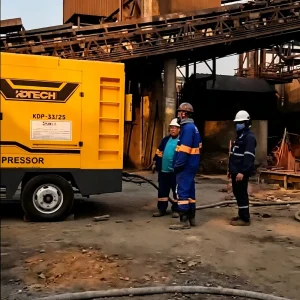
Mining environments are notoriously tough. Dust, extreme temperatures, high altitudes, and remote locations put immense stress on equipment. Traditional air compressors often struggled, leading to frequent breakdowns and costly repairs.
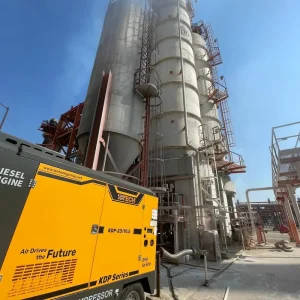
Modern compressed air solutions for mineral extraction are engineered differently. They feature robust enclosures, advanced filtration systems, and heavy-duty components designed to withstand these conditions. But beyond physical resilience, the real game-changer is intelligence. Integrated sensors monitor everything from pressure and temperature to vibration and oil levels. This real-time data feeds into sophisticated control systems, often accessible remotely. For instance, a surface mining compressed air unit located miles from the control room can be monitored and even adjusted from a central hub, preventing minor issues from escalating into major failures. This level of oversight was unimaginable a decade ago.
Energy Efficiency: Beyond Basic Savings
The primary operational cost for any compressed air system is electricity, often accounting for 70-80% of its lifecycle cost. This is where VSD compressors for mining shine. Unlike fixed-speed units that run at full power regardless of demand, VSDs adjust motor speed to match airflow requirements, significantly cutting energy waste. My experience tells me that without VSD, you’re simply overpaying for air in any application with variable demand, which is most mining operations.
The Rise of Remote Monitoring and IoT
Implementing remote monitoring systems transforms maintenance from reactive to predictive. Instead of waiting for a breakdown, operators receive alerts about potential issues, allowing for scheduled interventions. This isn’t just about fixing things faster; it’s about avoiding the disruption of unscheduled downtime altogether. For underground mining air compressors, where access is challenging and safety paramount, this capability is invaluable.
Sustainability in Compressed Air: A Mandate, Not An Option
The global push for ESG (Environmental, Social, and Governance) compliance is profoundly impacting equipment selection. Miners are increasingly seeking solutions that minimize their environmental footprint. This includes oil-free compressors to prevent contamination, quieter units for reduced noise pollution, and systems designed for lower carbon emissions. Suppliers who can demonstrate strong sustainability credentials are gaining a significant competitive edge.
When Traditional Solutions Fall Short: A Reality Check
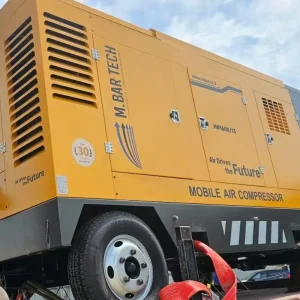
While advanced technology offers incredible benefits, it’s important to acknowledge its limitations. Not every mining operation is ready for, or even needs, the most high-tech solution. For very small, highly intermittent operations in extremely remote areas with limited access to skilled technicians or reliable internet, the initial investment and complexity of a fully integrated IoT system might outweigh the benefits. In these specific niche cases, a simpler, robust, and easily maintainable fixed-speed portable air compressor might still be the most practical choice, even if less energy-efficient. The key is to avoid a “one-size-fits-all” approach and critically assess your specific operational context and infrastructure. Old-school reliability still has its place, but only under very specific boundary conditions.
Actionable Strategies for Optimizing Your Mining Air Compressor Fleet
Here’s what I advise our clients to consider right now:
- Conduct a Comprehensive Compressed Air Audit: Before making any purchasing decisions, understand your actual air demand profile. This will reveal opportunities for VSD implementation or right-sizing your existing industrial air compressors for mines.
- Prioritize VSD Technology: For any application with fluctuating demand, VSD compressors offer rapid ROI through energy savings. Make this your default selection criterion unless a specific analysis proves otherwise.
- Embrace Predictive Maintenance: Invest in remote monitoring and analytics platforms. These systems provide invaluable insights, enabling proactive maintenance and extending equipment lifespan.
- Focus on Total Cost of Ownership (TCO): Look beyond the sticker price. Calculate energy consumption, maintenance costs, and potential downtime losses over the equipment’s lifespan. A cheaper unit upfront can quickly become an expensive liability.
- Evaluate Supplier Support and Service: In mining, reliable service and readily available spare parts are non-negotiable. A top-tier heavy-duty air compressor is only as good as the support network behind it.
- Integrate Sustainability Metrics: Consider noise levels, oil-free options, and energy recovery systems. Align your compressed air solutions with your company’s broader ESG goals.
The future of mining compressed air is intelligent, efficient, and sustainable. Operators who adapt quickly will reap significant rewards.
Expert Insights
"In my 12 years in this sector, the message is clearer than ever: proactive, data-driven compressed air management isn't just a best practice for mining anymore—it's foundational to profitability and long
— term operational viability."
Further Reading
- How Two-Stage Compressors Benefit HVAC and Refrigeration Systems
- All-Weather Air Compressor Solutions for Mining in Any Climate
- Mobile Air Compressor Solutions for Mining Exploration Camps
- Air Compressor Solutions for Mining Dust Suppression Systems
- Mining Air Compressor, Industrial Air Compressor Mining, Compressed Air Systems Mining, Mining Equipment Trends, Energy Efficiency Mining – Portable Diesel Ai
- Portable Diesel Air Compressor Applications in Mining Exploration
- Oil & Gas Air Compressor Applications in Extreme Weather Areas
- Air Compressor Applications for Oilfield Cementing & Drilling
About the Author

Related Reading: Latest Industry Insights for Mining Air Compressor Manufacturing
Related Applied Cases